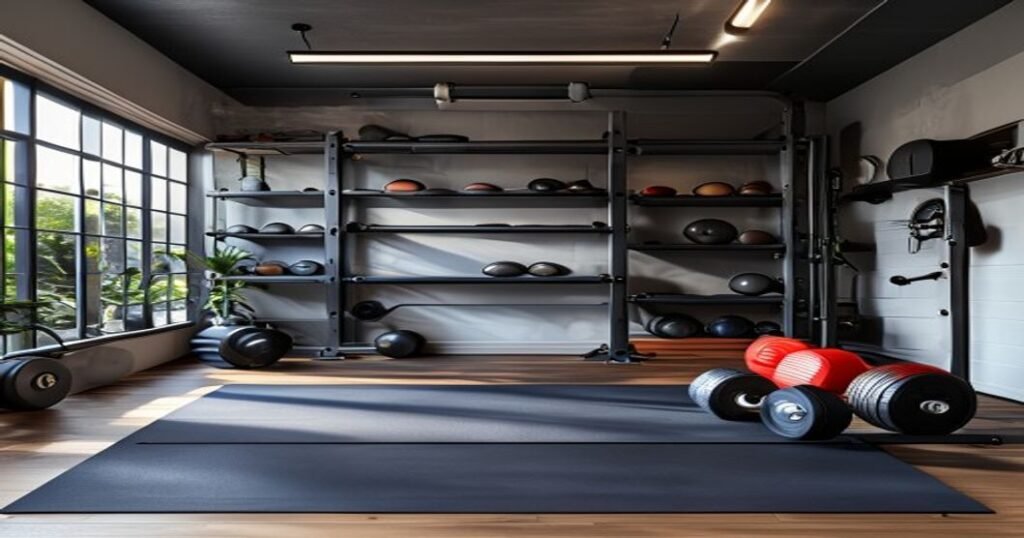
How to Build a Garage Gym — Flooring, Racks and Must-Have Equipment
This comprehensive guide is designed for fitness enthusiasts in the US who are building or optimizing a home or garage gym. Whether you’re a beginner or an experienced lifter, this article will walk you through the essential steps to create a functional and efficient workout space.
Building a garage gym can be a cost-effective and convenient way to stay fit and healthy, without the need for a commercial gym membership. With the right equipment and setup, you can create a personalized workout space that meets your specific needs and goals.
What You Need
🏠 Recommended Products
Shop the best How to Build a Garage Gym — vetted by our experts.
Shop Home Gym Equipment on Amazon →
As an Amazon Associate, we earn from qualifying purchases.
To build a well-equipped garage gym, you’ll need to invest in some essential equipment. Here’s a prioritized list of must-have items, along with their approximate prices:
- Power Rack: Rogue R-3 Power Rack ($595) or Titan T-2 Power Rack ($495)
- Olympic Weight Set: REP Fitness 300lb Olympic Weight Set ($395) or Rogue Olympic Weight Set ($495)
- Barbell: Rogue Ohio Bar ($295) or REP Fitness Sabre Bar ($245)
- Flooring: Rubber Flooring Inc 3/8″ Thick Rubber Flooring ($1.95/sqft) or Horse Stall Mats ($2.50/sqft)
- Bench: REP Fitness FB-3000 Flat Bench ($195) or Rogue Flat Bench ($245)
- Pull-Up Bar: Rogue P-3 Pull-Up Bar ($125) or Titan Pull-Up Bar ($95)
- Kettlebells: REP Fitness Kettlebell Set ($195) or Rogue Kettlebell Set ($245)
- Jump Rope: Rogue Jump Rope ($15) or REP Fitness Jump Rope ($10)
These prices are approximate and may vary depending on the vendor, shipping, and other factors.
Step-by-Step Setup
Here’s a step-by-step guide to setting up your garage gym:
- Clear the Space: Start by clearing the garage of any clutter, furniture, or other obstacles. This will give you a clean slate to work with.
- Measure the Space: Take precise measurements of the garage, including the length, width, and any obstacles such as windows, doors, or support beams.
- Plan the Layout: Use a floor plan software or graph paper to create a detailed layout of your gym. Consider the placement of each piece of equipment, as well as any electrical outlets, lighting, or ventilation.
- Install Flooring: Choose a durable and shock-absorbing flooring material, such as rubber or horse stall mats. Install the flooring according to the manufacturer’s instructions, ensuring a smooth and even surface.
- Assemble the Power Rack: Follow the manufacturer’s instructions to assemble the power rack, ensuring that it is stable and secure.
- Install the Pull-Up Bar: Attach the pull-up bar to the power rack or a sturdy beam, ensuring that it is securely fastened and can support your weight.
- Add the Bench and Weights: Place the bench in a convenient location, and add the Olympic weight set, barbell, and kettlebells to the rack or surrounding area.
- Final Check: Double-check that all equipment is securely fastened and in good working condition, and that the gym is well-ventilated and well-lit.
Space and Layout Tips
When planning the layout of your garage gym, consider the following tips:
- Leave enough space between equipment: Ensure that there is sufficient space between each piece of equipment to allow for comfortable movement and exercise.
- Consider the “workout zone”: Designate a specific area for each type of exercise, such as a squat rack or bench press area.
- Utilize vertical space: Make use of wall-mounted equipment, such as pull-up bars or storage racks, to maximize the use of space.
- Incorporate a “warm-up zone”: Add a space for cardio equipment, such as a treadmill or jump rope, to warm up before workouts.
A typical garage gym layout might include the following dimensions:
- Power rack area: 8′ x 8′ (64 sqft)
- Bench press area: 6′ x 6′ (36 sqft)
- Pull-up bar area: 4′ x 4′ (16 sqft)
- Cardio area: 6′ x 6′ (36 sqft)
Budget Breakdown
Here’s a rough estimate of the costs involved in building a garage gym:
| Category | Cost |
|---|---|
| Power Rack | $595 – $795 |
| Olympic Weight Set | $395 – $595 |
| Barbell | $245 – $395 |
| Flooring | $300 – $600 |
| Bench | $195 – $295 |
| Pull-Up Bar | $95 – $195 |
| Kettlebells | $195 – $295 |
| Jump Rope | $10 – $30 |
| Total | $2,220 – $3,620 |
These costs are approximate and may vary depending on the specific equipment and vendors chosen.
Common Mistakes
When building a garage gym, it’s easy to make mistakes that can compromise the safety and effectiveness of your workout space. Here are some common mistakes to avoid:
- Insufficient flooring: Failing to install adequate flooring can lead to damage to the garage floor and surrounding equipment.
- Incorrect power rack assembly: Failing to follow the manufacturer’s instructions can result in an unstable power rack that can collapse or cause injury.
- Inadequate lighting: Insufficient lighting can make it difficult to see and perform exercises safely.
- Poor ventilation: Failing to provide adequate ventilation can lead to a buildup of heat and moisture, making the gym uncomfortable and potentially hazardous.
- Overcrowding: Packing too much equipment into a small space can create a cluttered and hazardous environment.
- Ignoring safety protocols: Failing to establish and follow safety protocols, such as warming up and cooling down, can increase the risk of injury.
FAQ
What is the minimum space required for a garage gym?
The minimum space required for a garage gym will depend on the specific equipment and layout. However, a typical garage gym can fit in a space as small as 10′ x 10′ (100 sqft), although a larger space is recommended for comfort and safety.
Can I use a garage gym for cardio workouts?
Yes, a garage gym can be used for cardio workouts, such as jump rope, burpees, or running in place. However, it’s recommended to incorporate dedicated cardio equipment, such as a treadmill or stationary bike, for more intense and focused cardio workouts.
How do I maintain and clean my garage gym?
Regular maintenance and cleaning of your garage gym is essential to ensure a safe and healthy workout environment. This includes wiping down equipment, sweeping and mopping the floor, and checking for any signs of wear or damage.
Final Setup Checklist
Before starting your first workout in your new garage gym, make sure to complete the following checklist:
- Confirm all equipment is securely fastened and in good working condition
- Check the flooring for any signs of damage or wear
- Ensure adequate lighting and ventilation
- Establish safety protocols, such as warming up and cooling down
- Test all equipment to ensure it is functioning properly
- Take a final walk-through to ensure the gym is safe and ready for use
By following these steps and tips, you can create a safe, effective, and enjoyable garage gym that meets your specific needs and goals.
🏠 Recommended Products
Shop the best How to Build a Garage Gym — vetted by our experts.
Shop Home Gym Equipment on Amazon →
As an Amazon Associate, we earn from qualifying purchases.
Related Guides & Reviews
- Build Your Dream Home Gym The Complete 2026 Setup Guide For Every Budget
- Battle Ropes Home Gym Setup Training Guide
- Small Space Home Gym
- Home Gym Under 1000
- Best Inversion Tables For Back Pain Budget To Premium