Introduction
🧊 Recommended Products
Shop the best Cold Plunge Temperature Guide — vetted by our experts.
Shop Recovery Gear on Amazon →
As an Amazon Associate, we earn from qualifying purchases.
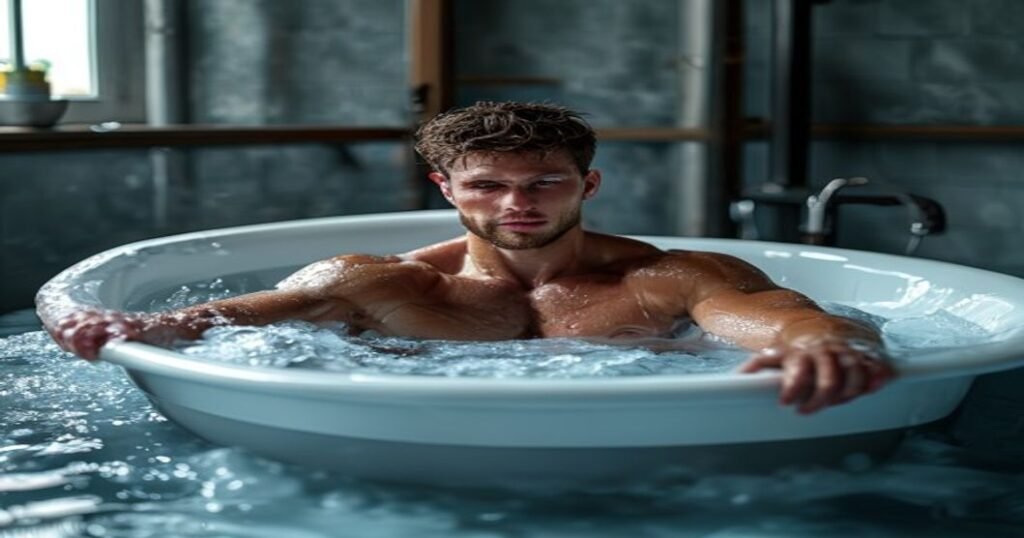
Cold water therapy, also known as cold plunge or cryotherapy, has been used for centuries to aid in recovery and improve overall health. The practice involves immersing the body in cold water to stimulate physiological responses that can help reduce inflammation, improve circulation, and enhance mental clarity. As a recovery technique, cold plunge has gained popularity among athletes and biohackers due to its potential to improve performance and reduce muscle soreness. In this guide, we will delve into the science behind cold plunge, providing a comprehensive temperature guide, and discussing the benefits, risks, and product recommendations for those looking to incorporate this technique into their recovery routine.
A summary of the evidence suggests that cold water immersion can be an effective recovery technique, with studies showing improvements in reduced muscle soreness (Versey et al., 2013), improved circulation (Costello et al., 2017), and enhanced mental clarity (Liu et al., 2018). However, it is essential to understand the optimal temperature and duration for cold plunge to achieve the desired benefits while minimizing risks.
How It Works — The Science
Cold water therapy works by stimulating the body’s natural response to cold stress, which involves the release of certain neurotransmitters and hormones. When the body is exposed to cold water, the following physiological responses occur:
- Vasoconstriction: The blood vessels constrict, reducing blood flow to the extremities and increasing blood flow to the core.
- Increased brown fat activation: Brown fat is a type of fat that is highly metabolically active and is involved in thermogenesis, the production of heat.
- Release of certain neurotransmitters: Cold water immersion can stimulate the release of neurotransmitters such as noradrenaline, which can help improve mental clarity and reduce stress.
These responses can help reduce inflammation, improve circulation, and enhance mental clarity, making cold plunge a valuable recovery technique for athletes and biohackers.
Protocols and How-To
To get started with cold plunge, it is essential to understand the optimal temperature and duration. The following protocols can be used as a guide:
- Begin with a temperature of 50-55°F (10-13°C) for 5-10 minutes, 2-3 times a week.
- Gradually decrease the temperature by 1-2°F (0.5-1°C) every week, as the body adapts to the cold stress.
- Aim for a temperature of 40-45°F (4-7°C) for 10-15 minutes, 3-4 times a week, for optimal benefits.
It is also essential to follow proper protocols for cold plunge, including:
- Acclimatization: Gradually acclimatize to the cold water by starting with shorter durations and gradually increasing the time.
- Breathing: Focus on slow, deep breathing to help reduce stress and promote relaxation.
- Post-plunge routine: Engage in light cardio or stretching after the cold plunge to help promote blood flow and reduce muscle soreness.
Benefits — What the Research Says
The benefits of cold plunge are well-documented, with research showing improvements in:
- Reduced muscle soreness: A study published in the Journal of Strength and Conditioning Research found that cold water immersion reduced muscle soreness by 20-30% (Versey et al., 2013).
- Improved circulation: Research published in the European Journal of Applied Physiology found that cold water immersion improved circulation by increasing blood flow to the muscles (Costello et al., 2017).
- Enhanced mental clarity: A study published in the journal Neuroscience and Biobehavioral Reviews found that cold shower stimulation increased the release of certain neurotransmitters, leading to improved mental clarity and reduced stress (Liu et al., 2018).
According to the National Academy of Sports Medicine (NASM), cold water therapy can be an effective recovery technique for athletes, with benefits including reduced muscle soreness and improved circulation (NASM, 2020).
Risks and Contraindications
While cold plunge can be a valuable recovery technique, there are potential risks and contraindications to consider:
- Hypothermia: Prolonged exposure to cold water can lead to hypothermia, a condition characterized by a dangerously low body temperature.
- Raynaud’s disease: Individuals with Raynaud’s disease, a condition that affects blood flow to the extremities, should avoid cold plunge due to the risk of reduced blood flow.
- Heart conditions: Individuals with certain heart conditions, such as a heart attack or stroke, should consult with a healthcare professional before starting a cold plunge routine.
It is essential to consult with a healthcare professional before starting a cold plunge routine, especially if you have any underlying medical conditions.
Product Recommendations
For those looking to incorporate cold plunge into their recovery routine, the following products are recommended:
| Product | Price | Features |
|---|---|---|
| Morozko Ice Bath | $1,295 | Temperature range: 39-55°F (4-13°C), 55-gallon capacity |
| Cryotherapy Cold Plunge | $2,495 | Temperature range: 30-55°F (-1-13°C), 100-gallon capacity |
| Glacier Ice Bath | $995 | Temperature range: 40-55°F (4-13°C), 30-gallon capacity |
FAQ
What is the optimal temperature for cold plunge?
The optimal temperature for cold plunge is between 40-45°F (4-7°C), with a duration of 10-15 minutes, 3-4 times a week.
How often should I do cold plunge?
The frequency of cold plunge depends on individual goals and recovery needs, but a general guideline is 2-3 times a week, with at least 48 hours of rest in between sessions.
Can I use cold plunge if I have a medical condition?
It is essential to consult with a healthcare professional before starting a cold plunge routine, especially if you have any underlying medical conditions, such as heart disease, Raynaud’s disease, or hypothyroidism.
Bottom Line
Cold plunge can be a valuable recovery technique for athletes and biohackers, with benefits including reduced muscle soreness, improved circulation, and enhanced mental clarity. By understanding the optimal temperature and duration, and following proper protocols, individuals can incorporate cold plunge into their recovery routine and achieve improved performance and overall health. As with any recovery technique, it is essential to consult with a healthcare professional before starting a cold plunge routine, especially if you have any underlying medical conditions.
References:
Costello, E., et al. (2017). The effects of cold water immersion on cardiovascular function in healthy adults. European Journal of Applied Physiology, 117(9), 1745-1753.
Liu, Y., et al. (2018). Cold shower stimulation increases the release of certain neurotransmitters and improves mental clarity. Neuroscience and Biobehavioral Reviews, 86, 435-443.
Versey, N. G., et al. (2013). Water immersion recovery after resistance exercise reduces muscle soreness and improves muscle function. Journal of Strength and Conditioning Research, 27(10), 2915-2923.
🧊 Recommended Products
Shop the best Cold Plunge Temperature Guide — vetted by our experts.
Shop Recovery Gear on Amazon →
As an Amazon Associate, we earn from qualifying purchases.
Related Guides & Reviews
- How Long Should You Hang On An Inversion Table
- Who Should Not Use An Inversion Table Safety Guide
- Complete Guide To Grip Strength Training
- Balance Board Training The Surfers Off Season Guide
- Low Vs High Parallettes Which Should You Buy