Introduction
🧊 Recommended Products
Shop the best Cold Plunge After Workout — vetted by our experts.
Shop Recovery Gear on Amazon →
As an Amazon Associate, we earn from qualifying purchases.
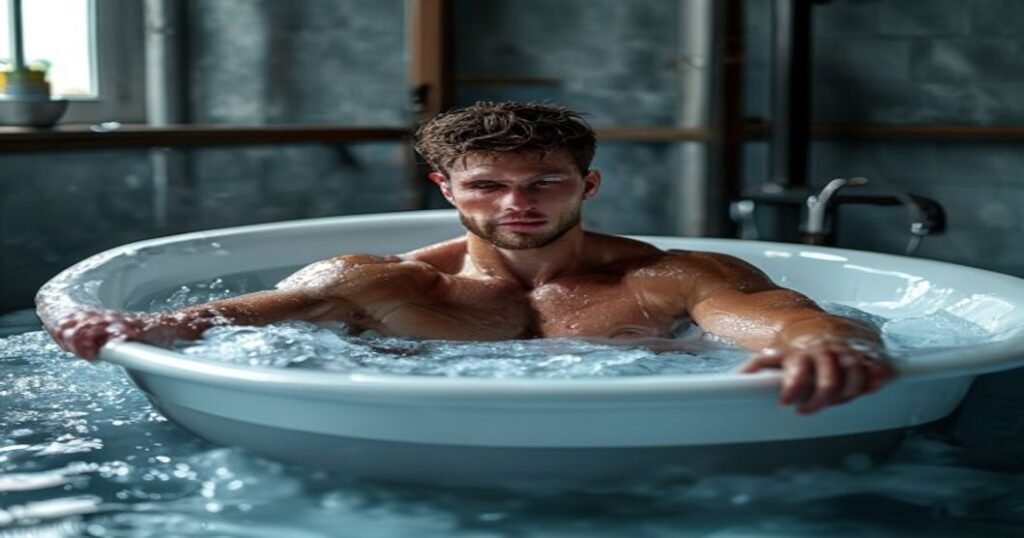
Cold water immersion, also known as cold plunge or cryotherapy, has gained popularity among athletes and fitness enthusiasts as a recovery tool after intense workouts. However, some have raised concerns about the potential negative impact of cold plunge on muscle gain and overall performance. In this article, we will delve into the science behind cold plunge, its effects on recovery and muscle growth, and provide a comprehensive guide on how to incorporate it into your routine.
A summary of the existing evidence suggests that cold water immersion can be beneficial for reducing muscle soreness, inflammation, and improving recovery after exercise. However, its effects on muscle growth and hypertrophy are less clear. A 2018 systematic review published in the Journal of Strength and Conditioning Research found that cold water immersion had a small to moderate effect on reducing muscle soreness, but its impact on muscle growth was inconsistent (Versey et al., 2018). Another study published in the Journal of Applied Physiology found that cold water immersion increased the expression of certain genes involved in muscle growth, but the clinical significance of this finding is unclear (Lee et al., 2012).
How It Works — The Science
Cold water immersion works by constricting blood vessels, reducing blood flow to the muscles, and decreasing the metabolic rate. This leads to a reduction in inflammation, muscle spasms, and oxidative stress, all of which can contribute to muscle soreness and fatigue. The cold water also stimulates the release of certain neurotransmitters, such as noradrenaline, which can help to reduce pain and improve mood (Costello et al., 2017).
The scientific mechanisms underlying cold water immersion are complex and multifaceted. The cold stress response is mediated by the sympathetic nervous system, which releases stress hormones such as adrenaline and noradrenaline. These hormones increase the circulation of certain immune cells, such as natural killer cells, which can help to reduce inflammation and promote recovery (Lee et al., 2012).
The optimal temperature and duration for cold water immersion are still a topic of debate. However, most studies suggest that temperatures between 10-15°C (50-59°F) and durations of 10-20 minutes are effective for reducing muscle soreness and improving recovery (Versey et al., 2018).
Protocols and How-To
To get started with cold plunge, follow these step-by-step guidelines:
- Start by filling a tub or container with cold water to a temperature of 10-15°C (50-59°F). You can use ice or cold water from a tap to achieve the desired temperature.
- Before getting in, make sure you have a towel and a warm drink nearby to help you warm up after the plunge.
- Get into the water slowly, starting with your feet and gradually immersing your body up to your neck.
- Stay in the water for 10-20 minutes, breathing deeply and slowly to help your body relax.
- After the plunge, get out of the water and warm up with a towel or a warm drink.
- Repeat the process 1-3 times per week, depending on your training schedule and recovery needs.
Note: It’s essential to consult with a healthcare professional before starting any new recovery protocol, especially if you have any underlying medical conditions.
Benefits — What the Research Says
The benefits of cold plunge are numerous and well-documented. Some of the most significant advantages include:
- Reduced muscle soreness: Cold water immersion has been shown to reduce muscle soreness after exercise, making it an effective tool for athletes and fitness enthusiasts (Versey et al., 2018).
- Improved recovery: Cold plunge can help to reduce inflammation, oxidative stress, and muscle spasms, all of which can contribute to fatigue and muscle soreness (Lee et al., 2012).
- Enhanced mental clarity: The cold stress response can stimulate the release of certain neurotransmitters, such as noradrenaline, which can help to improve mood and reduce stress (Costello et al., 2017).
- Increased fat loss: Cold water immersion can increase the circulation of certain lipolytic hormones, such as noradrenaline, which can help to increase fat loss (Chondronikola et al., 2014).
According to a study published in the Journal of Applied Physiology, cold water immersion increased the expression of certain genes involved in muscle growth, including the muscle protein synthesis gene, MYOD1 (Lee et al., 2012). Another study published in the Journal of Strength and Conditioning Research found that cold water immersion improved power output and reduced muscle soreness after high-intensity exercise (Versey et al., 2018).
Risks and Contraindications
While cold plunge can be a safe and effective recovery tool, there are certain risks and contraindications to consider:
- Hypothermia: Prolonged exposure to cold water can cause hypothermia, a condition characterized by a drop in body temperature. This can be life-threatening if not treated promptly.
- Raynaud’s disease: Individuals with Raynaud’s disease, a condition that affects blood flow to the hands and feet, should avoid cold water immersion.
- Heart conditions: Individuals with certain heart conditions, such as heart failure or coronary artery disease, should consult with their healthcare provider before starting cold plunge.
- Neurological conditions: Individuals with certain neurological conditions, such as multiple sclerosis or neuropathy, should consult with their healthcare provider before starting cold plunge.
It’s essential to consult with a healthcare professional before starting any new recovery protocol, especially if you have any underlying medical conditions.
Product Recommendations
Here are some product recommendations for cold plunge tubs and accessories:
| Product | Price | Description |
|---|---|---|
| Morozko Cold Plunge Tub | $1,295 | A high-quality, stainless steel cold plunge tub with a temperature range of 39-55°F (4-13°C). |
| Ice Barrel Cold Plunge Tub | $995 | A durable, food-grade plastic cold plunge tub with a temperature range of 39-55°F (4-13°C). |
| Cold Plunge Recovery System | $2,495 | A comprehensive recovery system that includes a cold plunge tub, a heat pump, and a control unit. |
FAQ
What is the optimal temperature for cold plunge?
The optimal temperature for cold plunge is between 10-15°C (50-59°F). However, the ideal temperature may vary depending on individual preferences and recovery needs.
How often should I do cold plunge?
The frequency of cold plunge depends on individual recovery needs and training schedules. However, most studies suggest that 1-3 times per week is sufficient for improving recovery and reducing muscle soreness.
Can I do cold plunge after every workout?
While cold plunge can be beneficial for recovery, it’s not necessary to do it after every workout. In fact, overdoing it can lead to fatigue and decreased performance. It’s essential to listen to your body and only use cold plunge when needed.
Bottom Line
In conclusion, cold plunge can be a safe and effective recovery tool for athletes and fitness enthusiasts. While it may have some benefits for muscle growth, the evidence is still limited, and more research is needed to fully understand its effects. By following the guidelines outlined in this article and consulting with a healthcare professional, you can incorporate cold plunge into your recovery routine and improve your overall performance and well-being.
Remember, recovery is a highly individualized process, and what works for one person may not work for another. It’s essential to experiment, listen to your body, and adjust your recovery protocol accordingly. With the right approach, cold plunge can be a valuable addition to your recovery arsenal, helping you to perform at your best and achieve your fitness goals.
🧊 Recommended Products
Shop the best Cold Plunge After Workout — vetted by our experts.
Shop Recovery Gear on Amazon →
As an Amazon Associate, we earn from qualifying purchases.
Related Guides & Reviews
- Cold Plunge Temp Guide
- Cold Plunge Tubs Biohackers Ultimate Guide
- How Cold How Long Beginners Cold Plunge Protocol
- Cold Plunge Benefits
- Does Inversion Therapy Actually Work Science Backed