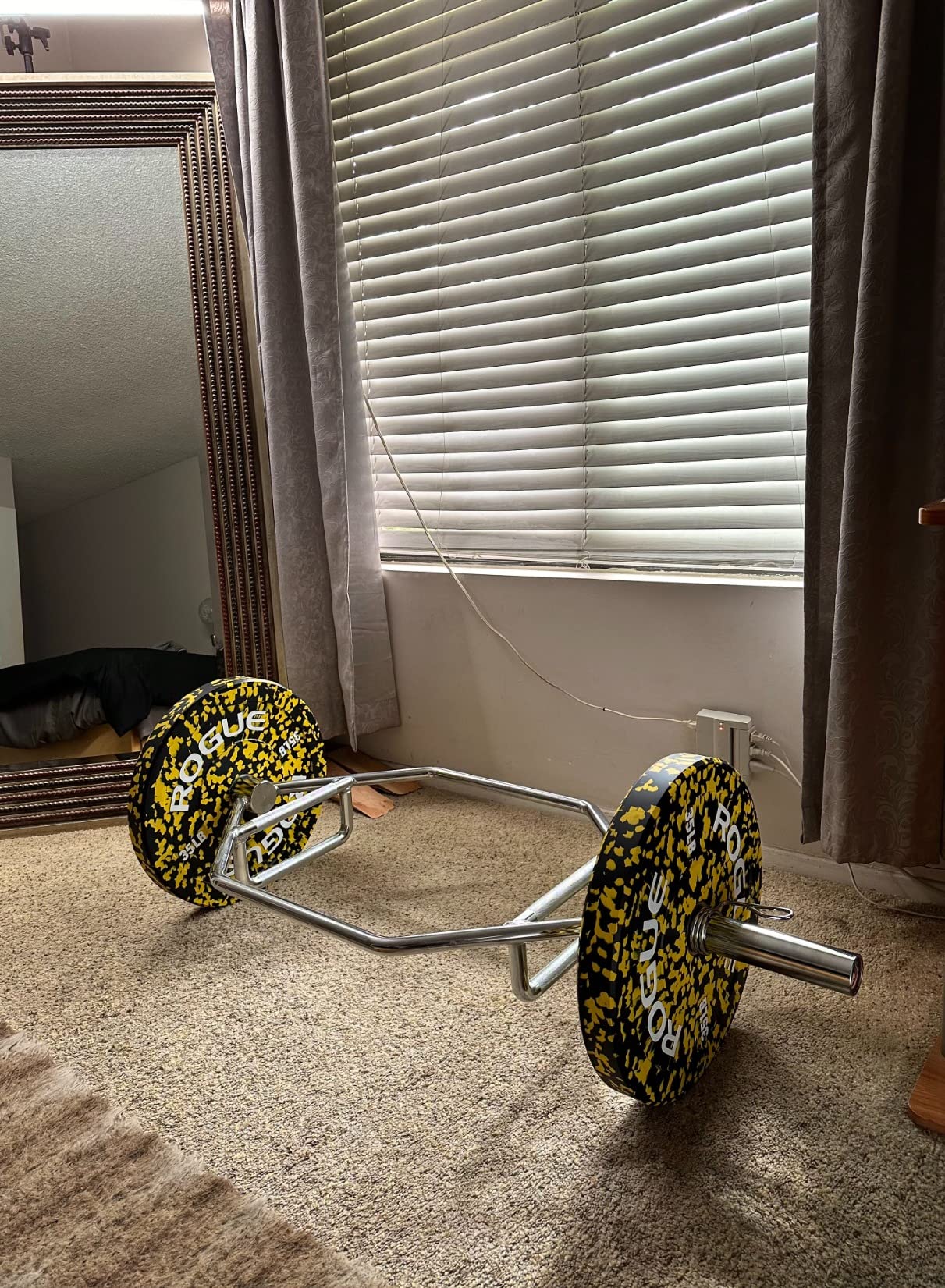
Titan Trap Bar Review: Is This Hex Bar Worth Adding to Your Home Gym?
A deep, hands-on look at the Titan Trap Bar’s build quality, handle design, weight capacity, and how it actually performs on deadlifts, shrugs, and carries.
1. Overview: What Is the Titan Trap Bar?
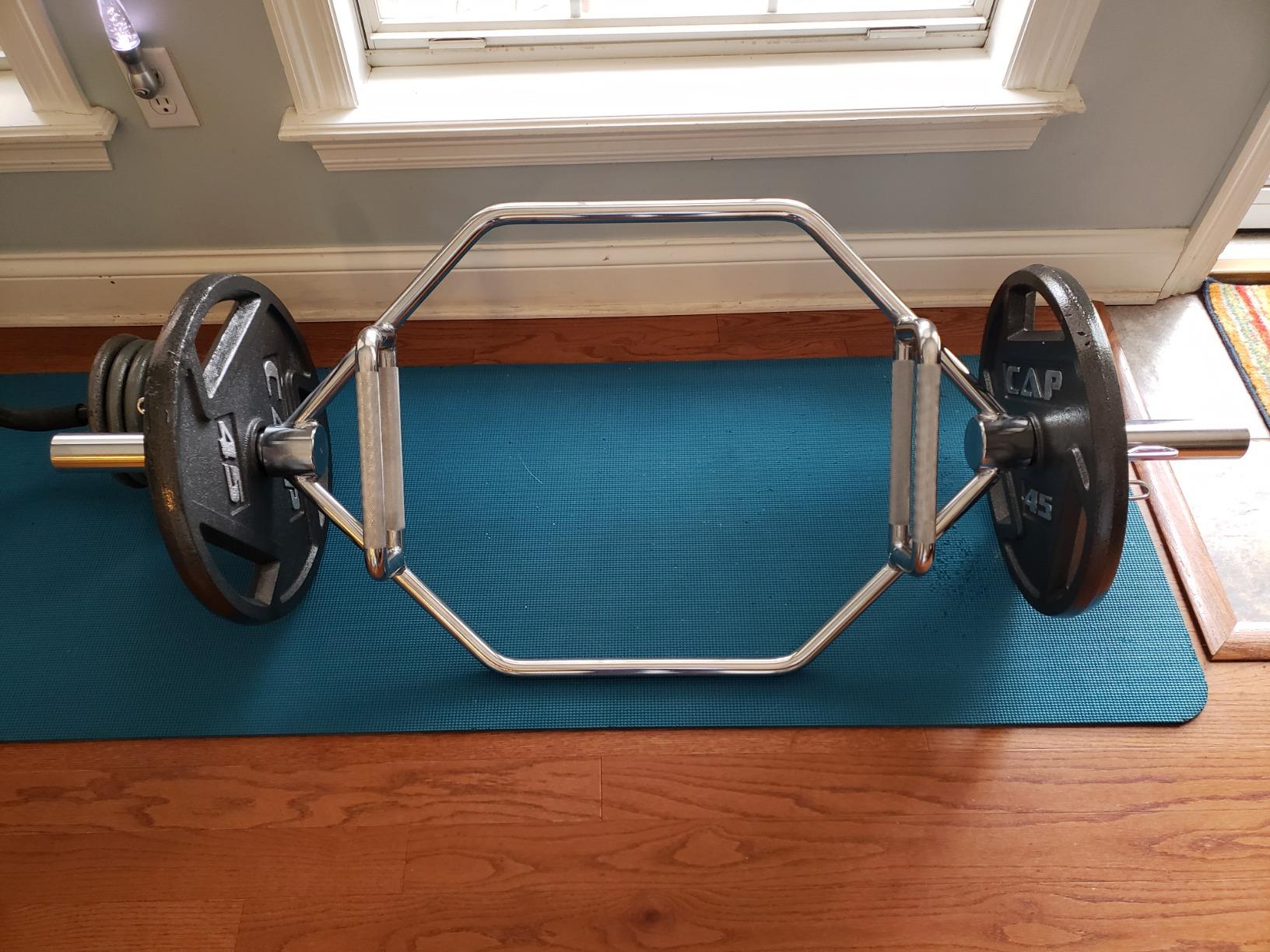
If you’ve spent any time deadlifting, you already know the tension between two camps: the purists who swear by the straight bar and the pragmatists who’ve discovered that a hex-shaped trap bar takes the lower back out of the danger zone while still building serious pulling strength. The Titan Trap Bar sits firmly in that second camp, and it has become one of the more talked-about hex bars in the budget-to-mid-tier price bracket.
Unlike a conventional Olympic bar, the trap bar surrounds the lifter rather than sitting in front of them. That single geometric change shifts the load path so it travels through the center of mass instead of out in front of the hips, which is why so many lifters — especially those with a history of lower back tightness — gravitate toward this style of bar for their heavy pulling days.
The Titan version specifically has built a reputation for offering neutral and elevated handle options, a hexagonal frame that clears most standard plates without shifting, and a price point that undercuts several of the more established strength-equipment brands. In this review, we’re breaking down every meaningful spec, the assembly experience, how it holds up under real training loads, and where it falls short.
If you’re deciding between the Titan and a handful of other trap bars on the market, it’s also worth reading our dedicated roundup of the best trap bars for a wider comparison, and if you’re unsure whether your rack or storage space can handle a hex bar at all, our guide on how much a trap bar weighs is a useful gut check before you buy.

See current pricing and availability for the Titan Trap Bar.
Check Price on Amazon2. Build Quality & Materials
The frame is constructed from steel tubing with a powder-coated finish, which is the standard approach for bars in this category. Powder coating trades a small amount of the raw-steel feel you get from a bare or chrome bar for meaningfully better corrosion resistance, which matters if you’re training in a garage gym without climate control.
The welds at the hexagonal joints are the first thing worth inspecting on any trap bar, since that’s where the majority of stress concentrates during heavy pulls. On the Titan, the welds are clean and consistent, without the pitting or spatter you sometimes see on bargain-bin alternatives. That said, this is not a competition-grade bar built to IPF specifications — it’s a training tool, and it performs like one.
The sleeves rotate on bushings rather than needle bearings. For a bar whose primary use case is deadlift-pattern movements rather than fast, bouncing Olympic lifts, bushings are entirely appropriate and keep the cost down without sacrificing anything you’d actually notice during a shrug or a farmer’s carry.
| Component | Material / Spec | Notes |
|---|---|---|
| Frame | Powder-coated steel | Corrosion resistant, matte finish |
| Sleeves | Rotating on bushings | Smooth enough for shrugs and pulls |
| Handles | Knurled steel, dual height | Neutral grip, no rotation |
| Finish | Black powder coat | Resists chipping under normal use |
3. Weight Capacity & Loading
Weight capacity is where a lot of buyers get nervous, and reasonably so — nobody wants to load four plates a side onto a bar rated for two. The Titan Trap Bar’s sleeves are long enough to accommodate a stack of standard Olympic plates per side, which puts the realistic working capacity well into territory that covers the vast majority of home-gym lifters, including those pulling in the 400–500 lb range once the bar’s own weight is factored in.
Plate clearance is the other half of this conversation. Because the hex frame surrounds the lifter, wide plates can sometimes contact the frame’s rails before they contact each other. The Titan’s frame width is designed with this in mind, and 45 lb plates load without rubbing against the inner rails, though very old or oversized plates from mismatched sets may sit closer than you’d like.
One detail worth flagging: because the bar itself typically weighs more than a standard 45 lb Olympic bar, your effective starting load is higher before you add a single plate. That’s worth remembering if you’re programming percentages off a straight-bar deadlift max.
Check current stock and shipping options.
View on Amazon4. Handle Design & Grip Options
This is arguably the single most important section of any trap bar review, because handle geometry changes the entire movement pattern. The Titan offers two handle heights — a standard neutral-grip set at hex-bar height, and a raised set for lifters who want a shorter range of motion, whether that’s for building starting-strength off a higher position, accommodating limited hip mobility, or simply training around an injury.
The knurling is moderate — aggressive enough to prevent slip on a heavy pull, but not so sharp that it tears up your hands during high-rep shrug or carry work. If you’re the type of lifter who leans heavily on grip accessories, it’s worth reading up on how grip strength actually improves your deadlift and pull-up numbers, since a trap bar’s neutral handle position already reduces some of the grip demand compared to a straight bar.
The neutral (parallel) hand position is the headline feature for most buyers. It keeps the wrists in a more natural orientation throughout the pull, which is a common reason lifters with wrist or elbow discomfort migrate to trap bar training in the first place.
5. Dimensions & Space Considerations
Trap bars are inherently bulkier than straight bars, and this is the tradeoff most first-time buyers underestimate. The Titan’s hexagonal footprint means it needs more floor and storage space than a standard bar, and it doesn’t fit into most vertical bar storage racks designed for straight bars.
If you’re mapping this purchase against everything else in a small home gym, it’s worth reviewing our broader home gym setup guide before committing shelf or wall space to a hex bar specifically, since the storage footprint is genuinely different from anything else you’re likely to own.
| Spec | Approximate Value |
|---|---|
| Overall length | ~86–90 inches |
| Interior step-in width | ~24–26 inches |
| Bar weight | ~55–65 lb depending on handle set |
| Sleeve length (loadable) | ~16 inches per side |
6. Assembly & Setup
The Titan Trap Bar ships as a single welded unit rather than a bolt-together kit, which removes an entire category of potential failure points — there’s no risk of a loose bolt working free mid-set, because there’s nothing to bolt together in the first place. Out of the box, it needs nothing more than unboxing and a quick wipe-down before its first session.
This is a meaningful advantage over trap bars that ship in two pieces connected by pins or bolts, since those designs occasionally develop play at the joint after months of heavy loading. The one-piece welded design trades a slightly larger shipping box for long-term structural confidence.
7. Real-World Performance
On the platform, the Titan Trap Bar does what a hex bar is supposed to do: it lets you pull heavy without loading the lumbar spine the way a conventional deadlift does. The center-of-mass load path is immediately noticeable if you’re coming from years of straight-bar pulling — the bar tracks close to the body almost automatically, because the frame geometry doesn’t give you much choice.
For shrugs, the neutral handle position lets you load heavier than a straight bar typically allows, since grip and wrist position stop being the limiting factor before the traps are actually fatigued. For farmer’s-style carries, the elevated handles in particular make the bar genuinely versatile beyond pure deadlift work.
Where it’s less ideal is fast, technical Olympic-style pulling. The frame and sleeve design isn’t built for high-speed bar rotation, so if your programming includes hex-bar jumps or explosive work, expect a slightly duller feel compared to a bar built specifically for that purpose.
Ready to add it to your setup?
Buy the Titan Trap Bar8. Titan Trap Bar vs. Other Popular Trap Bars
No trap bar review is complete without contextualizing it against the rest of the field. Here’s how the Titan stacks up against the general categories of competing hex bars on the market.
| Feature | Titan Trap Bar | Budget Hex Bars | Premium Competition Hex Bars |
|---|---|---|---|
| Handle options | Dual height (neutral) | Usually single height | Dual or triple height |
| Build | One-piece welded | Often bolt-together | One-piece, reinforced |
| Sleeve rotation | Bushing | Bushing or none | Bearing |
| Price tier | Mid | Low | High |
| Best for | Home gym strength training | Occasional/light use | Competitive strength athletes |
The takeaway: the Titan is positioned as the sweet spot between a bar you’ll outgrow and a bar you’re overpaying for if your goals are general strength training rather than competition prep.
9. Pros & Cons
Pros
- One-piece welded frame — no bolts to loosen over time
- Dual handle heights for varied training goals
- Neutral grip reduces wrist and elbow strain
- Generous plate loading capacity for most home lifters
- Durable powder-coated finish resists rust
Cons
- Bulky footprint — doesn’t fit standard bar racks
- Bushings rather than bearings (fine for most, not ideal for speed work)
- Heavier starting bar weight than a standard Olympic bar
- Not built for explosive/Olympic-style pulling
10. Who Should Buy the Titan Trap Bar?
This bar makes the most sense for home-gym lifters prioritizing strength and hypertrophy training over competition-specific barbell work — general strength athletes, lifters managing lower-back sensitivity, and anyone who wants a single tool that covers deadlifts, shrugs, and loaded carries without needing three separate pieces of equipment.
It’s a strong complement to accessory work too. If your training already includes grip-focused tools, our comparisons of grip strength trainers and guides on when to start using lifting straps pair naturally with heavy trap bar carry and shrug work, where grip endurance becomes the limiting factor before your legs or traps do.
11. Value for Money
Priced in the mid-tier bracket, the Titan Trap Bar competes directly against bars that either cost less but compromise on build quality, or cost significantly more for bearing-based sleeves and reinforced frames most home lifters will never actually need. For the price, the one-piece welded construction alone justifies the cost relative to bolt-together alternatives that carry long-term reliability risk.
If you’re also outfitting the rest of a home gym around this purchase, consider pairing it with proper support gear — our guide to weightlifting belts for squats and deadlifts and chalk options both round out a heavy-pulling setup well.
12. Final Verdict
The Titan Trap Bar earns its reputation as one of the better value hex bars for serious home-gym training. It won’t replace a competition bar for athletes chasing meet-specific numbers, and the storage footprint is a real consideration for smaller spaces — but for durability, handle versatility, and everyday training performance, it delivers well above its price point.
Check Current Price on AmazonFrequently Asked Questions
How much does the Titan Trap Bar weigh?
Depending on the handle configuration, the bar itself typically weighs somewhere in the 55–65 lb range, heavier than a standard 45 lb Olympic bar due to the added steel in the hex frame.
Does the Titan Trap Bar fit standard bar storage racks?
No. The hexagonal shape means it generally needs floor storage or a dedicated wide-format rack rather than a vertical Olympic bar holder.
Can beginners use a trap bar safely?
Yes — in fact, many coaches recommend trap bar deadlifts for beginners specifically because the more upright torso position and center-of-mass load path are more forgiving on the lower back than a conventional deadlift.
What’s the difference between the low and high handles?
The low handle set mimics a standard deadlift starting height, while the elevated handles shorten the range of motion — useful for taller lifters, rehab situations, or building confidence with heavier loads.
Is the Titan Trap Bar good for shrugs?
Yes, the neutral grip and higher handle option make it a strong tool for heavy shrug work, since grip fatigue sets in later than it would on a straight bar.
How much weight can the Titan Trap Bar hold?
The sleeves accommodate a full stack of standard Olympic plates per side, covering the loading needs of the large majority of home-gym lifters.
Do I need bumper plates for a trap bar?
No — standard iron or steel plates work fine, since trap bar training doesn’t typically involve dropping loaded bars the way Olympic lifting does.
Is a trap bar better than a straight bar for deadlifts?
Neither is strictly “better” — they train the movement differently. A trap bar reduces lower-back shear stress and often allows heavier loading, while a straight bar remains the standard for competition powerlifting.
Can the Titan Trap Bar be used for farmer’s carries?
Yes, and it’s one of the more popular uses for the elevated handle set, since the higher grip position is more comfortable for extended carry distances.
Does the powder coating chip easily?
Under normal home-gym use it holds up well; like any powder-coated equipment, dropping loaded plates directly onto the frame repeatedly will eventually cause wear.
Is assembly required?
No. The Titan Trap Bar ships as a single welded piece and requires no assembly beyond unboxing.
Will the Titan Trap Bar fit in a small garage gym?
It will fit in most garage gyms, but its footprint is noticeably larger than a straight bar, so it’s worth measuring your available floor and storage space before ordering.
Pingback: How Much Does a Trap Bar Weigh?