
How Does Nutrition Affect Gym Results? The Complete Guide to Eating for Muscle, Fat Loss, and Performance
You can train hard, sleep well, and follow a perfect program and still stall if your plate does not back you up. Here is exactly how food shapes every rep, every recovery, and every visible change.
Walk into any gym and you will see two kinds of people. The first group trains with intensity, tracks every set, and never seems to look any different from one season to the next. The second group trains with about the same effort, but their bodies keep changing: more muscle, less fat, better endurance, faster recovery. The difference between them is rarely the program. It is almost always what happens in the kitchen.
Nutrition is not a side quest to your training. It is the other half of the equation. Training provides the stimulus, a signal that tells your body it needs to adapt. Food provides the raw materials and the energy for that adaptation to actually happen. Without enough of the right fuel, the signal goes unanswered, and you end up tired, sore, and stuck.
This guide walks through exactly how nutrition affects gym results, from calories and macronutrients to hydration, micronutrients, timing, supplements, and the everyday habits that make progress stick. Whether you want to build muscle, lose fat, get stronger, or simply feel better in your own skin, you will leave with a clear framework you can apply this week.
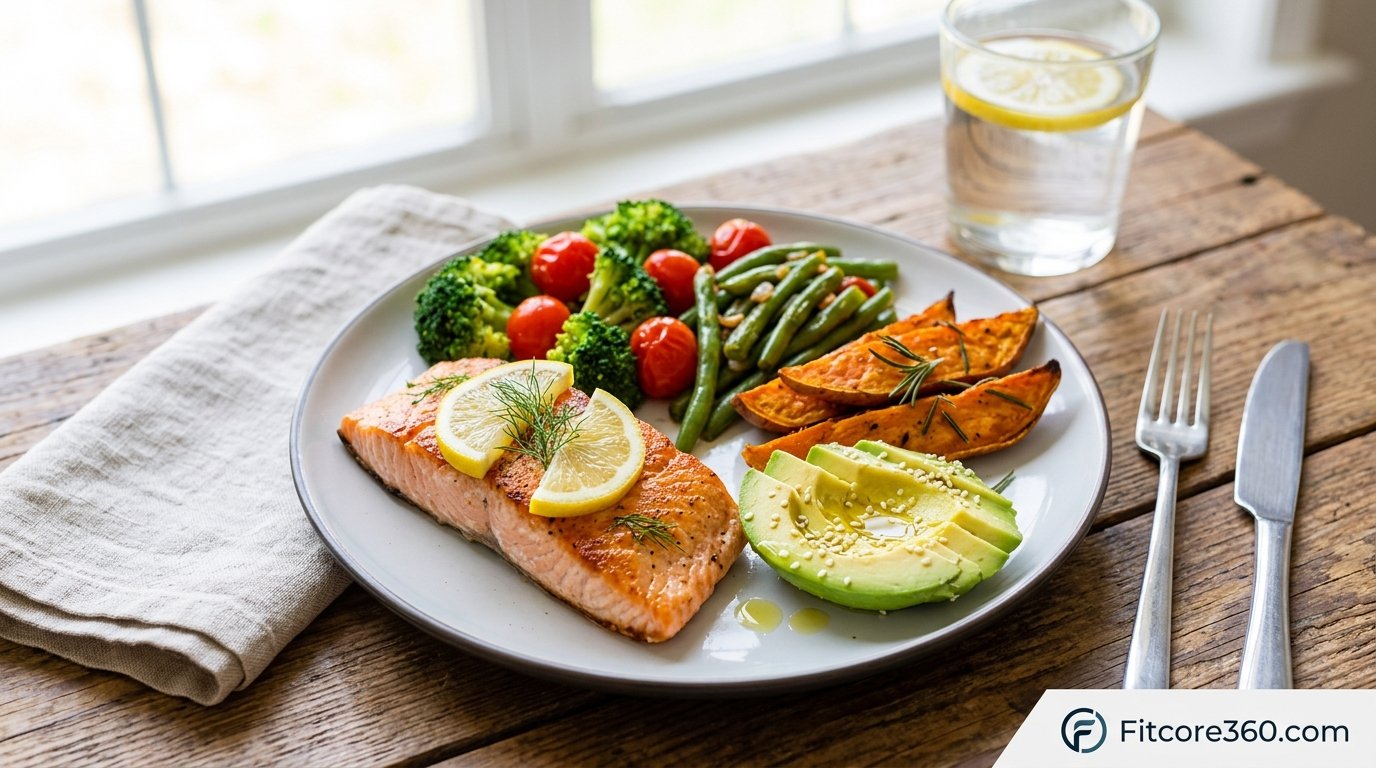
1. Why Nutrition Drives Your Gym Results
Think about what actually happens when you lift weights. You create small amounts of mechanical stress and microscopic damage in muscle fibers. Your body responds by repairing those fibers and, if the conditions are right, building them back slightly stronger and larger. That repair process is not magic. It costs energy, and it requires amino acids, minerals, and hormones, all of which come from what you eat.
The same logic applies to every other goal. Fat loss depends on a sustained energy deficit, which is a nutrition variable. Endurance depends on stored glycogen and hydration. Strength depends on a nervous system that is fed, rested, and not running on fumes. Even something as simple as showing up motivated for your session is influenced by blood sugar, caffeine intake, and how well you slept after last night’s dinner.
The “You Cannot Out-Train a Bad Diet” Principle
You have probably heard that phrase, and it holds up for a reason. An hour of hard training might burn a few hundred calories, which a single restaurant dessert or a couple of sugary coffees can erase in minutes. More importantly, training does not change your body on its own. It sends a message, and nutrition decides whether your body can act on it.
Research on body composition consistently shows that when training is held constant, dietary differences explain a large share of the variation in outcomes. Two people following an identical program can finish twelve weeks with very different results simply because one ate enough protein and a sensible number of calories while the other did not.
What Nutrition Actually Controls
- Muscle growth: requires adequate protein and enough total energy to support building new tissue.
- Fat loss: depends on a moderate calorie deficit while protecting lean mass with sufficient protein.
- Training performance: relies on carbohydrate availability, hydration, and electrolyte balance.
- Recovery: improves with enough calories, protein, micronutrients, and quality sleep.
- Hormonal health: is influenced by dietary fat intake, overall energy availability, and micronutrient status.
- Consistency and mood: are shaped by how satisfying, sustainable, and balanced your eating pattern feels.
If you are building out your training environment alongside your eating habits, a solid home gym setup makes consistent training far easier, and consistency is what gives good nutrition something to work with.
Stock your kitchen like you train: with intention. Browse popular fitness nutrition essentials and find what fits your routine.
Shop Fitness Nutrition Essentials2. Energy Balance: The Foundation Under Everything Else
Before macros, before supplements, before meal timing, there is energy balance. It is the relationship between the calories you eat and the calories you burn, and it largely determines whether your body weight goes up, down, or stays the same.
The Three States of Energy Balance
| State | What It Means | Typical Outcome in the Gym |
|---|---|---|
| Calorie surplus | You eat more than you burn | Supports muscle gain and strength progress, with some fat gain if the surplus is too large |
| Maintenance | Intake roughly equals expenditure | Weight stays stable; slow recomposition is possible for beginners and returning lifters |
| Calorie deficit | You eat less than you burn | Drives fat loss; strength may be maintained when protein and training are on point |
How Many Calories Do You Need?
Your daily energy expenditure comes from four sources: your basal metabolic rate (energy used just to keep you alive), the thermic effect of food (energy used to digest what you eat), exercise, and everyday movement such as walking, fidgeting, and chores. For most people, daily movement is a surprisingly big and surprisingly variable piece.
Online calculators give you a reasonable starting estimate, but treat the number as a hypothesis rather than a fact. The best method is simple. Eat at your estimated maintenance for two weeks, weigh yourself under consistent conditions, and see what the trend does. If your weight is flat, you have found maintenance. From there, you can adjust.
How Big Should Your Surplus or Deficit Be?
- Building muscle: a modest surplus of roughly 200 to 500 calories above maintenance is usually enough. Beginners can grow with less; advanced lifters often need to be even more conservative to avoid unnecessary fat gain.
- Losing fat: a deficit of roughly 300 to 500 calories below maintenance suits most people, aiming for losing around 0.5 to 1 percent of body weight per week. Faster than that increases the risk of losing muscle and burning out.
- Recomposition: eating near maintenance with high protein and solid training can slowly shift your body composition, especially if you are new to lifting or returning after a break.
Why Extreme Dieting Backfires
It is tempting to slash calories dramatically in the hope of faster results. In practice, aggressive restriction tends to reduce training quality, increase muscle loss, raise hunger and cravings, disrupt sleep, and make adherence collapse after a few weeks. The slower, steadier approach nearly always wins because you can actually keep doing it.
The opposite error exists too. A so-called dirty bulk, where you eat everything in sight to gain weight, adds more fat than muscle once you move past the early stages of training. More food is not always more muscle. There is a ceiling on how quickly your body can build new tissue, and calories beyond what that process needs mostly get stored as fat.
A reliable digital kitchen scale takes the guesswork out of portions and makes tracking dramatically more accurate.
Find a Kitchen Food Scale3. Protein: The Building Block of Muscle and Recovery
If energy balance is the foundation, protein is the first wall you build on it. Protein supplies the amino acids your body uses to repair and build muscle tissue, produce enzymes and hormones, and maintain immune function. For anyone who lifts, it is the single most important macronutrient to get right.
How Muscle Protein Synthesis Works
Muscle is in a constant state of turnover. Your body is always breaking down and rebuilding proteins. When you eat protein, particularly a dose rich in the amino acid leucine, you stimulate muscle protein synthesis, the process of building new muscle protein. Resistance training amplifies that response and keeps it elevated for a day or more. Over time, if synthesis outpaces breakdown, muscle grows.
How Much Protein Do You Need?
For people who train regularly, research generally supports about 1.6 to 2.2 grams of protein per kilogram of body weight per day, which is roughly 0.7 to 1 gram per pound. Going toward the higher end can be helpful during a calorie deficit, when protein helps protect lean mass.
| Goal | Daily Protein (per kg) | Daily Protein (per lb) |
|---|---|---|
| General fitness and health | 1.2 – 1.6 g | 0.55 – 0.7 g |
| Muscle gain | 1.6 – 2.2 g | 0.7 – 1.0 g |
| Fat loss while keeping muscle | 1.8 – 2.4 g | 0.8 – 1.1 g |
Spreading Protein Across the Day
Total daily protein matters most, but distribution helps. A practical target is around 0.3 to 0.4 grams per kilogram of body weight per meal, spread over three to five eating occasions. For most adults that lands between 25 and 50 grams per meal. Anchoring each meal around a quality protein source also naturally improves fullness, which makes controlling calories easier.
Best Protein Sources
Animal-Based Sources
- Chicken breast, turkey, lean beef
- Eggs and egg whites
- Fish and seafood, especially salmon and tuna
- Greek yogurt, cottage cheese, milk
- Whey and casein protein powders
Plant-Based Sources
- Tofu, tempeh, edamame
- Lentils, chickpeas, beans
- Seitan and soy-based products
- Pea, rice, and soy protein blends
- Quinoa, nuts, and seeds in supporting roles
Plant-based eaters can absolutely build muscle. Because individual plant proteins may be lower in certain amino acids, combining sources across the day and aiming for the higher end of the protein range makes the job easier.
Is Too Much Protein a Problem?
For healthy people, intakes within the ranges above are widely considered safe. People with kidney disease or other medical conditions should talk to a doctor or registered dietitian before raising protein intake significantly. Beyond that, there is little evidence that eating more than you need provides extra muscle, so there is no reason to chase extremes.
Strong results also depend on the load you lift. If your training lacks progressive overload, protein alone cannot do the job. Pairing great eating with the right equipment, such as a quality trap bar for heavy pulling, gives your body a strong reason to use the protein you eat.
Hitting your daily protein target is easier with a clean, mixable protein powder. Compare top options and flavors.
Browse Protein Powders4. Carbohydrates: The Fuel Behind Hard Training
Carbohydrates have been blamed for just about everything, but for people who train hard they are one of the most useful tools available. Your body stores carbohydrate as glycogen in muscles and the liver, and that glycogen is the primary fuel for moderate to high intensity exercise, including most resistance training.
What Happens When Glycogen Runs Low
When your glycogen stores are depleted, you feel it. Weights feel heavier, sets end sooner, focus drifts, and sessions that should feel productive turn into a grind. Over weeks, chronically low carbohydrate intake combined with high training volume can blunt performance and slow recovery. Lower training quality means a weaker stimulus for growth, which is the opposite of what you want.
How Many Carbs Should You Eat?
Carbohydrate needs depend on training volume, body size, and goals. A broad guide for people who lift several times per week:
| Training Style | Carbs (per kg per day) |
|---|---|
| Light or occasional training | 3 – 5 g |
| Regular lifting, moderate volume | 4 – 6 g |
| High-volume lifting or mixed with endurance work | 5 – 8 g |
A simple way to set carbs in practice is to fix your protein and fat first, then let carbohydrates fill the remaining calories. That keeps training energy high without requiring a separate calculation.
Simple vs. Complex Carbohydrates
Complex carbohydrates such as oats, rice, potatoes, whole-grain bread, beans, and fruit digest more slowly, deliver fiber, and provide steady energy. Simple carbohydrates like white rice, sports drinks, honey, and candy digest quickly. Neither is inherently good or bad. Slow carbs make sense as the foundation of most meals, while fast carbs can be useful around training when you want quick energy or fast glycogen refills.
Benefits of Adequate Carbs
- Better training volume and intensity
- Faster glycogen replenishment between sessions
- Protein-sparing effect that supports lean mass
- Improved mood and focus during hard sessions
- Fiber that supports digestion and fullness
Risks of Getting It Wrong
- Too few: sluggish workouts, poor recovery, cravings
- Too many refined carbs: easy to overeat calories
- Ignoring fiber: digestion and fullness suffer
- Poor timing for some: energy crashes mid-session
The Low-Carb Question
Low-carbohydrate diets can work for fat loss, mainly because they make it easier for some people to control calories. They are not magic. If you choose to eat fewer carbs, expect an adjustment period, and be honest about whether your training performance is holding up. If your lifts drop and recovery tanks, adding carbs back is often the simplest fix.
Carbohydrates also matter for cardio-focused work, whether on a rowing machine or an air bike. High-intensity intervals are heavily glycogen-dependent, so skimping on carbs in a conditioning phase can quickly show up as poor output.
Convenient, clean carb sources like oats and rice cakes make pre-workout fueling easy. Explore options built for active lifestyles.
Shop Pre-Workout Fuel5. Dietary Fat: Hormones, Joints, and Long-Term Health
Fat is the most calorie-dense macronutrient, with roughly nine calories per gram, and for years it was treated as the enemy. In reality, dietary fat plays several important roles for anyone who trains. It supports hormone production, helps absorb fat-soluble vitamins A, D, E, and K, protects cells, and contributes to long-term energy and satiety.
Fat and Hormonal Health
Hormones involved in training adaptation, including testosterone and estrogen, are built from cholesterol and other fat-derived compounds. Diets that are extremely low in fat, particularly while also in a steep calorie deficit, can contribute to disrupted hormone levels, low energy, and poor recovery. This is not a reason to eat huge amounts of fat. It simply means you should not push intake too low.
How Much Fat Is Enough?
A common recommendation is to keep fat at around 20 to 35 percent of total daily calories, with a floor of roughly 0.5 to 1 gram per kilogram of body weight. Within that range, personal preference decides the rest. Some people feel better with more fat and fewer carbs, others the reverse.
Types of Fat Worth Knowing
| Type | Common Sources | Role |
|---|---|---|
| Monounsaturated | Olive oil, avocado, almonds | Supports heart health and provides steady energy |
| Polyunsaturated (omega-3) | Salmon, sardines, walnuts, flaxseed | Linked with lower inflammation and better recovery support |
| Polyunsaturated (omega-6) | Nuts, seeds, vegetable oils | Essential, but balance with omega-3 intake matters |
| Saturated | Red meat, butter, cheese, coconut oil | Fine in moderation as part of a varied diet |
| Trans | Some processed baked goods and fried foods | Best minimized or avoided |
Practical Ways to Add Quality Fats
- Cook with olive oil or avocado oil instead of heavily processed oils.
- Eat fatty fish like salmon or sardines two or more times each week.
- Add a small handful of nuts or a spoonful of nut butter to snacks.
- Include whole eggs, which supply protein along with useful fats and nutrients.
- Use avocado on toast, salads, or rice bowls for creaminess and fullness.
Because fat is so calorie-dense, it is also the easiest macro to over-consume without realizing it. A single tablespoon of oil is around 120 calories. If your progress has stalled and you cannot figure out why, hidden cooking oil and sauces are a very common culprit.
Omega-3 rich foods and quality cooking oils are easy to find. Check out highly rated options to round out your fats.
Explore Omega-3 Options6. Meal Timing, Frequency, and the Anabolic Window
Few topics in fitness generate more debate than meal timing. Should you eat within thirty minutes of training or risk losing your gains? Do you need six small meals a day to keep your metabolism going? The honest answer is that timing matters, but far less than total intake.
What the Evidence Says About Timing
When daily calories and protein are matched, differences between different meal timing strategies are usually small. The so-called anabolic window, the idea that you must consume protein immediately after a workout, is much wider than gym lore suggests. If you ate a protein-containing meal a few hours before training, amino acids are likely still circulating afterward, and you have plenty of time to eat.
Where timing matters more is when training is done fasted, when sessions are very close together, or when you are trying to maximize performance for a competition or long session. In those cases, planning your meals around training can help.
A Sensible Pre-Workout Meal
Aim to eat a meal containing carbohydrates and protein roughly two to three hours before training. If time is shorter, go lighter and focus on easy-to-digest carbohydrates, such as a banana, rice cakes with honey, or a small bowl of oatmeal, roughly 30 to 60 minutes beforehand.
A Smart Post-Workout Meal
Within a couple of hours after training, aim for a balanced meal with 25 to 50 grams of protein and a good serving of carbohydrates. This restocks glycogen, supplies amino acids for repair, and sets the stage for your next session, particularly if you train twice in a day or on consecutive days.
Meal Frequency
Whether you eat three meals or six makes little difference to fat loss or muscle gain, provided your totals are the same. Choose a frequency that fits your schedule and keeps you full. For many people, three to five meals with a protein-forward structure is the sweet spot.
| Timing Factor | Importance | Practical Advice |
|---|---|---|
| Total daily calories | Very high | Set first and adjust based on your trend |
| Total daily protein | Very high | Hit your target every day |
| Protein distribution | Moderate | Spread across 3 to 5 meals |
| Pre-workout meal | Moderate | Carbs and protein 2 to 3 hours before |
| Post-workout meal | Low to moderate | Eat within a few hours |
| Strict feeding windows | Low | Follow what fits your lifestyle |
What About Intermittent Fasting?
Intermittent fasting can work for people who find it easier to control calories within a shorter eating window. It does not offer a special metabolic advantage over other approaches when calories and protein are equal. If you train in the morning fasted, you may notice lower performance on intense sessions, in which case moving a meal earlier is an easy fix.
Whatever approach you choose, the best timing strategy is the one that lets you train with energy and eat consistently. Even your equipment choices play a role here. If you spend your pre-workout hour prepping and training at home, a well-organized setup and proper home gym flooring can make showing up on schedule much easier.
Busy mornings call for portable fuel. Grab a shaker bottle and a few snack staples so your pre- and post-workout nutrition never gets skipped.
Shop Shaker Bottles7. Hydration and Electrolytes: The Overlooked Performance Lever
Water is not glamorous, but it may be the cheapest performance upgrade available. Your muscles are roughly three quarters water, and nearly every process involved in training depends on being properly hydrated, from delivering nutrients to regulating body temperature and moving nerve signals.
How Dehydration Hurts Results
Even a small fluid loss of around two percent of body weight can reduce strength, power, endurance, and concentration. You may notice earlier fatigue, headaches, cramping, a higher heart rate, and a poorer perceived effort. Over time, chronically low hydration can also affect recovery, digestion, and appetite signals, which can be mistaken for hunger.
How Much Water Do You Need?
Needs vary with body size, climate, and sweat rate, but a useful starting point is around 30 to 40 milliliters per kilogram of body weight daily, plus extra to replace what you sweat during training. A practical cue is urine color: pale yellow usually means you are on track, dark yellow suggests you should drink more.
- Drink around 400 to 600 milliliters about two hours before training.
- Sip regularly during sessions, especially in heat or long workouts.
- Replace losses afterward, roughly 1.25 to 1.5 liters for every kilogram of weight lost during exercise.
- Keep a bottle in sight throughout the day to build the habit.
Electrolytes: Sodium, Potassium, Magnesium
Sweat contains electrolytes, mainly sodium, along with smaller amounts of potassium, magnesium, and calcium. For most sessions under an hour, a normal diet replaces what you lose. For long, intense, or hot sessions, or if you are a heavy sweater, adding electrolytes can help maintain fluid balance and reduce cramping risk.
Signs You Are Well Hydrated
- Pale yellow urine
- Steady energy through workouts
- Minimal cramping
- Normal, well-managed hunger
Signs You Need More Fluid
- Dark urine and persistent thirst
- Headaches or dizziness during training
- Unusual fatigue or weaker lifts
- Muscle cramps and dry mouth
Hydration is also relevant for recovery tools. If you like to use heat or cold exposure to unwind after hard training, learn the basics first, such as the science behind cold plunge benefits or the best infrared saunas for home, and remember both can increase fluid losses.
A large insulated bottle and a quality electrolyte mix keep fluids and minerals topped up all day long.
See Electrolyte Mixes8. Vitamins and Minerals: The Quiet Supporting Cast
Macros get the headlines, but micronutrients keep the machinery running. Vitamins and minerals are required in small amounts, yet shortfalls can quietly hold back energy, recovery, bone health, and muscle function. The good news is that a varied diet rich in whole foods covers most needs for most people.
Key Micronutrients for Lifters
| Nutrient | Why It Matters | Food Sources |
|---|---|---|
| Vitamin D | Supports bone health, muscle function, and immune health | Sunlight, fatty fish, fortified dairy, eggs |
| Calcium | Bone strength and muscle contraction | Dairy, fortified plant milks, leafy greens |
| Magnesium | Energy production, muscle relaxation, sleep quality | Nuts, seeds, spinach, whole grains |
| Iron | Carries oxygen in blood; low levels cause fatigue | Red meat, lentils, spinach, fortified cereals |
| Zinc | Protein synthesis and immune function | Meat, shellfish, pumpkin seeds, legumes |
| Potassium | Fluid balance and muscle contraction | Bananas, potatoes, beans, yogurt |
| B vitamins | Energy metabolism and red blood cell formation | Meat, eggs, dairy, whole grains, legumes |
| Vitamin C | Collagen formation and antioxidant protection | Citrus, peppers, berries, kiwi |
Who Is at Higher Risk of Gaps?
Athletes who cut calories sharply, follow restrictive diets, or avoid entire food groups have a higher chance of running short. Vegetarians and vegans, for example, may need to watch vitamin B12, iron, zinc, and omega-3 intake. People who live in low-sunlight regions may have lower vitamin D. Women who menstruate may need more iron.
Eat the Rainbow, Seriously
Fruits and vegetables deliver vitamins, minerals, fiber, and plant compounds that support recovery and general health. Aim for a variety of colors across the week, and consider reaching for at least five servings of fruits and vegetables a day. Doing so also helps with fullness during a fat loss phase, since many are high in volume and low in calories.
Should You Take a Multivitamin?
A basic multivitamin can act as insurance for people with inconsistent diets, but it is not a substitute for good food. If you suspect you are deficient in something, a blood test and a conversation with a healthcare professional is more reliable than guessing, and avoids taking more than you need.
Micronutrients also matter for the joints and tendons that handle heavy loads. If you lift with straps or belts for heavy work, balanced nutrition for connective tissue goes hand in hand with smart equipment use, such as knowing when to start using lifting straps or whether you should wear a weightlifting belt for every lift.
Fill nutritional gaps with a quality multivitamin or vitamin D supplement chosen for active adults.
Browse Multivitamins9. Eating for Your Goal: Muscle Gain, Fat Loss, or Recomposition
Everything above sets the general rules. Now let’s tailor them. How nutrition affects gym results depends heavily on what you are trying to achieve, because the same food choices can push you in different directions depending on the calories attached.
Eating to Build Muscle
To build muscle, you need a small calorie surplus, high protein, sufficient carbohydrates to fuel hard sets, and progressive training. Aim to gain roughly 0.25 to 0.5 percent of body weight per week if you are an experienced lifter, or somewhat faster as a beginner. Prioritize sleep and consistency over perfection.
- Eat about 200 to 500 calories above maintenance.
- Hit 1.6 to 2.2 grams of protein per kilogram of body weight.
- Keep carbs high enough to support training volume.
- Choose calorie-dense, nutritious foods if appetite is a problem, such as smoothies, nuts, rice, and olive oil.
- Monitor weekly weight gain and adjust if it is too fast or too slow.
Eating to Lose Fat
For fat loss, the goal is a moderate calorie deficit while holding on to muscle. Keep protein high, keep lifting heavy, and use food volume to stay full. Cutting too aggressively is the most common reason fat loss stalls, because sleep, training quality, and adherence all suffer.
- Eat about 300 to 500 calories below maintenance.
- Push protein toward 1.8 to 2.4 grams per kilogram.
- Fill your plate with vegetables, fruit, and high-fiber carbs for fullness.
- Keep strength training the priority; use cardio as a supplement.
- Plan occasional maintenance weeks if the diet becomes tough to sustain.
Body Recomposition: Losing Fat and Gaining Muscle Together
Recomposition works best for beginners, people returning from time off, and those with higher body fat. Eat roughly at maintenance, prioritize protein, train progressively, and be patient. Scale weight may barely move while your measurements and mirror change.
| Goal | Calories | Protein | Training Focus |
|---|---|---|---|
| Build muscle | Small surplus | 1.6 – 2.2 g/kg | Progressive overload, adequate volume |
| Lose fat | Moderate deficit | 1.8 – 2.4 g/kg | Maintain strength, add low-intensity activity |
| Recomposition | Near maintenance | 1.8 – 2.2 g/kg | Consistent lifting with steady progression |
| Performance or endurance | Maintenance to slight surplus | 1.4 – 2.0 g/kg | High carbs around key sessions |
Sample Day of Eating (Muscle Gain)
- Breakfast: eggs, oats with berries, and a glass of milk.
- Lunch: grilled chicken, rice, mixed vegetables, olive oil.
- Pre-workout snack: banana with Greek yogurt.
- Dinner: salmon, potatoes, and a large salad.
- Evening snack: cottage cheese with nuts or a casein shake.
Adapting those same foods for fat loss is mostly a matter of portion size, using leaner proteins, and swapping some starchy carbs for more vegetables. And if conditioning is part of your plan, the right cardio gear helps you burn energy without destroying recovery. Compare options like the best ellipticals for home or the Rogue Echo Bike vs Assault AirBike to match your schedule.
Meal prep containers make sticking to your calorie and protein targets almost automatic. Find sets that fit your week.
Shop Meal Prep Containers10. Supplements That Actually Help (and Ones That Don’t)
The supplement industry is loud, expensive, and full of exaggerated claims. The reality is that most supplements add little compared to a solid diet and good training. A handful, however, have strong evidence behind them and can provide a modest edge once the basics are in place.
Supplements With Solid Evidence
| Supplement | What It Does | Typical Dose |
|---|---|---|
| Creatine monohydrate | Increases strength, power, and lean mass; extensively studied | 3 – 5 g daily |
| Protein powder | Convenient way to reach daily protein targets | 20 – 40 g per serving as needed |
| Caffeine | Improves focus, perceived effort, and performance | About 3 – 6 mg/kg, 30 – 60 minutes before training |
| Vitamin D | Corrects deficiency, supports bone and muscle health | Based on blood levels and professional advice |
| Omega-3 (EPA/DHA) | Supports heart health and may help with inflammation | Often 1 – 3 g combined EPA and DHA |
Creatine: The Standout
If there is one supplement worth considering for gym results, it is creatine monohydrate. It helps regenerate the energy your muscles use for short, intense efforts, which can mean an extra rep or two across your sets. Over weeks and months, that adds up to better training quality and more lean mass. It is safe for most healthy people at standard doses, though anyone with kidney concerns should consult a doctor first. You do not need loading phases or fancy versions; plain monohydrate taken consistently is enough.
Supplements Often Oversold
- Fat burners: mostly caffeine with marketing, and can cause jitters, sleep problems, or heart rate issues.
- BCAAs: unnecessary if you already eat enough total protein.
- Testosterone boosters: typically show weak or no effects in healthy men.
- Detox teas and cleanses: not supported by evidence for fat loss or performance.
- Proprietary blends: hide doses, making it impossible to know what you are getting.
Smart Supplement Habits
- Fix food, sleep, and training first
- Choose third-party tested products
- Add one new supplement at a time
- Read labels for exact doses
Red Flags to Avoid
- Miracle or rapid-results claims
- Hidden ingredients or vague blends
- Stacking many products at once
- Ignoring medical conditions or medications
Always speak with a healthcare professional before starting supplements if you are pregnant, taking medication, or have a medical condition. Supplements support a plan; they do not replace one.
Muscle stimulators are another product category surrounded by hype. If you are curious about gadgets that claim to speed recovery, read an honest rundown of the best muscle stimulators first and keep expectations realistic.
Looking for a reliable creatine monohydrate? Compare third-party-tested options from trusted brands.
Shop Creatine Monohydrate11. Common Nutrition Mistakes That Sabotage Gym Results
After you understand the principles, the next step is avoiding the traps. These are the mistakes that quietly keep people stuck for months or years.
1. Under-Eating Protein
Many people guess at their protein and fall well short, especially at breakfast and snacks. Without enough amino acids, recovery lags and muscle gain slows. Tracking your intake for even a week or two often reveals the gap.
2. Not Eating Enough Overall
Chronic under-eating is common among people who want to get leaner or who simply forget to eat. The result is poor energy, stalled strength, and eventually plateaus or injuries. If you are tired all the time, check whether you are actually fueling your training.
3. Drinking Calories Without Noticing
Sugary coffee drinks, juice, soda, and alcohol can add hundreds of calories without making you feel full. They can also affect sleep and recovery. Alcohol in particular can reduce muscle protein synthesis and impair sleep quality, which hampers progress.
4. Weekend Overeating
You can eat well Monday through Friday and erase an entire week’s deficit in two days. Weekends deserve a plan, not guilt. A small amount of flexibility is healthy, but weekly averages are what matter.
5. Relying on Willpower Instead of Systems
People who prepare food in advance, keep protein easy to reach, and shop with a list tend to stick with a plan far longer than people who depend on motivation. Make the right choice the easy choice.
6. Ignoring Sleep
Poor sleep raises hunger hormones, lowers satiety signals, reduces training performance, and impairs recovery. If your diet looks perfect on paper but results are poor, check your sleep before changing anything else.
7. Chasing Perfect Instead of Consistent
One off-plan meal does not ruin progress, and one perfect day does not create it. Results come from what you do most of the time. An approach you can follow at about 80 to 90 percent consistency beats a perfect plan you abandon in three weeks.
8. Overestimating Calories Burned in the Gym
Cardio machines and wearables often overstate energy expenditure. Treating exercise as permission to eat extra is a classic way to stall a fat loss phase. Use those numbers loosely, if at all.
| Mistake | What It Looks Like | Easy Fix |
|---|---|---|
| Low protein | Slow recovery, little muscle gain | Add a protein source to every meal |
| Under-eating | Fatigue, strength plateaus | Raise calories slightly and reassess |
| Liquid calories | Weight stuck despite “clean” food | Swap for water, tea, or zero-calorie drinks |
| Weekend binges | No weekly progress | Plan meals and leave room for treats |
| Poor sleep | Cravings and weak workouts | Aim for a consistent 7 to 9 hours |
Sometimes the issue is not food at all but a lack of training stimulus or the wrong tools. A strong plan blends smart eating with good equipment, such as a reliable weightlifting belt for squats and deadlifts or quality lifting straps for heavy pulls, so you can actually progress the load that your nutrition is built to support.
A food journal or habit tracker makes it easy to spot mistakes and build better routines.
Find Food Journals12. Building a Sustainable Nutrition Plan Step by Step
Knowledge only matters if you can put it into practice. Here is a straightforward framework to turn everything above into a plan you can follow without overthinking it.
Step 1: Define Your Goal and Timeline
Decide whether you are building muscle, losing fat, recomposing, or improving performance. Be realistic. Meaningful changes in body composition take months, not weeks, so choose a time horizon of at least twelve weeks.
Step 2: Set Calories and Protein First
Estimate maintenance calories, then apply a small surplus or deficit based on your goal. Set a protein target in grams. Those two numbers do most of the heavy lifting.
Step 3: Fill In Fats and Carbs
Set fats at roughly 20 to 35 percent of calories, then let carbohydrates take up the rest. If you train intensely, lean toward more carbs around workouts.
Step 4: Build Meals You Actually Enjoy
Choose three to five go-to breakfasts, lunches, and dinners that match your numbers and taste good. Variety can come from seasoning and sides. Simplicity helps adherence.
Step 5: Prepare and Automate
Batch cook proteins and grains once or twice a week. Keep easy options such as yogurt, fruit, jerky, and shakes on hand. Do your shopping from a list. The fewer decisions you need to make at 6 p.m. when you are tired and hungry, the better.
Step 6: Track, Review, Adjust
Track your weekly average weight, how your lifts are progressing, and how you feel. Every two to three weeks, review the trend. If nothing changes, make a small adjustment of around 100 to 200 calories rather than overhauling everything.
Step 7: Protect Recovery
Sleep, stress management, and rest days complete the picture. Nutrition cannot fully compensate for chronic sleep loss or constant stress. Recovery methods like mobility work, foam rolling, and tools such as an inversion table, if the science supports it for you, or resistance bands for rehab and mobility, can complement the work you do in the kitchen.
A Simple Weekly Rhythm
- Sunday: plan meals, shop, and batch cook.
- Monday to Friday: follow your structure, hit protein, hydrate, and train.
- Midweek: quick check on energy, sleep, and weight trend.
- Saturday: enjoy flexible meals while staying near your targets.
- Every two to three weeks: review progress and make one small adjustment.
Make your plan easier to follow with the right kitchen basics, from blenders to air fryers built for healthy cooking.
Shop Healthy Kitchen GearFrequently Asked Questions About Nutrition and Gym Results
How much does nutrition really affect gym results?
Nutrition has an enormous influence. Training provides the stimulus for change, but food provides the energy and building materials for that change to occur. Many people attribute a majority of their body composition results to what they eat, which is why two people with identical training can see very different outcomes.
Can I build muscle without eating more protein?
You can build some muscle, especially as a beginner, with modest protein intake, but results are generally better when protein reaches roughly 1.6 to 2.2 grams per kilogram of body weight. Too little protein limits repair and growth, particularly if you are training hard or in a calorie deficit.
Should I eat before or after my workout?
Both can help, but total daily intake matters most. A meal with carbohydrates and protein two to three hours before training supports performance, and a balanced meal within a couple of hours afterward supports recovery. If you train fasted and feel fine, you can adjust based on how you perform.
How many calories should I eat to gain muscle?
Most people do well eating about 200 to 500 calories above their maintenance level. Beginners may gain with smaller surpluses, while advanced lifters often need to be more conservative. Track your weekly weight and adjust so gains are gradual rather than rapid.
How many calories should I cut to lose fat?
A deficit of about 300 to 500 calories below maintenance works for most people, targeting roughly 0.5 to 1 percent of body weight lost per week. Keep protein high and continue lifting to preserve muscle. Larger deficits can work briefly but are harder to sustain.
Do I need to eat six small meals a day?
No. Meal frequency has little effect on fat loss or muscle gain when total calories and protein are the same. Choose a pattern, such as three to five meals, that fits your schedule, keeps you full, and makes hitting your protein target easier.
Are carbs bad for fat loss?
Carbohydrates are not inherently fattening. Fat loss depends on a calorie deficit, and carbs can actually improve training quality by fueling hard sessions. Choosing high-fiber, minimally processed sources helps with fullness while still supporting performance.
Is creatine safe and worth taking?
Creatine monohydrate is among the most researched supplements and is considered safe for most healthy adults at 3 to 5 grams per day. It can improve strength, power, and lean mass over time. People with kidney or other medical conditions should talk to a doctor first.
How important is hydration for gym performance?
Very important. Losing as little as two percent of body weight through sweat can reduce strength, endurance, and focus. Drink consistently throughout the day, check that urine is pale yellow, and add electrolytes for long, hot, or intense sessions.
Why am I not seeing results even though I train hard?
Common reasons include eating too little or too much for your goal, low protein, poor sleep, inconsistent tracking, and not progressing the weight or reps over time. Review your calorie average, protein intake, sleep, and training progression for a few weeks before making major changes.
Can I get everything I need from food without supplements?
Yes, for most people. A varied diet with enough calories and protein can cover nearly everything. Supplements like protein powder or creatine are convenient or modestly helpful, but they are optional add-ons, not requirements.
Does alcohol affect gym results?
It can. Alcohol adds calories without much nutrition, can disrupt sleep, and may reduce muscle protein synthesis and recovery. Occasional moderate drinking is unlikely to ruin progress, but frequent or heavy intake can noticeably slow it.
How long before I notice results from improving my diet?
Energy, digestion, and workout performance may improve within one to two weeks. Visible changes in body composition typically take four to twelve weeks of consistent effort. Track measurements, photos, and strength over time rather than relying on the scale alone.
Conclusion: Train Hard, Eat Smart, and Let the Results Follow
So, how does nutrition affect gym results? In nearly every way that matters. It sets the energy available for your workouts, supplies the protein your muscles use to rebuild, governs whether you gain or lose weight, shapes your hormones and recovery, and determines how consistent you can be over months and years.
The good news is that you do not need a perfect diet. You need a sensible one. Start with energy balance, make protein a priority at every meal, fuel training with enough carbohydrates, keep healthy fats in the mix, stay hydrated, cover your micronutrients with a varied diet, and use supplements only as a small final layer. Then give it time, track your trend, and adjust patiently.
Pick one change you can make today, whether that is adding protein to breakfast, prepping lunches for the week, or filling a water bottle before you leave for the gym. Small, repeatable actions build the body and performance you are working toward. Your training lights the spark. Your nutrition keeps the fire burning.
Ready to fuel your next session? Explore top-rated fitness nutrition and gear picks and take the next step toward your goal.
Shop Gym Nutrition Essentials
Pingback: Best Fruits for Weight Loss: What to Eat
Pingback: Best Yogurt for Weight Loss: Top Picks & Guide
Pingback: Best Weight Loss Supplements for Women: Honest Picks