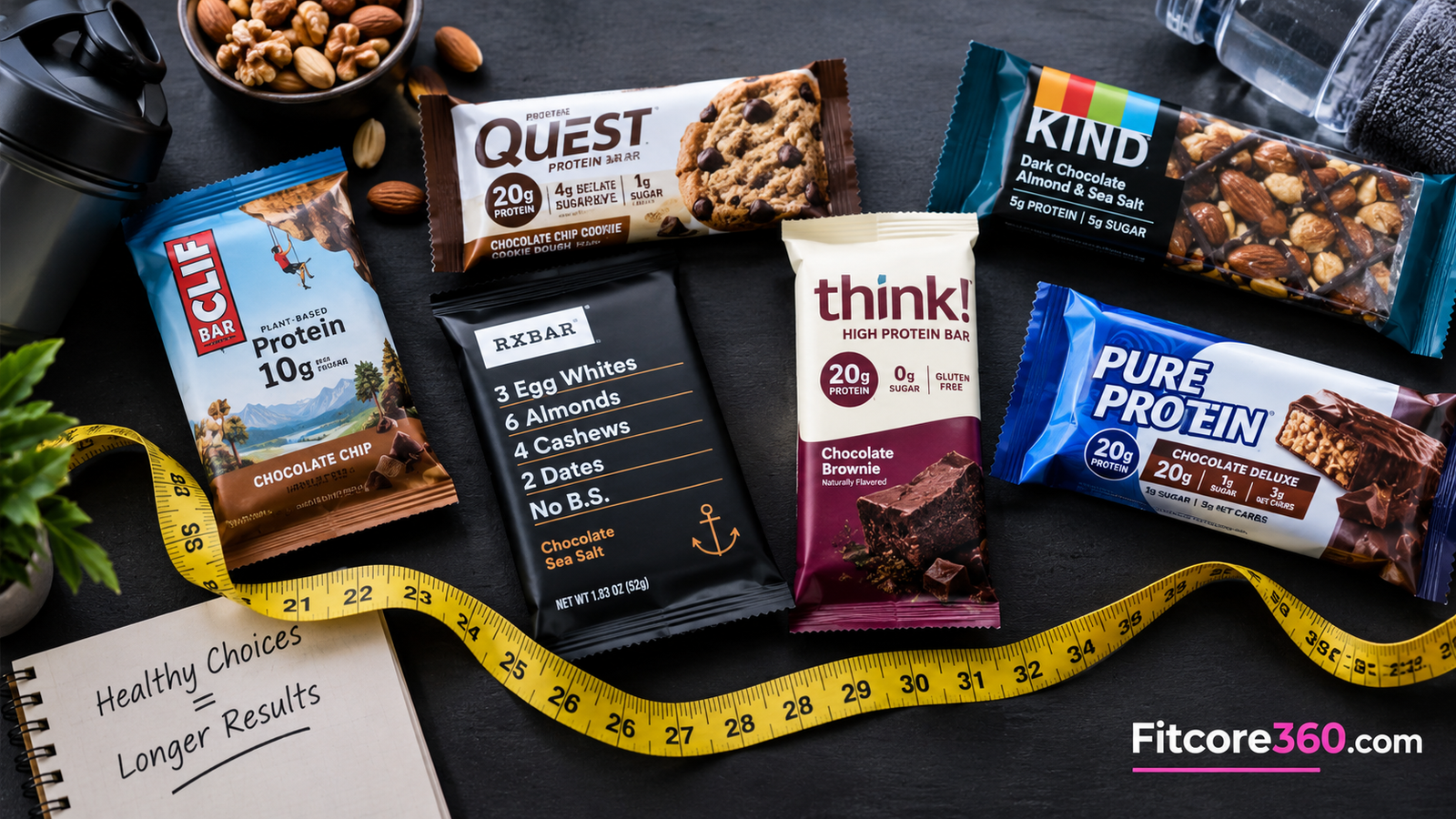
Honest Buyer’s Guide
Best Protein Bars for Weight Loss: 10 Bars Worth Putting in Your Bag
Real talk on which bars actually keep you full, keep sugar low, and still taste like something you want to eat.
Table of Contents
- How Protein Bars Fit Into Weight Loss
- What to Look for on the Label
- Pure Protein Chocolate Deluxe
- Quest Protein Bars
- Barebells Protein Bars
- ONE Protein Bars
- Power Crunch Protein Energy Bars
- Fiber One Chewy Protein Bars
- ALOHA Plant-Based Protein Bars
- NuGo Protein Bars
- No Cow Dipped Protein Bars
- Orgain Protein Bars
- FAQs
- Final Thoughts
Heads up: some links below are Amazon affiliate links. If you buy through them we may earn a small commission at no extra cost to you. It helps us keep testing and writing.
Walk down any snack aisle and you will find a wall of bars all promising the same thing: more protein, less guilt, easier weight loss. Some of them deliver. Plenty of them are candy bars wearing a gym outfit. If you have ever eaten a “healthy” bar at 3 p.m. and been starving again by 4, you already know the problem.
This guide exists to cut through that noise. We went through ten of the most popular protein bars on the market and judged each one on the things that actually matter when you are trying to lose fat: how much protein you get for the calories, how much sugar sneaks in, whether fiber helps you feel full, how the bar tastes and chews, and whether you can realistically stick with it week after week. A bar you hate is a bar that ends up in the bottom of your gym bag.
One honest note before we start. A protein bar is a tool, not a magic trick. It will not melt fat on its own. What it can do is rescue a rushed morning, tame an afternoon craving, or give you a controlled, high-protein option when the alternative is a vending machine. Used that way, the right bar makes a calorie deficit a lot easier to live with.
Quick Picks at a Glance
Nutrition shifts between flavors and formula updates, so treat the figures below as rough ranges and always check the label on the exact box you buy.
| Bar | Protein (approx.) | Sugar | Best For |
|---|---|---|---|
| Pure Protein Chocolate Deluxe | High, around 20 g | Low to moderate | Budget-friendly everyday bar |
| Quest Protein Bars | High, around 20 g | Very low | Low-carb and fiber-first eating |
| Barebells Protein Bars | High, around 20 g | Very low | Dessert-style craving control |
| ONE Protein Bars | High, around 20 g | Very low | Candy-bar flavors with a tight macro profile |
| Power Crunch | Moderate, mid-teens | Low to moderate | Crunchy wafer texture lovers |
| Fiber One Chewy Protein | Moderate | Moderate | Fiber-heavy, lower-calorie snacking |
| ALOHA Plant-Based | Moderate, mid-teens | Moderate | Plant-based, whole-ingredient feel |
| NuGo Protein Bars | Moderate to high | Varies by line | Variety and chocolate coatings |
| No Cow Dipped | High, around 20 g | Very low | Vegan, low-sugar, dipped-bar treat |
| Orgain Protein Bars | Moderate | Moderate | Organic-leaning, plant protein fans |
How Protein Bars Fit Into a Weight Loss Plan
Weight loss comes down to eating a little less energy than your body burns, consistently, for long enough to matter. The hard part is rarely the math. It is hunger, convenience, and the dozens of small decisions you make when you are tired, busy, and surrounded by food. Protein bars help in exactly those moments.
Protein is the most filling macronutrient. It takes more energy to digest than carbs or fat, it slows how quickly your stomach empties, and it helps protect lean muscle while you are eating in a deficit. That last part matters more than most people realize. If you lose weight but lose muscle with it, you end up smaller but softer, with a slower metabolism and a tougher time keeping the weight off. Hitting a solid daily protein target is one of the most useful habits you can build, and bars make that target easier to reach on days when cooking is not happening.
If you want to see how everyday eating choices ripple into your results in the gym, our breakdown on how nutrition affects gym results is a good companion read.
Where a bar earns its place
- The rushed breakfast. A bar plus a coffee beats skipping the meal and raiding the office snack table at 11 a.m.
- The afternoon slump. Cravings tend to peak mid-afternoon. A controlled 200-calorie option keeps you from a 600-calorie detour.
- Post-workout. When dinner is two hours away, a bar delivers protein quickly without any prep.
- Travel and long days. Airports and gas stations are low-protein deserts. A bar in your bag is insurance.
Where bars can backfire
The trap is treating a bar as a free pass. Many bars land between 180 and 300 calories, which is a real mini-meal, not a trivial nibble. If you eat one on top of a normal day without adjusting anything else, you may erase a chunk of your deficit. Others carry sugar alcohols that upset some stomachs, or enough added sugar to spike hunger rather than control it.
Whole foods still deserve the starring role. For ideas that pair well with a bar, take a look at our lists of the best snacks for weight loss and the best fruits for weight loss. A bar plus a piece of fruit makes a surprisingly satisfying snack.
Ready to stock up? See current options and pricing.
Shop Top-Rated Protein Bars on AmazonWhat to Look for on the Label
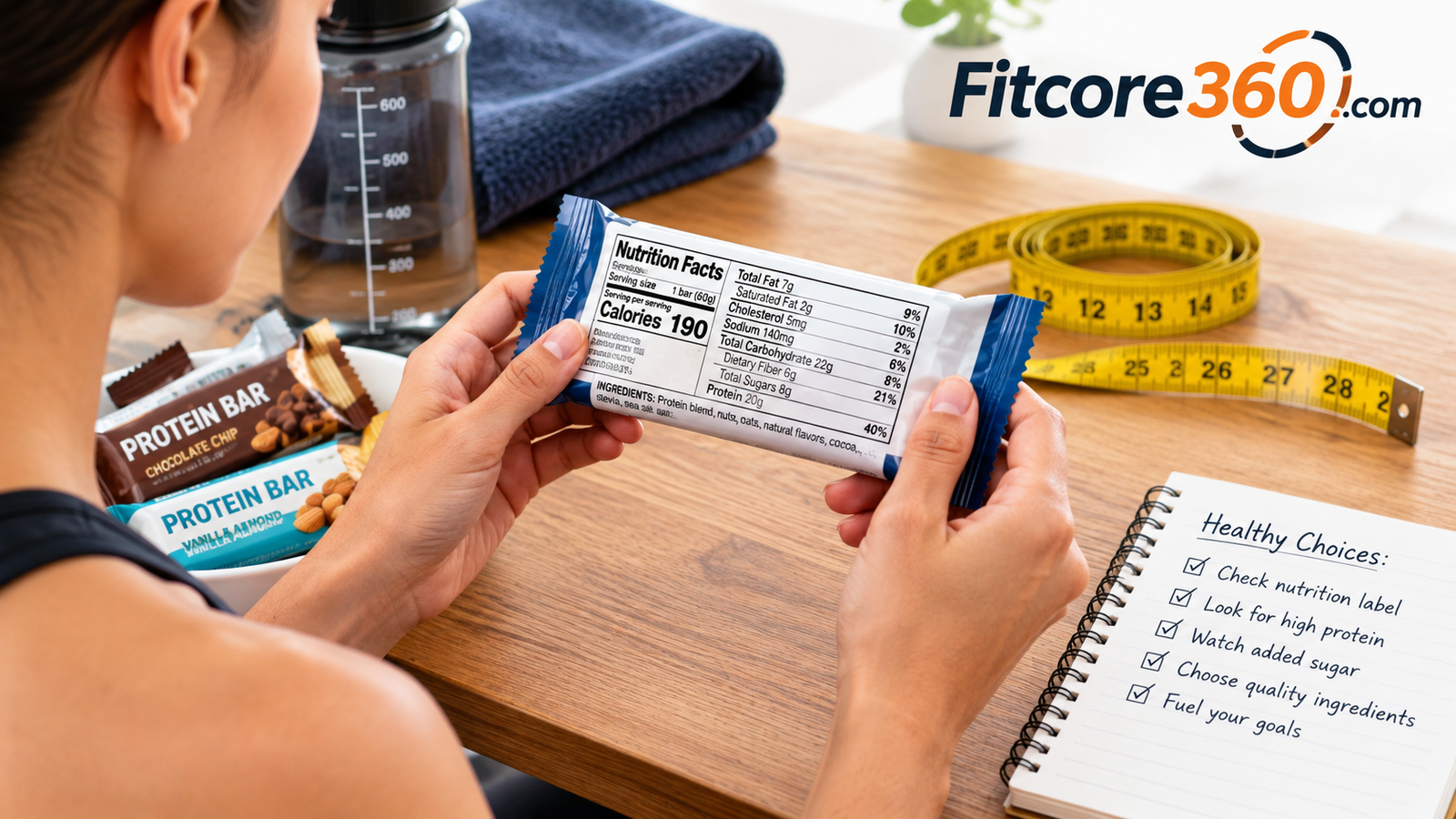
Marketing claims on the front of the wrapper are designed to sell. The nutrition panel on the back tells the truth. Here is how to read it quickly, without a nutrition degree.
1. Protein per calorie
Aim for a bar that delivers roughly 10 grams of protein per 100 calories, or better. A 200-calorie bar with 20 grams of protein is a strong choice. A 250-calorie bar with 8 grams of protein is a cookie with ambitions. This single ratio filters out most of the weak contenders.
2. Added sugar
Try to keep added sugar under about 5 grams. Natural sugars from fruit or dairy matter less than added syrups, but if the ingredient list opens with a syrup or sugar, put the bar back. Sugar-heavy bars tend to give you a quick lift followed by a crash, and that crash is where cravings are born.
3. Fiber
Fiber slows digestion and adds volume. Three to five grams or more helps with fullness. Be gentle, though: if you are not used to a lot of fiber, jumping in with several high-fiber bars a day can cause bloating.
4. Sugar alcohols and sweeteners
Many low-sugar bars use sugar alcohols like erythritol or maltitol, or sweeteners like sucralose and stevia. They keep sugar and calories down, but some people get gas or an upset stomach from them, especially in larger amounts. Try a single bar first before you commit to a case.
5. Ingredient quality and protein source
Milk protein, whey, and collagen blends are common in animal-based bars, while pea, soy, rice, and nut proteins show up in plant-based ones. Neither is automatically better. What matters is that the protein source is clear, the ingredient list is not a mile long, and the bar fits any dietary needs you have.
6. Texture and taste
This sounds soft, but it is the strongest predictor of success. The best protein bar for weight loss is the one you will actually eat on schedule. If a bar is chalky, rubbery, or cloyingly sweet, you will quit within a week.
Quick label cheat sheet
| Label Item | Green Flag | Red Flag |
|---|---|---|
| Calories | Roughly 150 to 250 | 300+ unless it is a meal replacement |
| Protein | 15 to 20+ grams | Under 10 grams |
| Added sugar | Under about 5 grams | Syrup listed first, 12+ grams |
| Fiber | 3 to 5+ grams | Zero fiber |
| Ingredient list | Short and recognizable | Long chain of fillers |
Keep this cheat sheet in mind as you read the reviews below. We refer back to these markers throughout. And if you want to build the rest of your fitness setup around your nutrition plan, our home gym setup guide covers the gear side.
Common mistakes people make with protein bars
The first mistake is treating every bar as the same. A 300-calorie bar with 8 grams of protein and a 190-calorie bar with 20 grams of protein can sit next to each other on a shelf and look nearly identical, yet they behave completely differently in your day. The second mistake is eating a bar without adjusting anything else. If you add 250 calories to a day that was already at maintenance, you are no longer in a deficit, and the scale will not move.
A third mistake is relying on bars for every snack. Whole foods bring vitamins, minerals, and volume that bars cannot match. A balanced approach has you using a bar a few times a week, or once a day at most, while the rest of your snacks come from fruit, yogurt, nuts, vegetables, and lean protein. The fourth mistake is ignoring your own digestion. If a bar leaves you bloated or uncomfortable, it is not the right bar for you, no matter how glowing the reviews are.
Finally, do not chase perfection. The goal is a pattern of choices that you can repeat. A good bar eaten consistently beats a perfect bar abandoned after a week.
Ready to stock up? See current options and pricing.
Compare Low-Sugar Protein Bars on AmazonPure Protein Chocolate Deluxe Bars
Pure Protein is the bar that shows up everywhere: grocery stores, warehouse clubs, gas stations. That wide availability is half the appeal. When you are trying to build a habit, a bar you can grab in any town without a special order is worth a lot. The Chocolate Deluxe flavor leans into a classic candy-bar profile, with a chocolatey coating and a soft, slightly chewy center that feels more like a treat than a supplement.
On paper, Pure Protein has long been a reliable value pick. It typically delivers about 20 grams of protein in a bar that lands in the neighborhood of 180 to 200 calories, which puts it right on the protein-per-calorie ratio we want. It is not the lowest-sugar option in this lineup, and it is not trying to be. What it does is hit the sweet spot between price, taste, and protein density.
In real-world use, this is the bar many people keep in a desk drawer or car console. It travels well, does not melt into a puddle in a warm car as easily as some chocolate-heavy competitors, and does not demand a glass of water to choke down. The texture is on the denser side, so it satisfies in that “I actually ate something” way.
Putting it to work in a real week
Think about where Pure Protein fits in an ordinary Tuesday. You skip breakfast because the kids are late, you reach lunch ravenous, and you either overeat or grab whatever is closest. Dropping one of these bars into your bag at the start of the week quietly fixes that. It is cheap enough that you will not feel bad eating it, filling enough that lunch does not turn into a free-for-all, and familiar enough that you will not get tired of it. Buying a box and keeping a couple in the gym bag, the car, and your desk is a low-effort way to remove a dozen small food decisions from your life.
Flavor fatigue is real with any single bar, so mix it up. Rotating Pure Protein with another bar from this list keeps the habit fresh without costing you much extra.
- Protein: around 20 g per bar (check your flavor)
- Calories: roughly 180 to 200
- Texture: soft, chewy, coated
- Best moment: mid-afternoon craving or post-workout
Pros
- Strong protein for the calories
- Widely available and budget-friendly
- Tastes like a chocolate treat
- Holds up well in a bag
Cons
- Not the lowest sugar in the group
- Uses sweeteners some people notice
- Ingredient list is longer than minimalists like
Ready to stock up? See current options and pricing.
Check Pure Protein Chocolate Deluxe on AmazonQuest Protein Bars
Quest more or less created the modern low-sugar protein bar category. Its calling card has always been the combination of high protein, high fiber, and very low sugar, which made it a favorite for people who track macros closely or follow lower-carb eating styles. If you have ever heard someone say “net carbs” at a gym, there is a decent chance they were holding a Quest bar.
The standard bar generally lands near 20 grams of protein with a hefty dose of fiber, and it keeps sugar very low. That fiber contributes to the filling effect, which is why a lot of people find a Quest bar holds them for longer than a similar-calorie bar built on sugar. The flavor lineup is wide, from cookie-dough styles to cinnamon rolls to peanut butter and chocolate options, so boredom is easy to avoid.
The trade-off is texture and digestion. Quest bars tend to be firm and chewy, and some flavors are denser than others. Warming a bar for a few seconds in the microwave softens it and turns certain flavors into something close to a warm cookie, which is a neat trick for dessert cravings. On the digestive side, the fiber and sugar alcohols can be a lot for sensitive stomachs. Start with one bar, see how you feel, and build from there.
Why it works for weight loss
Fullness is the whole game. A bar that gives you protein plus fiber plus low sugar checks the three boxes most likely to keep you from reaching for something else an hour later. Quest does this consistently, which is why it has stayed on so many “best of” lists for so long.
Making a Quest bar taste better
A few small tricks go a long way. Warm the bar for around ten seconds so it softens, tear it into pieces and stir them into plain Greek yogurt, or crumble one over a bowl of berries for a faster dessert. Some people chill the bar in the freezer for a firmer, candy-like bite. None of these change the nutrition, but they do change whether you look forward to the snack, and that is what decides whether you keep using it. If you have been disappointed by a firm bar in the past, try a flavor like cookies and cream or a chocolate chip style first, since these are often described as the friendliest entry point.
Also keep an eye on how you respond in the first week. If you feel gassy, cut back to a bar every other day and drink more water. Most people adjust quickly once the gut gets used to it.
- Protein: around 20 g per bar
- Sugar: very low
- Fiber: high
- Texture: firm and chewy, softens when warmed
Pros
- Excellent protein, fiber, and sugar profile
- Huge flavor variety
- Great for macro tracking
- Easy to find in stores and online
Cons
- Can cause bloating for some people
- Firm texture is not for everyone
- Sweetener aftertaste in certain flavors
Ready to stock up? See current options and pricing.
See Quest Protein Bars on AmazonBarebells Protein Bars
Barebells came out of Sweden and quickly built a reputation for one thing: a protein bar that tastes like a real candy bar. Between the caramel layers, the soft nougat-style centers, and the thick chocolate coating, a lot of people describe these as the first protein bar that did not feel like a compromise.
That matters more than it sounds. Weight loss fails most often at the dessert stage of the day, when you want something sweet and rich and the “healthy” option tastes like cardboard. A bar that scratches that itch while still delivering around 20 grams of protein and very little sugar can be the difference between a plan that survives the weekend and one that does not.
The texture is soft with a layered bite, closer to a confectionery bar than a dense protein brick. Flavors like cookies and cream, caramel cashew, and salty peanut are crowd favorites. Because they use sugar alcohols and sweeteners to keep sugar down, the usual caution applies: sensitive stomachs should test one before stocking up.
The price question
Barebells usually sits at the higher end of the price range per bar. If you are eating one every day, that adds up. A smart approach is to treat it as your planned treat, the one you look forward to, while using a cheaper, simpler bar for rushed mornings and travel days.
Making it a planned treat
The cleverest way to use Barebells is to schedule it. Pick the time of day when you normally break your plan, which for many people is the hour after dinner, and put the bar there on purpose. Eat it slowly, with a cup of tea or coffee, and treat it like dessert rather than rushing through it in front of the fridge. This kind of planned indulgence is one of the most underrated tools in sustainable fat loss, because it removes the guilt that fuels binges. Over a few weeks, many people find they stop craving the larger desserts altogether, since the bar scratches the same itch for a fraction of the calories.
- Protein: around 20 g per bar
- Sugar: very low
- Texture: soft, layered, coated
- Best moment: evening dessert replacement
Pros
- Tastes remarkably like candy
- High protein with very low sugar
- Soft, enjoyable texture
- Strong flavor lineup
Cons
- Priced higher than many rivals
- Sugar alcohols can bother some stomachs
- Easy to overeat because it tastes so good
Ready to stock up? See current options and pricing.
Grab Barebells Protein Bars on AmazonONE Protein Bars
ONE Protein Bars made their name with flavors that read like a candy aisle: birthday cake, peanut butter pie, maple glazed doughnut. Underneath the playful names is a nutrition profile that is surprisingly tight, with roughly 20 grams of protein and about a gram of sugar in many flavors, in a bar sitting right around the 200-calorie mark.
The experience is a little different from the chewy bars on this list. ONE bars tend to have a crumbly, slightly cakey bite, which makes sense given the flavors they are chasing. Some people love that dessert-like quality. Others find the texture a touch dry, and a drink on the side makes the whole thing more pleasant.
These are an excellent fit if your problem is sweet cravings at night. Swapping a bowl of ice cream or a handful of cookies for a ONE bar is a trade that usually saves you a good number of calories while handing you a meaningful dose of protein. It is not identical to the original, but it is close enough to feel like you did not miss out.
Things to watch
Like most low-sugar bars, ONE uses sugar alcohols and sweeteners. If you have a sensitive gut, try a single bar on an ordinary day instead of right before a workout or a long meeting. Also, the flavor range is big enough that you should sample two or three rather than judging the brand by one. Preferences vary a lot here.
Matching flavor to craving
One underused strategy is to match the bar to the craving you actually have. If you want something creamy and rich, go for a peanut butter or pie-style flavor. If it is a bakery treat you are after, the cake and doughnut styles come closest. When the flavor lines up with the craving, a single bar usually does the job. When it does not, people tend to eat a second one, which pushes calories up. Try keeping two or three flavors in rotation and note which ones leave you satisfied. Those are the keepers.
It also helps to eat these slowly. A crumbly, dessert-style bar disappears fast, and giving it five or ten minutes helps your brain register that you ate something.
- Protein: around 20 g per bar
- Sugar: about 1 g in many flavors
- Calories: around 200
- Texture: cakey and crumbly
Pros
- Very low sugar for the flavor payoff
- Fun, dessert-style flavors
- Good protein for the calories
- Easy to find
Cons
- Texture can feel dry
- Sweetener taste in some flavors
- Flavor quality varies by choice
Ready to stock up? See current options and pricing.
Explore ONE Protein Bars on AmazonPower Crunch Protein Energy Bars
Power Crunch takes a different approach to the protein bar. Instead of a dense, chewy block, it layers crisp protein wafers with a creamy filling, so the bite is light and crunchy. If you are the type who finds most protein bars heavy or gummy, this one is a breath of fresh air.
The nutrition tends to be moderate rather than extreme. You can expect protein in the mid-teens, calories around the 200 mark, and a sugar count that is low to moderate depending on the flavor. That is a bit less protein than the 20-gram bars, so Power Crunch is better thought of as an enjoyable snack bar with solid protein than as a pure macro machine.
Where it shines is satisfaction. The crunch gives you something to chew on, which many people find more filling mentally than a smooth, soft bar. Flavors like peanut butter fudge, triple chocolate, and cookies and cream have devoted fans. Keep in mind that the wafer structure can be a little fragile, so a bar tossed loose into a backpack may arrive in pieces. It still tastes the same, just messier.
How to use it
Power Crunch fits well as a lighter mid-morning or mid-afternoon bridge between meals. If you need more protein on a given day, pair it with a Greek yogurt or a glass of milk. That gets you closer to a mini-meal without leaning on a bigger bar.
Why crunch matters more than you think
Researchers and food scientists have long noticed that texture shapes how satisfying a food feels. Crunchy foods take longer to chew, create a stronger sense of eating, and often feel more filling than soft ones with the same calories. A wafer bar taps into that effect. If you have ever felt oddly unsatisfied after a smooth, soft bar, the texture might be the reason. Power Crunch gives your mouth something to do, which can make a small snack feel bigger. Keep a bar or two in the pantry for the moments when you want the experience of eating a cookie-like snack but not the calories of a full one.
- Protein: mid-teens, depending on flavor
- Calories: around 200
- Texture: crispy wafer with cream filling
- Best moment: light snack between meals
Pros
- Light, crunchy, not gummy
- Enjoyable flavor range
- Feels like a real snack
Cons
- Less protein than the 20 g bars
- Can crumble in a bag
- Sugar is not the lowest
Ready to stock up? See current options and pricing.
Find Power Crunch Bars on AmazonFiber One Chewy Protein Bars
Fiber One has spent years as a quiet favorite among people who want a lower-calorie snack that still fills them up. Its protein version builds on that reputation by adding a meaningful dose of protein to the brand’s signature fiber punch. It is a softer, more granola-style chewy bar rather than a candy-bar clone.
Compared with the 20-gram heavyweights, this one is more modest on protein, generally somewhere around 10 grams depending on the product, but it often comes in at a lower calorie count as well. That makes it a smart fit for people who want a lighter snack option, not a full meal replacement. The fiber is the star, and it contributes to the feeling of fullness that helps you hold out until your next real meal.
Taste-wise, expect an oats-and-chocolate, peanut butter, or caramel-style profile with a soft, chewy bite. It is a comforting texture, a bit like a homemade granola bar, and it tends to appeal to people who find the dense protein bars too intense.
Mind the sugar and the fiber
These bars can carry more sugar than the ultra-low-sugar options, so check the label for the flavor you choose. And if your diet is usually low in fiber, introduce it slowly. A big jump in fiber without enough water can leave you bloated and uncomfortable, which is the opposite of what you want on a weight loss journey.
Stretching a light snack into something filling
Because Fiber One protein bars are relatively light, they pair well with a simple add-on. A cup of plain Greek yogurt, a glass of milk, or a hard-boiled egg turns the bar into a more balanced mini-meal with plenty of protein. That small combination is cheap, quick, and far more satisfying than the bar alone. If you eat most of your meals at home and mainly need something to carry you between lunch and dinner, this is often all you need. It is also easy on the wallet when you buy a multi-pack, which helps if you plan to eat a bar most days.
- Protein: moderate, roughly 10 g (verify per flavor)
- Fiber: high
- Texture: soft and chewy, granola-style
- Best moment: light snack to bridge a gap
Pros
- High fiber helps with fullness
- Typically lower in calories
- Approachable, familiar taste
- Inexpensive and easy to find
Cons
- Lower protein than top performers
- Sugar can be moderate
- High fiber may upset sensitive stomachs
Ready to stock up? See current options and pricing.
Shop Fiber One Protein Bars on AmazonALOHA Plant-Based Protein Bars
ALOHA has become one of the go-to names for plant-based eaters who want a bar that feels more like food and less like a lab project. The brand leans on recognizable ingredients and a plant protein blend, and it avoids a lot of the heavy artificial feel that some bars carry. If you follow a vegan or dairy-free diet, ALOHA is a name you will see on nearly every shortlist.
The protein tends to land in the mid-teens, which is respectable for a plant-based bar, and the calorie count is a bit higher than the leanest bars, often in the low-to-mid 200s. The flavors, such as chocolate chip cookie dough, peanut butter cup, and coconut chocolate almond, are indulgent in a way that feels genuinely satisfying.
The texture is soft and slightly dense with a pleasant chew, and many people say it is the plant bar they could actually eat without a side of coffee to wash it down. It also includes a touch more sugar than the ultra-low-sugar bars, so it works best as a planned snack instead of an all-day grazing tool.
Who should choose it
Pick ALOHA if you want a plant-based bar with real-food vibes, you are less worried about shaving every last gram of sugar, and you care about a clean-looking ingredient list. If your main goal is the absolute lowest sugar and calorie count, other bars in this guide will serve you better.
Eating plant-based without falling short on protein
Plant-based diets can absolutely support weight loss, but they require a little attention to protein. Many whole plant foods, such as grains and vegetables, contain modest protein, so getting to a daily target takes planning. A bar like ALOHA helps by contributing a solid chunk in a convenient form, and it pairs well with beans, lentils, tofu, and soy milk throughout the rest of the day. Think of the bar as one piece of the puzzle rather than the solution, and you will feel the difference in energy and fullness within a week or two.
- Protein: mid-teens per bar
- Diet fit: plant-based and dairy-free
- Texture: soft, dense, chewy
- Best moment: planned snack or light breakfast on the go
Pros
- Plant-based with a clean feel
- Delicious, indulgent flavors
- Satisfying texture
- Good fiber and healthy fats
Cons
- Higher in calories than leanest options
- Moderate sugar
- Less protein than the 20 g group
Ready to stock up? See current options and pricing.
Try ALOHA Plant-Based Bars on AmazonNuGo Protein Bars
NuGo has been around for a long time and runs several product lines, which is both its strength and its source of confusion. Some bars are built for higher protein, others lean more toward a snack-bar or a lower-sugar profile, and the exact numbers change depending on which line you grab. That means reading the label matters even more with this brand than with the others on our list.
What NuGo does well is chocolate. Many of its bars come with a generous chocolate coating and flavors like dark chocolate, chocolate chip, and peanut butter that give a legitimately rich snack experience. If you fall into the “I want something that tastes like a chocolate bar” camp, there is a good chance you will find a favorite here.
Protein levels range from moderate to quite high, depending on the line, and calories typically hover in the 200 to 250 range. If you shop carefully, you can find a NuGo bar with strong protein and a reasonable sugar count. If you grab one blindly, you might end up with something closer to a candy bar with protein sprinkled in. Spend thirty seconds on the nutrition panel and you will be fine.
Pro tip
Buy a variety pack first, test several flavors, and then commit to the one or two that fit your taste and numbers. It is the cheapest way to avoid a box of bars you never want to finish.
Reading a NuGo label in thirty seconds
Because NuGo covers so many lines, a quick routine helps. First look at protein, and decide whether it is high enough for your purpose. Next, scan the sugar line and see how it compares to the other bars in this guide. Finally, check the calorie total. If protein is in the teens or higher, sugar is modest, and calories fit your daily plan, you have a winner. If any of the three miss, set it down and try another flavor or line. This tiny habit is more valuable than any brand loyalty, and it works on every bar you will ever buy.
- Protein: moderate to high, depending on the line
- Calories: typically around 200 to 250
- Texture: chewy with a chocolate coating
- Best moment: afternoon treat with real chocolate flavor
Pros
- Rich, genuinely chocolatey flavors
- Several lines to match different goals
- Variety packs make testing easy
Cons
- Nutrition varies a lot between lines
- Some bars carry more sugar
- Requires label checking to choose well
Ready to stock up? See current options and pricing.
Browse NuGo Protein Bars on AmazonNo Cow Dipped Protein Bars
No Cow made a splash by proving that a vegan protein bar could be high in protein, low in sugar, and still taste good. The Dipped line takes that foundation and wraps it in a chocolate-style coating, which makes it feel more like a treat and less like a nutritional obligation.
The numbers are the real headline. Many No Cow bars deliver around 20 grams of plant protein with very little sugar and a calorie count that sits in the upper 100s to low 200s. For people who avoid dairy, that combination used to be hard to find. Now it is a standard bar on this list, and it holds its own against the whey-based competition.
Texture is where you should set expectations. Plant protein can be a little firmer and more textured than whey, and some people notice a slight grit in certain flavors. The coating helps a lot, and the flavors, which include things like chocolate fudge brownie, peanut butter, and birthday cake styles, are decent. A short chill in the fridge or a few seconds of warming can change the chew in a good way.
Digestive note
No Cow uses fibers and sweeteners to keep sugar low. Like other bars with a high fiber and sugar alcohol content, it can bother some stomachs. Try one on a calm day first before you build a routine around it.
Dairy-free does not mean low-effort
One of the nicest things about No Cow is how it opens the door for people who cannot or do not want to use dairy. For years the only options were low-protein snack bars that left you hungry. Having a high-protein, low-sugar vegan choice makes it far easier to stay consistent with your plan. If you are cooking for a household with mixed diets, a box of these in the pantry means everyone can have a satisfying snack without separate shopping. It is a small convenience, but those small conveniences are how healthy habits become automatic.
- Protein: around 20 g plant protein
- Sugar: very low
- Diet fit: vegan and dairy-free
- Texture: firm and chewy with a coating
Pros
- High protein and very low sugar for a vegan bar
- Dipped coating feels like a treat
- Fits dairy-free eating
Cons
- Texture can be firm or slightly gritty
- Possible digestive effects from fiber and sweeteners
- Premium price
Ready to stock up? See current options and pricing.
See No Cow Dipped Bars on AmazonOrgain Protein Bars
Orgain is best known for its organic plant protein powders and ready-to-drink shakes, and its bars follow the same philosophy: plant-based protein, organic-leaning ingredients, and a general effort to keep the formula approachable. If you are the kind of shopper who flips a package over to scan for things you cannot pronounce, Orgain tends to pass the test.
The protein per bar sits in the moderate range, and the calorie count usually lands in the 150 to 250 band depending on the exact product and flavor. Sugar is not the lowest on this list, so it makes sense to check the panel and pick the flavor that fits your daily target. Expect flavors in the chocolate chip cookie dough and peanut butter families, with a chewy, grainy-in-a-good-way bite that feels closer to a homemade bar than a processed one.
Where Orgain works best is as a daily-driver snack for someone who wants a plant-based option without a long list of additives. It is not the bar to choose if your goal is to squeeze every last gram of protein into the fewest calories, but it is a very comfortable bar to eat regularly, and consistency counts for a lot.
Building it into a day
Try pairing an Orgain bar with a piece of fruit or a handful of nuts for a snack that has protein, fiber, and healthy fat working together. If your resistance training setup is built around bands, our guide to the best resistance band systems pairs nicely with a post-workout bar.
A bar that fits a whole-food lifestyle
If you are working toward a diet built on mostly minimally processed foods, an Orgain bar can be a good bridge. It is not a replacement for vegetables, lean proteins, and whole grains, but it makes a reasonable backup when real food is not available. Keep one in your bag for the situations where your alternatives would be a vending machine or a drive-through window. Over a month, that single swap can remove a surprising number of unplanned calories, and it requires almost no willpower, which is exactly how good habits survive busy weeks.
- Protein: moderate, plant-based
- Calories: roughly 150 to 250 depending on product
- Texture: chewy, slightly grainy
- Best moment: everyday snack for plant-forward eaters
Pros
- Plant-based and organic-leaning
- Approachable, home-style texture
- Comfortable for daily snacking
Cons
- Moderate protein per calorie
- Sugar is not especially low
- Less indulgent than candy-style bars
Ready to stock up? See current options and pricing.
Order Orgain Protein Bars on AmazonFrequently Asked Questions
Are protein bars actually good for weight loss?
They can be, when they replace a less helpful choice such as a pastry or a skipped meal. Their value comes from convenient protein and, in some cases, fiber, which help you feel full on fewer calories. They are not magic, and eating one on top of an already full day can cancel out your deficit.
How much protein should a weight loss bar have?
Look for roughly 15 to 20 grams or more per bar, ideally at about 10 grams of protein per 100 calories. Lower than that and you are mostly eating a snack bar with a protein label.
How many calories should a protein bar have if I am trying to lose weight?
For a snack, 150 to 250 calories is a common range. If you are using a bar as a mini-meal, you may go higher, but count it like the meal it is.
Is it okay to eat a protein bar every day?
For most healthy adults, yes, as long as it fits your calories and you also eat plenty of whole foods. Bars should supplement real meals, not replace all of them. If you have a medical condition or special dietary needs, check with your doctor or a registered dietitian.
Do low-sugar protein bars cause bloating?
They can, especially if they contain a lot of fiber or sugar alcohols. Introduce a new bar slowly, drink enough water, and see how your body responds before you buy in bulk.
What is the best protein bar for beginners?
A widely available, good-tasting bar with a simple profile makes a friendly starting point. Many people begin with Pure Protein or Quest, then branch out once they know their taste and digestion preferences.
Which protein bars are best for vegans?
No Cow Dipped, ALOHA, and Orgain are all plant-based options on this list. No Cow leans higher in protein with very low sugar, while ALOHA and Orgain feel more like whole-food snack bars.
Should I eat a protein bar before or after a workout?
Either can work. Before a workout, choose a lighter bar and give yourself some time to digest. After a workout, a bar is a convenient way to get protein in when a full meal is a while away.
Can a protein bar replace a meal?
Occasionally, in a pinch, but most bars are too small and too low in variety to be a true meal. If you must, add fruit, yogurt, or a handful of nuts to round it out.
Do protein bars make you gain weight?
Not by themselves. Weight gain comes from consistently eating more energy than you burn. Because bars can be calorie-dense, it is easy to overshoot if you eat them in addition to normal meals without adjusting anything else.
What should I avoid in a protein bar?
Be careful with high added sugar, very low protein relative to calories, and long ingredient lists full of fillers. Also avoid bars with ingredients you know your stomach does not handle well.
How do I choose the right bar for my goals?
Start with your priorities: lowest sugar, highest protein, plant-based, or best taste. Use the label checklist in this guide, buy a small pack or variety box first, and stick with the bar you will actually enjoy eating.
Final Thoughts: Which Protein Bar Should You Buy?
There is no single perfect bar, but there is almost certainly a perfect bar for you. If you want the most reliable, macro-friendly choice, Quest is hard to argue with. If cravings are your biggest challenge, Barebells and ONE are built to handle them. Pure Protein keeps your budget happy, Power Crunch gives you texture, and No Cow, ALOHA, and Orgain cover plant-based eaters in different ways. NuGo and Fiber One round out the list with variety and fiber-forward snacking.
Whatever you pick, keep the bigger picture in mind. Bars work best as a supporting character in a diet built around whole foods, enough protein, and a calorie intake you can sustain. Test a few, read the labels, and keep the ones that keep you on track. The best bar is the one you will still be happily eating three months from now.
Best bar by goal
| If You Want | Try This Bar | Why |
|---|---|---|
| The most dependable macros | Quest Protein Bars | High protein, high fiber, very low sugar |
| To beat dessert cravings | Barebells or ONE | Candy-style flavor with very low sugar |
| The best budget buy | Pure Protein Chocolate Deluxe | Strong protein at an easy price |
| A crunchy snack | Power Crunch | Wafer texture feels more filling |
| Maximum fiber, lighter calories | Fiber One Chewy Protein | Fiber-forward snack bar |
| Vegan with serious protein | No Cow Dipped | Around 20 g plant protein, very low sugar |
| Plant-based, whole-food feel | ALOHA or Orgain | Cleaner-looking ingredient lists |
| Chocolate and variety | NuGo | Many lines and flavors to test |
A simple way to test bars without wasting money
Buy two or three single bars or a small variety pack instead of a giant box. Eat each one at the time of day you would normally reach for a snack, and write down how you felt an hour afterward. Were you still hungry, bloated, or buzzing and then crashing? Did you enjoy it enough to eat it again tomorrow? After a week, you will have a clear winner and a clear loser, and you will have spent far less than you would have on a case of something you end up hating.
If you are also building a training routine around your eating plan, you may want to browse all-in-one home gyms for a convenient setup that supports consistency.
Ready to stock up? See current options and pricing.
Shop the Best Protein Bars on AmazonYou May Also Like
Keep exploring with more guides from our team.