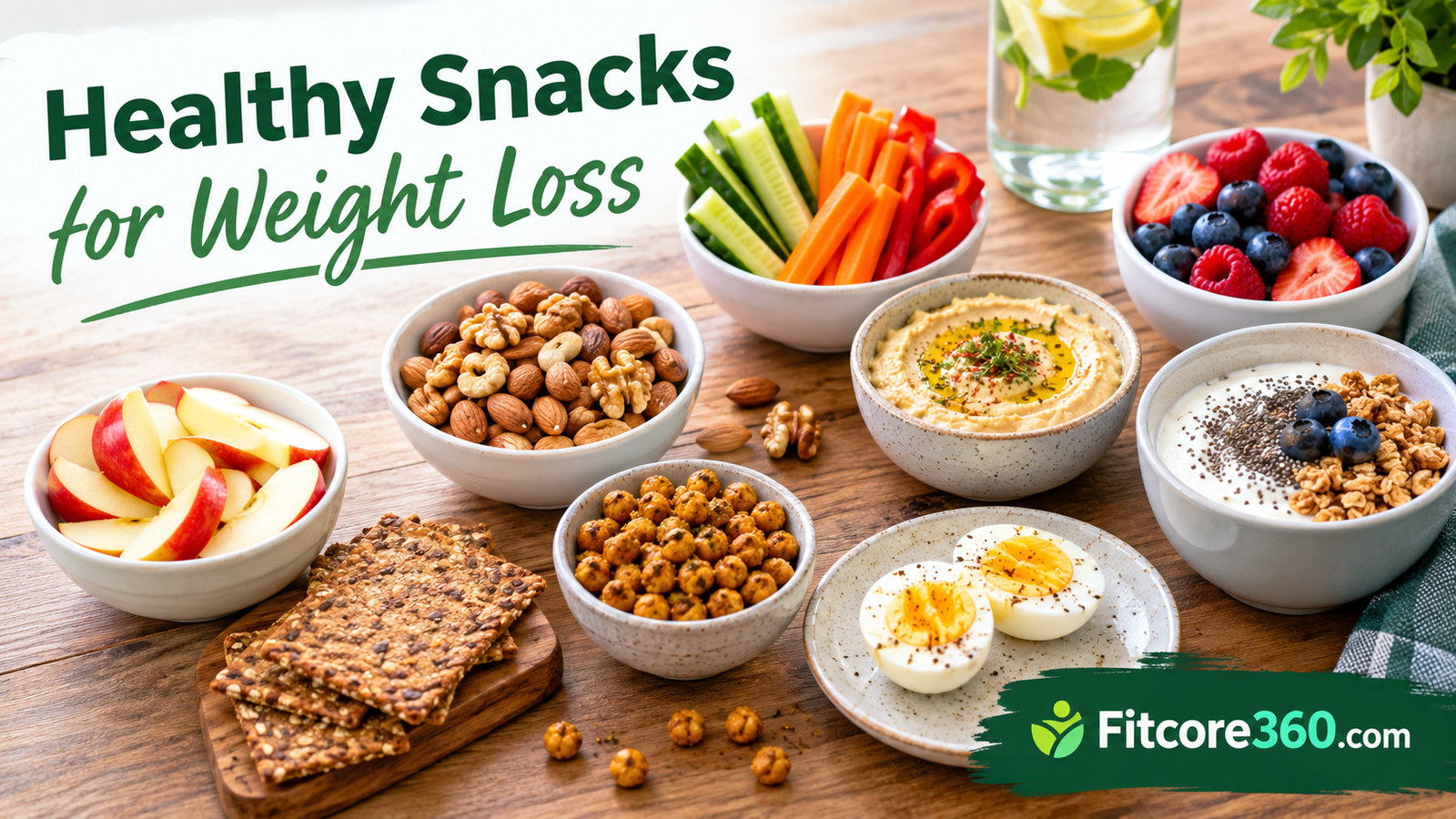
Best Snacks for Weight Loss: 15 Satisfying Picks That Actually Keep You Full
Smart, tasty, and portion-friendly snack ideas that curb cravings, support your goals, and make healthy eating easier to stick with.
Every weight loss journey hits the same wall sooner or later: the snack moment. It might arrive at ten in the morning, three in the afternoon, or ten at night, but it always shows up with a loud request for something crunchy, creamy, sweet, or salty. How you answer that request can quietly decide whether your week goes according to plan or sideways. Good news: you do not need to fight cravings with willpower alone. You need a handful of well-chosen snacks that satisfy you and fit your goals.
This guide is built around fifteen popular, easy-to-find options, from KIND bars and Quest bars to Chomps beef sticks, string cheese, chickpea puffs, chicken chips, pistachios, seaweed, and even spicy pickled okra. You will learn what makes each one worthwhile, where it falls short, and how to put everything together into a simple routine.
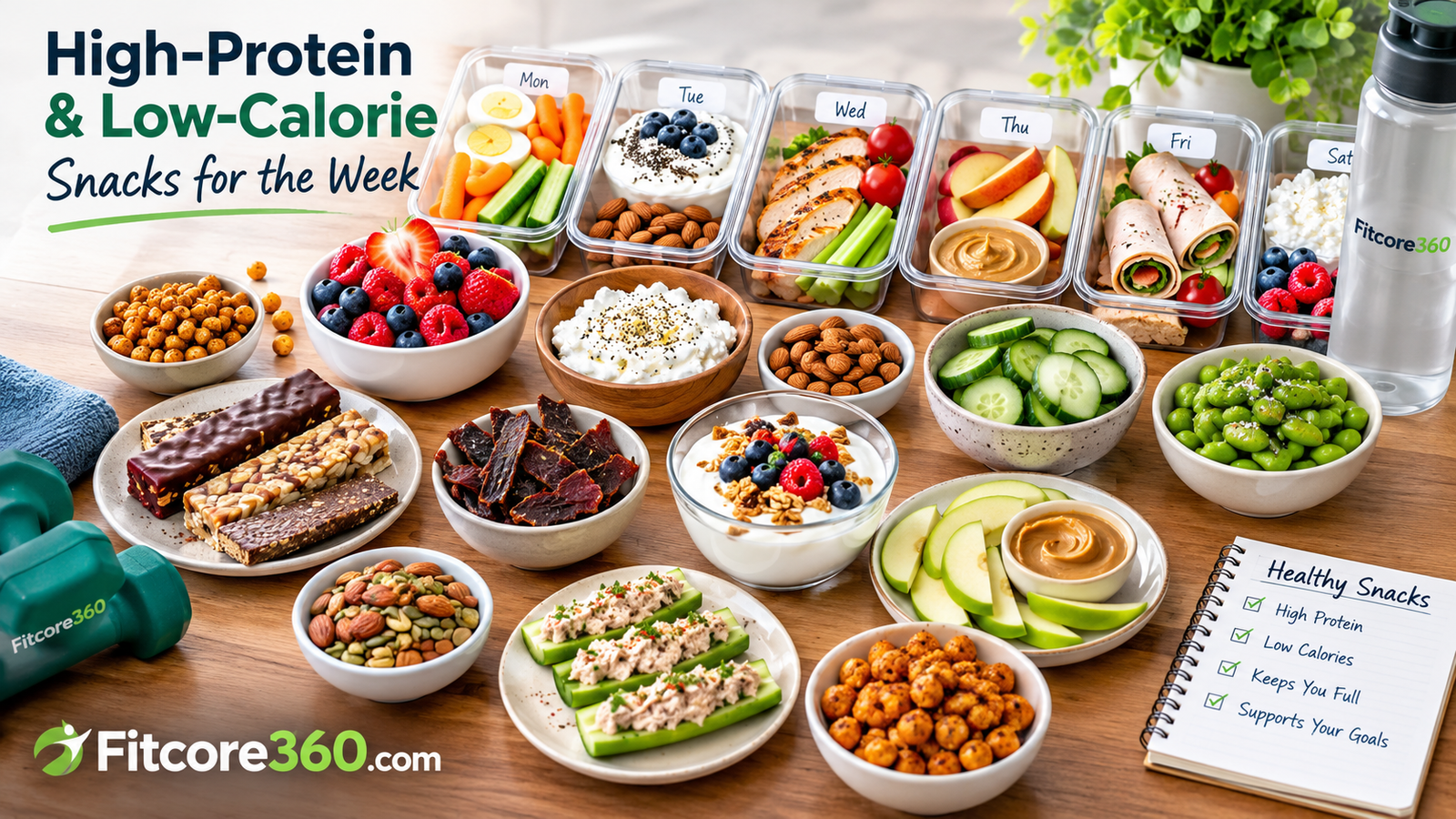
Why Snacks Can Make or Break a Weight Loss Plan
Snacking has a strange reputation. One camp insists that eating between meals is the quickest route to stalled progress, while the other swears that a well-timed snack is the only reason they survive the afternoon without raiding the pantry. The truth sits somewhere in the middle, and it depends almost entirely on what you reach for and why you reach for it.
Think about the typical mid-afternoon scenario. Lunch was a reasonable salad and a few hours ago you felt great. Now your focus is slipping, your stomach is making noise, and the vending machine down the hall suddenly looks like a reward. A cookie, a bag of chips, or a sugary coffee drink will solve the feeling for about twenty minutes, then leave you hungrier than before. A snack built around protein, fiber, and satisfying texture does something very different: it bridges the gap to dinner without sending your blood sugar on a roller coaster.
That is the real job of a weight loss snack. It is not a mini-meal and it is not a treat. It is a tool that keeps hunger manageable so you can stay in a modest calorie deficit without white-knuckling your way through the day. When you pick the right tools, consistency gets dramatically easier, and consistency is what actually drives results over months rather than days.
Hunger Is a Signal, Not an Enemy
Most people who struggle with weight loss are not lacking willpower. They are fighting biology. When you eat less than you burn, your body nudges you toward food through hunger hormones, cravings, and low energy. Smart snacks quiet that noise gently. Foods rich in protein tend to be more filling per calorie, and foods with fiber or a lot of volume slow digestion and physically fill the stomach. Combine those traits with a snack you genuinely enjoy and you get something sustainable.
What This Guide Covers
In this guide we walk through fifteen widely available snacks that fit a weight loss approach, from protein-forward options like beef sticks and string cheese to crunchy swaps like air-popped style popcorn and chickpea puffs. Each pick is explained honestly, including the downsides, because no single food is perfect for everyone. You will also find a side-by-side comparison, a practical framework for choosing snacks, common mistakes to avoid, and answers to the questions readers ask most.
If you are still figuring out your overall approach, it helps to understand the bigger picture first. Our breakdown of how nutrition affects your gym results explains why food choices often matter as much as the training itself, and snacks are one of the easiest places to make a positive change.
The Psychology Behind the Snack Spiral
Many snacking problems begin long before the snack itself. Poor sleep, long gaps between meals, and meals that are low in protein all make cravings louder later in the day. If you notice that your snack urges are strongest on days when you slept badly or skipped breakfast, the fix may be upstream. Better snacks help, but steady meals and decent rest make the whole system easier to manage.
It also helps to separate hunger from habit. Habit snacking happens at the same time every day regardless of appetite, such as the cookie that always follows coffee. Replacing a habit snack with a lighter option, like seaweed or a string cheese stick, keeps the ritual without the extra calories.
Browse popular weight loss snack bundles and variety packs in one place.
What Actually Makes a Snack Good for Weight Loss
Before we get to specific products, it is worth building a mental checklist. Labels are full of marketing, and words like “natural,” “wholesome,” and “lightly sweetened” tell you very little. A few measurable traits do most of the work.
1. Protein Per Calorie
Protein is the most satisfying macronutrient for most people, and it also supports the lean muscle you want to hold on to while losing fat. A useful rule of thumb is looking for snacks that deliver roughly eight to twenty grams of protein for a modest calorie cost. Beef sticks, string cheese, protein bars, and salmon pouches all live in this territory. Snacks with only one or two grams of protein can still be fine, but they need another feature, like high volume, to earn their place.
2. Fiber and Volume
Fiber slows digestion and adds bulk. Volume works through a different channel: foods that are airy or water-rich, such as popcorn or pickled vegetables, take up space in your stomach for very few calories. This is why a big bowl of popcorn can feel more generous than a small handful of crackers with the same calories.
3. Added Sugar
Added sugar is the sneakiest saboteur in the snack aisle. A bar that looks healthy can carry as much sugar as a candy bar. Look at the added sugar line and compare it to the protein line. If sugar beats protein by a wide margin, you are probably holding dessert in disguise.
4. Portion Structure
Many people overeat not because a food is unhealthy but because the package invites it. Single-serve packs, squeeze pouches, sticks, and individually wrapped wedges create a built-in stopping point. Several products in this list were chosen for exactly that reason.
5. Satisfaction and Texture
Crunch, creaminess, saltiness, and chewiness all affect how satisfied you feel. If you crave something crunchy and you eat a soft yogurt instead, you will often keep searching afterward. Matching the snack to the craving prevents the “I ate a healthy thing but I still want something” loop.
A Simple Scoring Table
| Trait | What to Look For | Why It Matters |
|---|---|---|
| Protein | 8–20 g for bars, sticks, and savory snacks | Increases fullness and protects muscle |
| Fiber | 3 g or more where relevant | Slows digestion and steadies energy |
| Added sugar | Low single digits when possible | Prevents spikes, crashes, and extra calories |
| Calories | Roughly 80–220 depending on the snack | Keeps snacks supportive rather than excessive |
| Portion control | Individually packed or easy to measure | Reduces mindless overeating |
| Enjoyment | Taste and texture you actually like | Makes the habit sustainable |
If protein bars are a regular part of your routine, you may also want to read our dedicated roundup of the best protein bars for weight loss, which goes deeper on that single category.
Search for high-protein, low-sugar snacks and check the labels against the checklist above.
Protein-Forward Snacks: Beef Sticks, String Cheese, Cheese Wedges, and Salmon
When hunger is the main problem, protein is usually the answer. This group of four snacks leans heavily on dairy, meat, and fish, which means they tend to be satisfying in small portions and travel well in a bag or desk drawer.
Chomps Original Beef Sticks
Chomps built its reputation on clean ingredient lists and a meaty snack stick that does not taste like gas station jerky. The original flavor is made from grass-fed beef with a short list of seasonings, and one stick delivers a substantial dose of protein for roughly the calories of a small piece of fruit. The texture is firm and savory, which makes it ideal for people who crave salty, chewy snacks.
Pros
- High protein for very few calories
- Minimal sugar and short ingredient list
- Shelf-stable and easy to toss in a bag
- Satisfies salty, savory cravings
Cons
- Sodium adds up if you eat several a day
- Costs more per snack than basic cheese
- Not suitable for vegetarians
Amazon Grocery String Cheese
String cheese is one of the most underrated weight loss snacks on the planet. Each stick is individually wrapped, naturally portion-controlled, and provides a decent amount of protein and calcium for a low calorie cost. The Amazon Grocery version is a budget-friendly way to stock your fridge, and it pairs nicely with fruit, nuts, or whole grain crackers if you want a more complete mini-meal.
Pros
- Inexpensive and widely available
- Perfect built-in portion
- Pairs well with fruit or veggies
Cons
- Needs refrigeration
- Saturated fat is higher than leaner proteins
- Flavor is mild, so some people get bored
The Laughing Cow Light Cheese Wedges
These creamy triangles are very low in calories, which makes them a clever spread rather than a stand-alone snack. Smear a wedge on cucumber slices, celery, or a rice cake and you get creamy, salty satisfaction for a tiny calorie cost. Because the protein is modest, pair them with something else if you need real staying power.
Pros
- Very low calorie per wedge
- Turns raw vegetables into something craveable
- Individually wrapped for portion control
Cons
- Lower protein than string cheese
- Processed texture is not for everyone
- Easy to eat several without noticing
Wild Planet Wild Pink Salmon Pouches
Salmon pouches may seem unusual as a snack, but they are one of the most nutritionally dense options on this list. You get high-quality protein along with healthy fats, and the pouch format means no can opener and no mess. Eat it straight, wrap it in a lettuce leaf, or spoon it onto cucumber rounds with a squeeze of lemon.
Pros
- Excellent protein and healthy fats
- Convenient pouch with no draining
- Works as a light lunch in a pinch
Cons
- Fishy smell at the office
- Not everyone enjoys the taste on its own
- Pricier than other protein options
How to Fit Protein Snacks Into a Busy Week
Protein snacks shine when you plan them. Keep string cheese and cheese wedges in a clear container at eye level in the fridge so they are the first thing you see. Store beef sticks and salmon pouches in your bag or desk, where hunger tends to strike. If you work from home, put one protein snack on the counter in the morning as a promise to your future self. These small environmental tweaks remove the friction that usually leads to takeout and vending machines.
Variety matters too. Eating the same snack every single day is a fast track to burnout, so rotate between dairy, meat, and fish throughout the week. A rotation also spreads out sodium and keeps your palate interested.
Grab beef sticks, string cheese, cheese wedges, and salmon pouches for a fridge-and-pantry protein lineup.
Snack Bars: KIND Dark Chocolate Nuts & Sea Salt and Quest Protein Bars
Bars are the most convenient snack category, and also the most deceptive. The wrapper art tends to promise health, yet the nutrition label often reveals a dessert wearing a gym outfit. The two bars below earn their spot because they take very different but reasonable approaches.
KIND Dark Chocolate Nuts & Sea Salt Bars
This is one of the best-known bars in the world for a reason. It is built from whole nuts held together with a little sweetener, then finished with dark chocolate and sea salt. You can actually see the almonds and peanuts, which feels more like real food than a processed block. The combination of healthy fats, some protein, and chewy crunch delivers genuine satisfaction, and the saltiness makes it feel indulgent without wandering into candy territory.
The trade-off is calories. Because nuts are energy dense, a KIND bar sits at the higher end of snack territory, so it works best as a planned snack rather than something you absentmindedly eat at your desk. Think of it as a small meal replacement for moments when you are running between commitments and genuinely need fuel.
Pros
- Whole nuts you can see and taste
- Satisfying mix of crunch, salt, and chocolate
- Lower sugar than many candy-style bars
- Easy to carry anywhere
Cons
- Moderate protein for the calories
- Calories are higher than many snacks
- Can be sticky and messy in warm weather
Quest Protein Bars
Quest took the opposite path. These bars are engineered for protein and low sugar, delivering a big protein dose with a lot of fiber and a relatively modest sugar count. They come in a huge range of flavors, from cookies-and-cream styles to peanut butter, so you can usually find one that satisfies a sweet craving without derailing your goals.
The chewy, dense texture is polarizing, and some people notice digestive effects from the fiber and sweeteners used. If you have not eaten sugar alcohols or added fibers before, start with half a bar and see how you feel. For many people, though, Quest is the most practical answer to the question, “What can I eat when I want something sweet and still need protein?”
Pros
- High protein for roughly the same calories as a small snack
- Low sugar with plenty of fiber
- Dozens of flavors to rotate
- Great post-workout option
Cons
- Texture is dense and chewy
- Some people experience bloating
- Tastes best when slightly warmed for a few seconds
KIND vs Quest at a Glance
| Feature | KIND Dark Chocolate Nuts & Sea Salt | Quest Protein Bar |
|---|---|---|
| Main strength | Whole-food feel, healthy fats | High protein, low sugar |
| Texture | Crunchy and nutty | Chewy and dense |
| Best for | Busy days, travel, hiking | Sweet cravings, post-workout |
| Watch out for | Higher calories | Digestive sensitivity |
| Ideal timing | Mid-afternoon fuel | After training or as dessert swap |
Want a wider comparison of options in this category? Our guide to the best protein bars for weight loss ranks several more contenders by protein, sugar, and taste.
Pick up a box of each and see which fits your cravings and your schedule.
Crunchy Savory Snacks: SkinnyPop, Hippeas, Biena, and Wilde Chicken Chips
Crunch is a craving category of its own. Many people do well on a weight loss plan right up until the moment they want something salty and crispy, then they open a family-size bag of chips. The four snacks below give you the sound and the satisfaction with better nutrition behind it.
SkinnyPop Popcorn
Popcorn is a whole grain, and when it is light on oil it is one of the highest-volume snacks you can eat. SkinnyPop keeps the ingredient list short, with popcorn, oil, and salt doing most of the work. A generous serving fills a bowl, which means you can snack slowly and actually feel like you are eating a lot. Because it is low in protein, pair it with a cheese stick or a handful of edamame if you want it to carry you further.
Pros
- Huge volume for the calories
- Whole grain with some fiber
- Light, crispy, and easy to portion
- Great for movie nights
Cons
- Low protein by itself
- Easy to eat straight from a large bag
- Salt can be heavy if you are sensitive
Hippeas Organic Chickpea Puffs (White Cheddar)
Hippeas are a lighter, crunchier cousin of cheese puffs made from chickpea flour. The white cheddar flavor is the classic crowd pleaser: tangy, salty, and a little cheesy without the neon orange dust. They offer more plant protein and fiber than conventional puffs, and they melt on the tongue in a way that feels playful and snacky. They are best treated as a measured snack rather than a grazing food.
Pros
- Cheesy flavor with plant-based protein
- Gluten-free and vegan-friendly
- Light texture that feels indulgent
Cons
- Moderate calories if you pour from the bag
- Protein is lower than meat or dairy snacks
- Can leave a seasoning dust on fingers
Biena Chickpea Snacks (BBQ)
Where Hippeas are airy, Biena is hard-crunch. These roasted chickpeas have a satisfying snap, and the BBQ seasoning gives a smoky-sweet edge that works wonderfully for people who miss barbecue chips. Chickpeas bring fiber and plant protein, which keeps you fuller than a typical crunchy snack. Because the crunch is dense, you naturally eat slower, which is a quiet advantage for portion control.
Pros
- High fiber and plant protein
- Intense crunch that slows you down
- Shelf-stable and portable
Cons
- Very hard texture may bother sensitive teeth
- Fiber can cause gas if you are not used to it
- Flavored coatings add sodium
Wilde Chicken Chips
Wilde chips are made primarily from chicken, which makes them a very unusual snack: a thin crispy chip with serious protein behind it. The flavors are bold, the texture is light, and the experience feels like eating chips rather than meat. For anyone who cannot give up chips but wants a more filling alternative, this is a strong option.
Pros
- Chip-like crunch with real protein
- Low in carbohydrates
- Excellent for savory cravings
Cons
- Pricier than most chips
- Flavors can be strongly seasoned
- Smaller bags disappear quickly
Making Crunchy Snacks More Filling
Crunchy snacks tend to be light, which is great for calories but less great for lasting fullness. The easiest upgrade is a pairing. Popcorn with a stick of string cheese, chickpea puffs with a few slices of turkey, or chicken chips with a side of cucumber and hummus-style dip all push the combination toward real satisfaction. You keep the sound and texture you crave while adding the protein or fiber that keeps hunger quiet.
Another trick is eating mindfully for the first few bites. Slowing down, noticing the flavor, and putting the snack in a bowl all shift the experience from mindless munching to deliberate enjoyment. People who eat this way are usually satisfied by a smaller portion.
Compare popcorn, chickpea snacks, and protein chips side by side.
Nuts and Nut Butters: Pistachios, Almonds, and Squeeze Packs
Nuts are some of the most nutritious foods you can eat, and some of the easiest to overeat. They are rich in healthy fats, fiber, and protein, but they are also energy dense. The solution is not to avoid them but to buy them in structured portions, which is exactly what the three picks in this section do.
Wonderful Pistachios No Shells (Individual Packs)
Pistachios have a clever advantage: when you buy them in shells, you slow yourself down and see the pile of discarded shells as visual feedback. The no-shell individual packs remove that friction, so the portion packaging does the work instead. Each pack gives you a satisfying handful of protein, fiber, and healthy fats, with a salty flavor that scratches the chip itch. They work well in a bag, at your desk, or on a road trip.
Pros
- Nutrient-dense with protein and fiber
- Individual packs prevent overeating
- Salty and satisfying
Cons
- Calories add up quickly if you eat two packs
- Salted versions raise sodium
- More expensive than bulk nuts
Blue Diamond Almonds Snack Packs
Almonds are the classic diet snack for good reason. They contain fiber, vitamin E, and a good dose of monounsaturated fat, and they are filling enough to quiet hunger between meals. Snack packs give you a pre-measured amount, which is helpful because a casual handful from a canister can easily double in size. Choose lightly salted or smokehouse options if you want flavor without sugary coatings.
Pros
- Heart-healthy fats and fiber
- Portable single-serve format
- Very shelf-stable
Cons
- Flavored varieties can include sugar
- Energy dense, so one pack is enough
- Can feel repetitive after a while
Justin’s Classic Almond Butter Squeeze Packs
These squeeze packs are portable almond butter without the knife and jar. They are fantastic with apple slices, banana, celery, or a rice cake, and they supply creamy richness that makes healthier foods feel like a treat. The caveat is that nut butter is concentrated, so a single pack is a snack by itself, and pairing it with fruit or vegetables helps you feel like you are eating more.
Pros
- Rich flavor with healthy fats
- Elevates fruit and vegetables
- Perfect single-serve portions
Cons
- High in calories for the volume
- Moderate protein only
- Requires pairing for best results
Why Portion Packaging Matters
Research on eating behavior consistently shows that the more food you can see and reach, the more you tend to eat. Individual packs create a pause point, and that pause is where decisions happen. If you have ever finished half a jar of nuts without noticing, you already understand why single-serve packs are worth paying a little more for.
For fruit pairings that complement nut butter beautifully, check out our list of the best fruits for weight loss, which includes easy options like apples, berries, and pears.
Stock up on single-serve pistachios, almonds, and nut butter packs.
Low-Calorie, High-Volume Picks: Gimme Seaweed and Wickles Wicked Okra
Not every weight loss snack needs to be dense with protein. Sometimes the best strategy is eating something extremely light that gives you flavor, crunch, and the feeling of eating without costing many calories. These two snacks are the most unusual on the list, and for the right person, they are game changers.
Gimme Organic Roasted Seaweed Snacks
Seaweed sheets are paper-thin, crispy, and salty, with a savory umami flavor that feels like eating chips made from the ocean. A full pack contains very few calories, which makes it one of the lowest-calorie snacks you can buy. You can eat them straight, crumble them over rice or eggs, or wrap them around a piece of string cheese or sushi-style vegetables for a more filling combination.
The experience is more about flavor than fullness. If you need real satiety, pair seaweed with protein or whole grains. If you want a guilt-free crunchy snack during an evening routine, it is hard to beat.
Pros
- Extremely low in calories
- Savory, salty, and crunchy
- Convenient single-serve trays
- Great as a topper for meals
Cons
- Not very filling alone
- Flavor is an acquired taste for some
- Delicate sheets crumble easily
Wickles Wicked Okra
Wickles is a Southern-style brand famous for sweet-and-spicy pickles, and the okra version is a surprisingly good snack. Pickled okra is crunchy, tangy, and low in calories, and the spicy-sweet brine creates a flavor intensity that satisfies cravings quickly. Because the okra is a vegetable, it contributes some fiber, and the vinegar gives your palate something exciting to focus on.
Check the label for sugar, since Wickles products lean sweet by pickle standards. A few spears go a long way, and they pair brilliantly with cheese cubes, deli turkey, or chicken salad. Keep the jar in the fridge and treat it like a flavor booster rather than a main snack.
Pros
- Low calorie with bold flavor
- Crunchy, tangy, and spicy
- Works with protein pairings
- Different from typical snack foods
Cons
- Brine is high in sodium
- Sweetness varies by product
- Not satisfying alone for most people
Using Volume to Your Advantage
Volume eating is a simple principle: choose foods that contain a lot of water or air, because they fill your stomach for fewer calories. Cucumbers, berries, popcorn, broth-based soups, and pickled vegetables all follow this approach. Combine volume foods with a source of protein and you get a snack that satisfies both your stomach and your brain.
Who Benefits Most From Low-Calorie Snacks?
People with smaller calorie targets, those in the late stages of a diet, and anyone who snacks mainly out of habit tend to get the most value from seaweed, pickled vegetables, and cheese wedges. If you already eat enough protein at meals, these options let you satisfy the urge to munch without pushing your total much higher. If you are very active or struggle with fullness, treat them as flavor boosters layered on top of a more substantial snack.
Explore seaweed snacks and spicy pickled okra for low-calorie crunch.
All 15 Snacks Compared Side by Side
With so many options, a visual comparison helps. The table below summarizes the personality of each snack, what it is best at, and who should consider it. Nutrition varies by flavor and package size, so always check the label on the exact product you buy.
| Snack | Main Strength | Best For | Watch Out For |
|---|---|---|---|
| KIND Dark Chocolate Nuts & Sea Salt | Whole nuts, healthy fats | Busy days, travel | Higher calories |
| Gimme Roasted Seaweed | Very low calorie | Evening crunch | Low satiety |
| Hippeas Chickpea Puffs | Cheesy plant-based crunch | Cheese puff lovers | Easy to overpour |
| Biena Chickpea Snacks | Fiber, hard crunch | Slow, mindful snacking | Hard on teeth |
| Amazon Grocery String Cheese | Cheap, portioned protein | Everyday fridge staple | Needs refrigeration |
| Chomps Original Beef Sticks | High protein, low sugar | Hunger control | Sodium |
| Quest Protein Bars | High protein, sweet flavors | Dessert swap, post-workout | Digestive sensitivity |
| SkinnyPop Popcorn | High volume | Big-bowl cravings | Low protein |
| Wonderful Pistachios (packs) | Fats, fiber, portion packs | Desk or car snack | Calorie density |
| Blue Diamond Almond Packs | Classic heart-healthy fat | Pre-measured nut fix | Flavored sugar |
| Wilde Chicken Chips | Chip texture with protein | Chip cravings | Price |
| Justin’s Almond Butter Packs | Creamy richness | Pairing with fruit | Calorie density |
| Wild Planet Pink Salmon Pouches | Protein and omega-3 fats | Light lunch or savory snack | Strong smell |
| Wickles Wicked Okra | Tangy, spicy, low calorie | Flavor boost | Sodium and sweetness |
| The Laughing Cow Light Wedges | Creamy and very light | Veggie spread | Low protein |
Best Picks by Goal
| Your Goal | Top Choices |
|---|---|
| Maximum fullness | Chomps beef sticks, string cheese, salmon pouches |
| Lowest calories | Gimme seaweed, Wickles okra, Laughing Cow wedges |
| Sweet craving | Quest bars, KIND bars with fruit |
| Salty crunch | SkinnyPop, Biena, Wilde chips |
| On the go | Pistachio packs, almond packs, KIND bars |
| Budget friendly | String cheese, popcorn, almond packs |
How to Narrow Down Your Favorites
Start by choosing three snacks from different categories: one protein, one crunchy, and one sweet. Rotate them for two weeks and pay attention to how you feel two hours after eating. If you are hungry again within an hour, that snack lacks staying power for you. If you feel satisfied and calm, keep it in the lineup. This simple experiment teaches you more than any ranking can.
It also helps to remember that your body, your schedule, and your training load differ from anyone else’s. If you lift weights or run regularly, you may need more fuel than a sedentary desk worker. Our guide to the impact of nutrition on gym results is useful for matching intake to training demands.
Matching Snacks to Dietary Preferences
Different eating styles call for different choices. Vegetarians can lean on string cheese, cheese wedges, chickpea snacks, popcorn, nuts, and seaweed. People limiting carbohydrates often favor beef sticks, chicken chips, nuts, and cheese. Those watching sodium should check seaweed, pickled okra, and flavored nuts carefully and rotate in lower-salt options like plain almonds or fresh fruit. Anyone with allergies should read each label closely, since tree nuts, dairy, fish, and peanuts appear in many of these products.
Grab a variety pack to test several of these snacks before committing to bulk.
How to Build a Snack Plan That Fits Your Day
Choosing good snacks is only half the battle. The other half is deciding when, how often, and in what combinations you eat them. A plan removes decisions, and fewer decisions means fewer chances for impulse choices.
Step One: Identify Your Danger Zones
Most people have one or two predictable moments when cravings spike. For some it is mid-morning, for others it is the late afternoon slump, and for many it is the hour after dinner. Write down when you usually reach for food outside meals. Those are the moments your snack plan must cover, and you can ignore the rest.
Step Two: Match the Snack to the Moment
A mid-morning gap before lunch calls for protein, like string cheese or a beef stick. The afternoon slump often responds to a combination of fiber and healthy fat, such as almonds with fruit. An evening craving usually wants something crunchy and low calorie, like popcorn or seaweed. Matching the snack to the situation prevents the all-too-common cycle of eating the wrong thing for the wrong reason.
Step Three: Pre-Portion Everything
On Sunday evening, spend ten minutes dividing bulk snacks into small containers or bags. Pre-portioning takes advantage of how people actually eat: we tend to finish whatever is in front of us. Leave bigger packages out of sight and keep single servings visible.
A Sample Day
| Time | Snack Idea | Why It Works |
|---|---|---|
| Mid-morning | String cheese and a small apple | Protein plus fiber until lunch |
| Mid-afternoon | Chomps beef stick with Biena chickpeas | Savory protein and crunch |
| Pre-workout | KIND bar or almond butter pack with banana | Quick fuel with healthy fat |
| Post-workout | Quest bar or salmon pouch with crackers | Protein for recovery |
| Evening | SkinnyPop or Gimme seaweed | Low-calorie crunch for TV time |
Keep Snacks Where You Are
Place snacks in your car, gym bag, desk drawer, and backpack. Hunger rarely arrives when you are standing in your kitchen. If you have a smart option within reach, you are less likely to stop at a drive-through. Setting up your environment is far more powerful than relying on willpower in the moment.
If you train at home, stocking your workout space with a few grab-and-go snacks is a smart habit. Our home gym setup guide covers how to organize a space that makes consistency easy, and a small shelf or mini-fridge for recovery snacks fits right in.
Adjusting Your Plan Over Time
No snack plan stays perfect forever. Appetite changes with stress, sleep, training load, and even the season. Check in with yourself every couple of weeks. If you are consistently hungry, add a protein snack. If you are rarely hungry between meals, drop one of the snacks. Treat the plan as a flexible tool instead of a rule, and you will find it easier to maintain through travel, holidays, and busy stretches.
Find reusable snack containers and portion packs to make Sunday prep fast.
Common Snacking Mistakes That Stall Weight Loss
Even with the right products, certain habits quietly erase progress. Watching for these pitfalls can save you weeks of frustration.
Mistake 1: Trusting the Front of the Package
Claims like “high protein,” “keto friendly,” and “made with real fruit” are marketing. The back label tells the truth. Compare calories, protein, fiber, added sugar, and serving size before you toss anything into your cart.
Mistake 2: Ignoring Serving Sizes
A bag that looks like one serving may contain two or three. If you eat the entire bag, multiply every number on the label. This is especially common with popcorn, nuts, and chickpea snacks.
Mistake 3: Eating Straight From the Bag
Distracted snacking is one of the largest sources of unnoticed calories. Pour a portion into a bowl, put the bag away, and sit down. It sounds simple, but it works.
Mistake 4: Treating Healthy Snacks as Unlimited
Nuts, nut butters, and bars are nutritious but dense. Calling something healthy does not remove calories from it. The same advice applies to “better for you” chips and puffs.
Mistake 5: Snacking Out of Boredom or Stress
Ask yourself a quick question before eating: am I hungry, or am I bored, tired, or stressed? If you are not physically hungry, a glass of water, a short walk, or a five-minute stretch might meet the real need. Emotional snacking is human, but noticing it is the first step to managing it.
Mistake 6: Skipping Meals Then Overcompensating
Skipping lunch to save calories usually backfires. By late afternoon you are starving and your choices get worse. Regular meals with protein reduce the pressure on snacks to rescue the day.
Mistake 7: Forgetting Liquid Calories
Sweetened coffee drinks, juices, and sodas often contain more sugar than the snack you are trying to improve. Evaluate the whole picture, not just the item in your hand.
Search for lower-sugar, higher-protein snacks to replace common trouble foods.
Snacking Around Workouts, Cardio, and Recovery
Exercise changes how you should think about snacks. If you are lifting, running, or doing high-intensity workouts, your body needs fuel before and nutrients afterward. Cutting snacks too aggressively can hurt performance and recovery, which defeats the purpose of training in the first place.
Before You Train
A light snack thirty to sixty minutes before a workout can improve energy and focus. Aim for easily digested carbohydrates with a little protein and minimal fat. A banana with a squeeze pack of almond butter works well, as does a small KIND bar if your stomach tolerates it. Avoid high-fiber or very high-fat options right before intense sessions, since they can cause discomfort.
After You Train
Within a couple of hours after exercise, prioritize protein. A Quest bar, a salmon pouch with crackers, or a couple of beef sticks all deliver amino acids to support muscle repair. If you finished a hard session and feel ravenous, a more substantial snack is entirely appropriate, and you should not feel guilty about it.
Cardio Days vs Strength Days
Long cardio sessions burn more energy, and you may need slightly more carbohydrates on those days. Strength sessions benefit from adequate protein. If you use machines at home, such as the ones in our guide to the best ellipticals for home, consider timing a snack roughly an hour before your session to keep energy steady.
High-Intensity Intervals and Conditioning
Short, intense workouts like rope intervals are demanding, and training on an empty stomach can make them feel brutal. If you enjoy conditioning, try our 20-minute battle rope HIIT workout and fuel with a light snack beforehand. For a broader look at calorie burn, see how battle ropes compare with jump ropes.
Do Not Out-Snack Your Workout
Exercise burns fewer calories than most people expect, and snacks add them back quickly. A 200-calorie bar can cancel out a large portion of a moderate workout. That does not mean you should avoid fueling, only that you should be honest about portions and intentional about timing.
Hydration Counts
Thirst is easily mistaken for hunger. Drinking water before and after workouts supports performance and may reduce unnecessary snacking. If you enjoy recovery routines, our article on what science says about cold plunges explores one popular approach that many people pair with post-workout nutrition.
Browse pre-workout and recovery snacks designed for active people.
Smart Shopping, Label Reading, and Budget Tips
Healthy snacks can get expensive quickly, so shopping strategy matters. A few habits can cut your costs while improving the quality of what you buy.
Read the Label in Four Steps
First, check the serving size and how many servings are in the package. Second, look at calories per serving. Third, compare protein, fiber, and added sugar. Fourth, scan the ingredient list, where shorter is usually better. This process takes under a minute and quickly becomes automatic.
Buy Variety Packs Before Committing
Flavors are subjective. A bar that your friend loves might taste like chalk to you. Variety packs allow you to test several options and then buy larger quantities of the winners. This approach prevents wasting money on a case of something you will not finish.
Subscribe or Buy in Bulk on Favorites
Once you know what you like, buying in bulk almost always lowers the cost per snack. Shelf-stable items like bars, nuts, popcorn, chickpea snacks, and seaweed are ideal for stocking up. Perishables like string cheese and wedges should be bought in amounts you will use within a few weeks.
Budget Ranking
| Budget Level | Snacks | Notes |
|---|---|---|
| Low cost per snack | String cheese, popcorn, almonds | Simple staples, easy to buy in bulk |
| Medium cost | KIND bars, Quest bars, pistachio packs, Hippeas | Convenient and popular |
| Higher cost | Wilde chips, Wild Planet salmon, Justin’s packs | Premium ingredients and convenience |
Storage Tips
Keep nuts, bars, and chips in cool, dry places. Refrigerate cheese products and open pouches. Seal partially eaten bags to preserve crunch. If something loses its crispness, popping it in a warm oven for a few minutes can bring it back to life.
Think Beyond the Snack Aisle
Packaged snacks are convenient, but whole foods deserve a place in your routine. Fresh fruit, raw vegetables, plain yogurt, and hard-boiled eggs cost little and offer excellent nutrition. Our list of the best fruits for weight loss offers inspiration for simple, whole-food options that pair well with the packaged snacks in this guide.
If you are building a complete healthy lifestyle from the ground up, you may also enjoy our guide to the best all-in-one home gyms, since snacks work best when they are part of a bigger plan that includes regular movement.
A Quick Pantry Starter List
If you want a simple starting point, buy one protein snack (string cheese or beef sticks), one crunchy option (popcorn or chickpea snacks), one portioned fat source (pistachio or almond packs), and one low-calorie flavor snack (seaweed or pickled okra). That four-item core covers almost every craving and costs far less than trying everything at once. Add bars and specialty items once you know what you love.
Compare prices on bulk boxes of your favorite weight loss snacks.
Frequently Asked Questions
What is the best snack for weight loss overall?
There is no single winner, but protein-forward snacks like string cheese, beef sticks, and Greek yogurt-style options are popular because they keep you full. Pair them with a high-volume food like fruit or vegetables for the best staying power.
How many calories should a weight loss snack have?
Most people do well with snacks between roughly 80 and 200 calories, adjusted for their overall daily goal, activity level, and hunger. Highly active people may need more, while smaller portions suit those with lower calorie needs.
Are protein bars good for weight loss?
They can be, as long as you choose bars with solid protein, modest sugar, and calories that fit your plan. Some bars are basically candy, so read the label carefully. Bars like Quest emphasize protein and fiber, while KIND focuses on whole nuts.
Is popcorn a healthy snack for weight loss?
Yes, when it is lightly seasoned and not drenched in butter. Popcorn is a whole grain with a lot of volume, so you get a large portion for relatively few calories. Add a protein snack alongside it if you want more staying power.
Are nuts too high in calories for weight loss?
Nuts are calorie dense but also filling, and they contain healthy fats and fiber. Portion control is the key, so single-serve packs of pistachios or almonds are a smart way to enjoy them without overeating.
Can I snack at night and still lose weight?
Yes. What matters most is your overall daily intake and the quality of your choices. Low-calorie, crunchy options like seaweed or popcorn, or a protein snack like string cheese, can prevent late-night overeating.
How often should I snack when trying to lose weight?
It depends on your hunger and schedule. Some people thrive on one or two planned snacks per day, while others prefer none. Snack when you are genuinely hungry, and choose options that support your goals.
Are chickpea snacks healthy?
Chickpea-based snacks such as Hippeas and Biena offer fiber and plant protein, making them more filling than many conventional chips or puffs. Watch the serving size and sodium, and choose flavors with limited added sugar.
Are chicken chips and beef sticks good for a low-carb diet?
Generally yes. Both are high in protein and low in carbohydrates, though flavors and brands vary. Check labels if you are following a strict low-carb or keto approach.
Do sugar alcohols in protein bars cause problems?
Some people experience bloating or digestive discomfort from sugar alcohols and added fibers. If you are sensitive, try half a bar at first, drink water, and see how your body reacts.
What are the best portable snacks for work or travel?
Individually packed pistachios, almond packs, KIND bars, beef sticks, seaweed trays, and nut butter squeeze packs all travel well without refrigeration. They fit easily in bags and desk drawers.
Should I talk to a professional before changing my diet?
If you have a medical condition, take medication, are pregnant, or have specific dietary needs or allergies, speak with a doctor or registered dietitian before making major changes. This article is for general information only and is not medical advice.
Final Thoughts
Losing weight does not require giving up snacks. It requires choosing snacks that work for you instead of against you. The fifteen options in this guide cover every kind of craving, from the cheesy crunch of Hippeas and the smoky snap of Biena chickpeas to the creamy richness of Justin’s almond butter packs, and from the protein punch of Chomps and Wild Planet salmon to the featherweight crispness of Gimme seaweed and SkinnyPop.
The strategy is straightforward. Pick a few favorites from different categories, pre-portion them, match each one to the moment you tend to get hungry, and pair protein with volume whenever possible. Read labels with a skeptical eye, watch your portions, and give yourself permission to enjoy what you eat. Progress comes from the habits you can keep for months, and a snack drawer you love is one of the easiest habits to maintain.
Start small. Choose three snacks from this list, stock them this week, and notice how you feel. Adjust from there. Your future self, comfortably full at 3 p.m. and not raiding the vending machine, will thank you.
Build your own weight loss snack lineup today with the best-rated options on Amazon.
You May Also Like
Keep exploring more training, recovery, and nutrition guides from FitCore360.
As an Amazon Associate we earn from qualifying purchases. This article is for general information only and is not medical or nutritional advice. Consult a qualified professional about your personal needs.