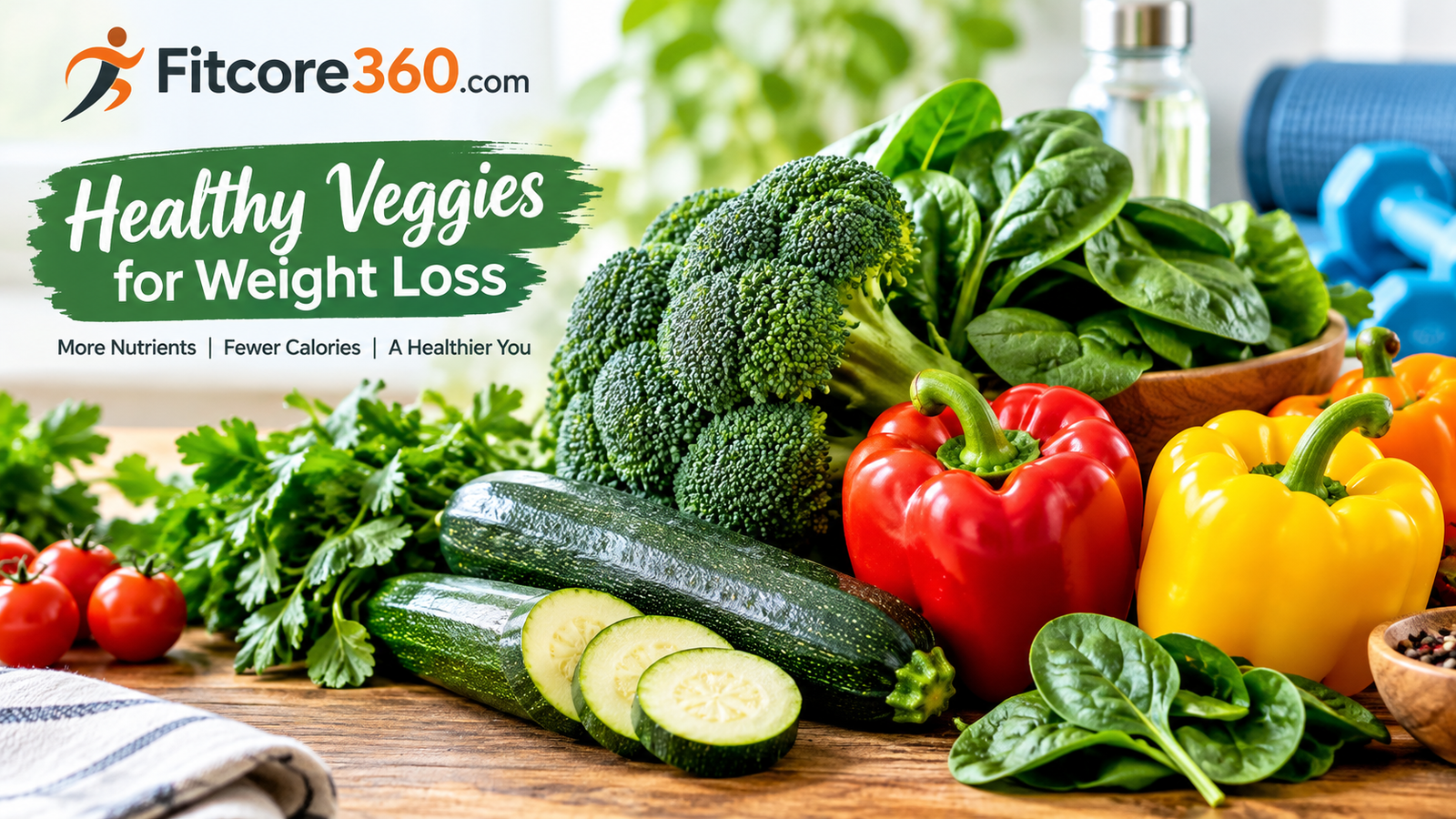
Best Vegetables for Weight Loss: The Complete, Practical Guide
Which vegetables actually help you feel full on fewer calories, how to cook them so you enjoy them, and how to build meals around them without feeling like you’re on a diet.
If you’ve ever stood in the produce aisle wondering which vegetables are actually worth your money when you’re trying to lose weight, you’re asking exactly the right question. Vegetables are the closest thing nutrition has to a free lunch. They are physically large, packed with water and fiber, loaded with vitamins and minerals, and remarkably low in calories for the amount of food you get to put on your fork. A big bowl of roasted broccoli and a handful of crackers might contain a similar number of calories, but only one of those leaves you comfortably full for the next three hours.
Still, not every vegetable plays the same role. Some are almost pure water and crunch. Some are fiber powerhouses. Some are naturally sweet and satisfy dessert cravings. A few, like corn and white potatoes, sit in a gray zone where portion size matters far more than most people realize. Knowing the difference is what turns a vague intention to “eat more veggies” into a repeatable strategy.
This guide walks you through the best vegetables for weight loss, why each one earns its place, how to prepare them so they taste good, and how to fit them into real life. You’ll find comparison tables, pros and cons, practical cooking methods, meal-building templates, and honest cautions. If you’re building a broader eating plan, you may also like our guides to the best fruits for weight loss and the best snacks for weight loss, which pair nicely with everything below.
1. Why Vegetables Work So Well for Fat Loss
Weight loss, at its simplest, comes down to eating fewer calories than your body uses over time. The challenge is that cutting calories usually means cutting food, and cutting food usually means feeling hungry. Vegetables solve a surprisingly large part of that problem, and the reasons are worth understanding because they help you make better choices at the grocery store and the dinner table.
Low energy density: more food, fewer calories
Energy density describes how many calories are packed into a given weight of food. A cup of raw spinach has roughly seven calories. A cup of cooked pasta has over two hundred. Because vegetables are mostly water, they take up a lot of room on the plate and in your stomach while contributing very little energy. Research on eating patterns has consistently found that people who build meals around low-energy-density foods tend to eat fewer total calories without reporting greater hunger. In other words, you don’t need willpower when the food itself does the heavy lifting.
Fiber slows things down
Most vegetables supply both soluble and insoluble fiber. Soluble fiber forms a gel in your digestive tract that slows stomach emptying, which is one reason a meal with plenty of vegetables keeps you satisfied for longer. Insoluble fiber adds bulk and supports regular digestion. Together they smooth out the blood sugar spikes that often trigger cravings an hour after a refined-carb meal. Most adults fall well short of recommended fiber intake, so vegetables are one of the easiest places to close that gap.
Chewing, volume, and the slow-eating effect
There’s also a behavioral side. Crunchy, fibrous vegetables take time to chew. That naturally slows your eating pace, giving your fullness signals a chance to catch up with your fork. Many people who struggle with overeating discover that simply starting a meal with a salad or a bowl of vegetable soup reduces how much of the higher-calorie main course they want.
Micronutrients protect your energy and training
When you eat less, it becomes easier to fall short on vitamins and minerals. Vegetables deliver potassium, magnesium, folate, vitamin C, vitamin K, and a long list of plant compounds, all for very few calories. That matters if you’re lifting, running, or following any structured training. Your body recovers better and your energy holds steadier when nutrient needs are met. If you’re curious how food quality shapes your results in the gym, our article on how nutrition affects gym results goes deeper.
They make a sustainable plan possible
The best diet is the one you can follow for months, not days. Vegetables let you eat generous portions, so a calorie deficit feels less like deprivation. They’re also endlessly flexible: roasted, raw, blended into soup, riced, spiralized, grilled, or tucked into eggs and wraps. That variety is what keeps people from burning out.
- Very high volume for very few calories
- Fiber that supports fullness and steadier blood sugar
- Chewing time that slows eating pace
- Vitamins, minerals, and plant compounds that support training and recovery
- Endless preparation options that prevent boredom
Make eating more vegetables easier. A good set of kitchen tools removes most of the friction.
Shop Vegetable Prep Tools on Amazon2. How We Ranked These Vegetables
“Best” can mean a lot of things, so it helps to be transparent about the criteria. We looked at each vegetable through five practical lenses rather than chasing a single trendy metric.
- Calories per serving: Lower is generally better for fat loss, but only if the food is also satisfying.
- Fiber content: Higher fiber means more fullness per calorie.
- Water content and volume: Foods that are mostly water fill the plate and the stomach.
- Nutrient density: You want vitamins, minerals, and plant compounds, not just empty bulk.
- Real-world enjoyability: A vegetable you hate will never make it into a long-term plan, so taste, texture, and versatility count.
Based on those factors, here’s the quick snapshot of how the main categories stack up. We’ll explore every one in depth over the next several sections.
| Category | Examples | Main Weight-Loss Strength | Best For |
|---|---|---|---|
| Leafy greens | Spinach, kale, arugula, romaine | Almost no calories, huge volume | Salads, wraps, smoothies, sauteed sides |
| Cruciferous | Broccoli, cauliflower, cabbage, Brussels sprouts | High fiber and strong satiety | Roasting, stir-fries, carb swaps |
| High-water | Cucumber, celery, zucchini, tomato | Hydrating and ultra-low calorie | Snacking, noodles, cold salads |
| Starchy (smart portions) | Sweet potato, carrots, beets, peas, squash | Filling and naturally sweet | Replacing refined carbs |
| Flavor builders | Peppers, onions, garlic, mushrooms, asparagus | Add big flavor with few calories | Cutting added fat and sauces |
Notice that no vegetable is “bad” here. Even the starchy ones are far better choices than most processed carbohydrates. The goal isn’t to eat only the lowest-calorie options but to understand how to use each type strategically.
Want to measure portions with confidence? A digital kitchen scale takes the guesswork out of tracking.
Check Kitchen Scales on Amazon3. Leafy Greens: The Lowest-Calorie Volume You Can Buy
If you want the biggest possible plate for the smallest possible calorie cost, leafy greens are where you start. Most deliver somewhere between five and thirty calories per cup, while supplying vitamin K, vitamin A, folate, and a wide range of antioxidants. They also happen to be the easiest vegetables to eat raw, which means almost no cooking required.
Spinach
Spinach is the everyday workhorse. It’s mild enough to disappear into smoothies, eggs, soups, and pasta sauces, yet nutritious enough to count as a genuine upgrade to almost any dish. Raw spinach wilts down dramatically, so a giant bag becomes a single serving once it hits the pan. That’s a handy trick: sauteing a few big handfuls with garlic gives you a side dish that costs next to nothing in calories. Spinach is also a solid source of iron and magnesium, both of which matter for active people.
Kale
Kale is chewier and more fibrous than spinach, which actually works in your favor for fullness. It has a reputation for being bitter and tough, but a few simple tricks fix that. Remove the thick stems, massage the leaves with a little lemon juice and olive oil for a minute, and the texture softens beautifully. Baked into crispy chips with a light spray of oil and sea salt, kale becomes a legitimate crunchy snack.
Arugula
Arugula brings a peppery bite that makes simple meals feel restaurant-quality. Because the flavor is so assertive, you can use less dressing and still enjoy a salad. Pile it on pizza, sandwiches, grain bowls, or grilled chicken right as it comes off the heat.
Romaine and other lettuces
Romaine is crisp, hydrating, and sturdy enough to serve as an edible wrap or taco shell. Swapping a tortilla for a large romaine or butter lettuce leaf can save well over a hundred calories per serving. Iceberg gets unfairly dismissed; it’s lower in nutrients than darker greens, but its crunch and water content still make it a legitimate volume food.
Swiss chard, collards, and bok choy
These sturdier greens are fantastic in soups, braises, and stir-fries. Collards make excellent wrappers, chard stems add color and texture when sauteed, and bok choy cooks in about three minutes, which makes it a perfect weeknight option.
Tips for eating more leafy greens
- Start dinner with a large salad before the main course.
- Blend a big handful of spinach into a fruit smoothie; you’ll barely taste it.
- Stir chopped greens into soups, chili, and pasta sauce in the last few minutes of cooking.
- Use lettuce leaves as wraps in place of bread or tortillas.
- Keep pre-washed greens visible in the fridge so you actually use them.
Pros
- Extremely low in calories
- Rich in vitamins K, A, and folate
- Quick to prepare or no cooking at all
- Easy to hide in other dishes
Cons
- Spoil quickly if not stored properly
- Low in protein and fat, so pair them with both
- Vitamin K content matters if you take warfarin
Keep greens fresh longer. A salad spinner and good storage containers stop wilted, slimy leaves.
Browse Salad Spinners on Amazon4. Cruciferous Vegetables: Fiber and Fullness Champions
The cruciferous family, which includes broccoli, cauliflower, cabbage, Brussels sprouts, kohlrabi, and radishes, earns a permanent spot on almost every weight-loss shopping list. These vegetables are fibrous, filling, and versatile. They also contain sulfur-based compounds called glucosinolates that give them their distinct aroma and have been widely studied for their general health benefits.
Broccoli
Broccoli is arguably the single most reliable vegetable for weight loss. A full cup of chopped florets contains only about thirty calories but offers around two to three grams of fiber, plus vitamin C, vitamin K, and folate. It also works with nearly every cooking method. Roast it at high heat until the edges char and the flavor turns nutty and sweet, which converts many “I hate broccoli” skeptics. Steamed broccoli with lemon and a little parmesan is another dependable choice.
Cauliflower
Cauliflower is the great impersonator. Riced, it stands in for white rice. Mashed, it replaces potatoes. Roasted whole or in steaks, it becomes a hearty centerpiece. If you currently eat a lot of refined carbohydrates, switching even half of your rice or mash to cauliflower can cut hundreds of calories over a week. If you’re comparing grains, take a look at our breakdown of the best rice for weight loss and consider mixing cauliflower rice with a smaller portion of the real thing for a satisfying compromise.
Brussels sprouts
Brussels sprouts have more fiber and protein than most vegetables their size, and they’ve shed their old boiled-and-bland reputation thanks to roasting. Halve them, toss with a little olive oil and salt, and roast until deeply browned. A splash of balsamic vinegar or a squeeze of lemon at the end makes them irresistible.
Cabbage
Cabbage might be the most underrated vegetable in the grocery store. It’s cheap, lasts for weeks in the refrigerator, and is very low in calories with a good amount of fiber. Shredded raw, it makes crunchy slaws and taco toppings. Cooked, it melts into soups and stir-fries. Red cabbage adds anthocyanins and a gorgeous color to any plate. Because one head goes so far, cabbage is also among the most budget-friendly options on this list.
Kohlrabi, radishes, and turnips
These lesser-known relatives are crisp and slightly peppery. Sliced kohlrabi is a fantastic crunchy snack with hummus. Radishes add bite to salads, and roasted turnips can stand in for potatoes in many recipes.
Pros
- High fiber and very filling
- Excellent carb substitutes
- Inexpensive and widely available
- Work well roasted, steamed, or raw
Cons
- Can cause gas for some people
- Strong smell when overcooked
- Can taste bitter if boiled too long
Roast like a pro. A heavy sheet pan and a good air fryer deliver crispy, caramelized vegetables with very little oil.
Compare Air Fryers on Amazon5. High-Water Vegetables: Hydrating, Crunchy, and Nearly Free
Some vegetables are over ninety percent water. They won’t deliver the same fiber punch as broccoli or Brussels sprouts, but they’re unbeatable for snacking, adding crunch, and stretching meals without adding calories.
Cucumber
A whole medium cucumber has fewer than fifty calories. Sliced with a squeeze of lime and a pinch of chili-lime seasoning, it feels like a real snack. Cucumbers also make excellent dippers for hummus, Greek yogurt dips, or guacamole, replacing chips entirely. If you love yogurt-based dips, you might find our guide to the best yogurt for weight loss handy for picking a high-protein base.
Celery
Celery has a long-running reputation as a diet food. The idea that it burns more calories than it contains is a myth, but it’s undeniably low in calories and satisfyingly crunchy. Stuffed with a little nut butter or cottage cheese, celery becomes a balanced mini-snack with protein and healthy fat.
Zucchini and summer squash
Zucchini is one of the most useful vegetables for replacing pasta. Spiralized into noodles, quickly sauteed, and topped with marinara and meatballs, it delivers the comfort of a pasta night for a fraction of the calories. Grated zucchini also disappears into muffins, meatballs, and pancakes, boosting volume and moisture without much flavor change.
Tomatoes
Technically a fruit, tomatoes are used as a vegetable and belong in this conversation. They’re low in calories, rich in vitamin C and the antioxidant lycopene, and add umami depth to nearly every savory dish. Roasted cherry tomatoes make a sweet, concentrated topping for fish, eggs, and grain bowls.
Radishes, jicama, and fennel
Jicama is crunchy and slightly sweet, with more fiber than most water-heavy vegetables. Fennel offers a delicate anise flavor that shines in shaved salads. Both are great for breaking out of a salad rut.
Using water-rich vegetables strategically
- Keep sliced cucumber, celery, and peppers in the fridge for grab-and-go snacking.
- Use zucchini noodles to replace half your pasta rather than all of it if you’re new to the swap.
- Salt cucumbers and zucchini lightly and let them drain for ten minutes to prevent soggy dishes.
- Add a tablespoon of finely grated zucchini or carrot to burgers and meatballs for extra volume.
Turn zucchini into noodles in seconds. A simple spiralizer is a small investment that pays off quickly.
See Spiralizers on Amazon6. Starchy Vegetables: Filling, Sweet, and Fine in the Right Portions
Starchy vegetables get a bad reputation in weight-loss circles, mostly because people lump them in with refined carbs. That’s a mistake. Sweet potatoes, carrots, beets, peas, winter squash, and even regular potatoes bring fiber, potassium, and a real sense of satisfaction. The key is portion awareness, not avoidance. They contain more calories per serving than leafy or cruciferous vegetables, so they work best as the carbohydrate portion of a meal rather than as an unlimited side.
Sweet potatoes
A medium baked sweet potato has roughly a hundred calories, about four grams of fiber, and plenty of vitamin A. Their natural sweetness can quiet dessert cravings, and they pair beautifully with protein like chicken, eggs, or black beans. Bake them whole, cube and roast them, or slice them into thin rounds as a base for toppings. Leave the skin on for extra fiber.
Carrots
Carrots are crunchy, sweet, and cheap. Raw baby carrots with hummus make one of the most dependable afternoon snacks around. Roasted carrots caramelize and become almost candy-like. Because they contain slightly more natural sugar than non-starchy vegetables, keep an eye on portions if you’re eating them by the bagful, but they’re still a vastly better choice than most packaged snacks.
Beets
Beets bring earthy sweetness and a gorgeous color. Roasted and sliced over arugula with a little goat cheese, they feel indulgent while staying light. Pre-cooked vacuum-packed beets are a time-saving option for busy weeks.
Green peas
Peas are among the highest-fiber and highest-protein vegetables, making them particularly filling. A cup of cooked peas has around eight grams of fiber and several grams of plant protein. Stir them into soups, pasta, fried rice, or mash them with mint for a quick spread.
Winter squash and pumpkin
Butternut, acorn, delicata, kabocha, and spaghetti squash all offer lots of fiber and volume. Spaghetti squash in particular is one of the best pasta substitutes, with only about forty calories per cup of cooked strands. Pumpkin puree can be added to oatmeal, yogurt, soups, and sauces for extra bulk and nutrition.
Potatoes and corn: the gray zone
Regular potatoes are not villains. Boiled or baked potatoes consistently rank among the most filling foods in satiety research. The trouble is what we add to them: butter, cheese, sour cream, and oil for frying. Enjoy them plainly prepared, and consider cooling cooked potatoes before eating, which increases resistant starch. Corn is similar; it’s a whole-grain-adjacent vegetable that is perfectly fine in moderation, but a cob or half a cup of kernels is a sensible serving rather than a limitless side.
Pros
- Very filling and satisfying
- Naturally sweet, which helps with cravings
- Great sources of potassium and vitamin A
- Excellent replacements for refined grains
Cons
- Higher calories per cup than leafy greens
- Easy to overeat when drenched in butter or sauces
- Carbohydrate content matters for some medical diets
A practical rule of thumb: let non-starchy vegetables fill half your plate, and use a fist-sized portion of starchy vegetables as your carbohydrate source. That structure alone solves the majority of portion problems without any counting.
Prep starchy vegetables in bulk. Sheet pans and meal prep containers make batch roasting simple.
Shop Sheet Pans on Amazon7. Peppers, Alliums, Mushrooms, and More: The Flavor Builders
Some vegetables earn their spot less for their raw numbers and more for what they do to food. They add enormous flavor, color, and texture, which means you need less oil, cheese, and sauce to make a meal taste great. That’s a quiet but powerful weight-loss advantage.
Bell peppers
Bell peppers are sweet, crunchy, and full of vitamin C. A large pepper has only around thirty calories, and red, orange, and yellow varieties are sweeter than green ones. Stuff them with lean ground turkey and rice, slice them into fajita strips, or eat them raw with dip. Roasted red peppers blended with a little garlic and nuts make a rich sauce for almost no calories.
Onions, garlic, leeks, and scallions
Alliums form the flavor foundation of cooking worldwide. Sauteed onions and garlic can transform plain chicken, beans, or vegetables into something deeply savory. Because they carry so much taste, they help you cut back on salt and fat. They also contain prebiotic fibers that feed beneficial gut bacteria, a nice bonus.
Mushrooms
Mushrooms have a meaty, savory quality that makes them perfect for stretching ground meat. Try blending finely chopped mushrooms half-and-half with ground beef or turkey for burgers, tacos, and sauces. You’ll cut calories and fat while keeping the richness. Large portobello caps also work as burger buns or pizza bases.
Asparagus
Asparagus is low in calories, rich in folate, and quick to cook. Roast it with a touch of olive oil and lemon zest for a five-minute side. It has a mild natural diuretic effect, which is harmless, though it can change the smell of urine for some people.
Green beans and snap peas
Green beans are crisp, mildly sweet, and ideal for batch cooking. Blistered in a hot pan with garlic, they become one of the most satisfying sides in the repertoire. Snap peas make a sweet, crunchy snack right out of the bag.
Eggplant, artichokes, and leeks
Eggplant soaks up flavor and becomes creamy when roasted, ideal for dips such as baba ganoush. Artichokes are among the highest-fiber vegetables available, and canned or jarred artichoke hearts add instant Mediterranean flair to salads and pizzas. Just watch for oil-packed versions, which can quietly raise the calorie count.
Seasoning ideas that keep calories low
- Fresh lemon or lime juice and zest for brightness
- Smoked paprika, cumin, and chili flakes for warmth
- Fresh herbs like basil, cilantro, parsley, and dill
- Rice vinegar, balsamic, or apple cider vinegar for tang
- A small drizzle of toasted sesame oil for aroma at the end of cooking
Upgrade your flavor toolkit. A solid spice set makes plain vegetables taste like you meant it.
Explore Spice Sets on Amazon8. Side-by-Side Comparison: Which Vegetables Fill You Up the Most?
Numbers can make decisions easier. The table below compares common vegetables per one hundred grams, which is roughly a generous half-cup to one cup depending on the vegetable. Values are approximate for raw vegetables and vary a little by source and variety, but they illustrate the big picture clearly.
| Vegetable | Approx. Calories | Approx. Fiber (g) | Best Role |
|---|---|---|---|
| Cucumber | 15 | 0.5 | Hydrating snack |
| Romaine lettuce | 17 | 2.1 | Salad base, wraps |
| Tomato | 18 | 1.2 | Flavor and sauces |
| Zucchini | 17 | 1.0 | Noodle swap |
| Spinach | 23 | 2.2 | Everyday green |
| Cauliflower | 25 | 2.0 | Rice and mash swap |
| Cabbage | 25 | 2.5 | Budget volume |
| Asparagus | 20 | 2.1 | Quick side |
| Broccoli | 34 | 2.6 | All-around star |
| Bell pepper | 31 | 2.1 | Crunch and sweetness |
| Green beans | 31 | 2.7 | Batch-cook side |
| Spaghetti squash | 31 | 1.5 | Pasta swap |
| Brussels sprouts | 43 | 3.8 | Fiber heavyweight |
| Carrots | 41 | 2.8 | Crunchy snack |
| Beets | 43 | 2.8 | Sweet salad topper |
| Green peas | 81 | 5.7 | Fiber and plant protein |
| Sweet potato | 86 | 3.0 | Smart carb source |
What the numbers tell us
Look at the pattern: almost everything on this list lands below ninety calories per hundred grams, and the majority fall under forty-five. For comparison, white bread runs around two hundred sixty-five calories per hundred grams, and cooked white rice around one hundred thirty. That gap is why replacing even a portion of refined starches with vegetables creates such an easy calorie deficit.
Fiber per calorie is also revealing. Brussels sprouts, green beans, broccoli, and peas deliver especially strong fiber for their energy content, which is why they tend to feel more filling than their numbers suggest. Meanwhile cucumber and zucchini excel at pure volume. The smartest approach is to mix categories, using high-fiber vegetables for staying power and high-water vegetables for bulk.
Track what you eat without the stress. A smart kitchen scale and meal prep set keep portions honest.
Shop Meal Prep Containers on Amazon9. Cooking Methods That Keep Calories Low and Flavor High
You can pick the perfect vegetable and still undo its benefits with the wrong preparation. A cup of steamed broccoli is about thirty calories. The same broccoli fried in two tablespoons of oil and topped with cheese sauce can easily top three hundred. The good news is that smart cooking techniques make vegetables taste better without piling on calories, and most of them are faster than you’d expect.
Roasting
Roasting is the single most powerful technique for converting vegetable skeptics. High heat, usually around 425 degrees Fahrenheit, caramelizes natural sugars and creates crispy edges. Use just one to two teaspoons of oil per big pan, spread the vegetables in a single layer so they brown instead of steam, and don’t be afraid of a dark color. Broccoli, cauliflower, Brussels sprouts, carrots, asparagus, and squash all transform in the oven.
Air frying
An air fryer circulates hot air to produce crunchy results with very little oil. Green beans, zucchini fries, cauliflower bites, and kale chips come out crisp in minutes. It’s an especially good method if you’re trying to replace deep-fried sides without feeling like you’re missing out.
Steaming
Steaming preserves color, texture, and many water-soluble nutrients while adding zero fat. It’s a fast, forgiving option for broccoli, green beans, carrots, and spinach. Finish with lemon juice, a pinch of flaky salt, and perhaps a sprinkle of toasted seeds for crunch.
Sauteing and stir-frying
A hot pan with a teaspoon or two of oil, a splash of broth, and plenty of garlic will cook most vegetables in five to eight minutes. Add a spoonful of low-sodium soy sauce or a squeeze of lime near the end. Stir-fries are also a perfect vehicle for clearing out the odds and ends in your crisper drawer.
Grilling
Grilled peppers, zucchini, eggplant, asparagus, and corn pick up a smoky flavor that makes them feel indulgent. Brush lightly with oil, season well, and cook until tender with visible grill marks.
Blending into soups and sauces
Pureed vegetable soups are among the most filling low-calorie foods you can make. Cauliflower, butternut squash, tomato, carrot-ginger, and broccoli soups are creamy without cream when blended well. You can also hide cooked vegetables inside pasta sauce, chili, and curries to boost fiber and volume invisibly.
What about eating vegetables raw?
Raw vegetables are crunchy, convenient, and keep all of their heat-sensitive nutrients. Cooking, on the other hand, can make some nutrients more available, such as lycopene in tomatoes and beta-carotene in carrots, and it softens tough fibers that some people struggle to digest. The best answer is simply to eat both. Variety beats perfection.
Watch the hidden calories
- Measure cooking oil with a spoon instead of pouring from the bottle.
- Use cooking spray or a small oil mister for even coverage with less oil.
- Choose vinaigrettes lightly, and serve dressing on the side so you control the amount.
- Be mindful of creamy dips, cheese sauces, and bacon crumbles, which add up quickly.
- Add flavor with acid, herbs, spices, and zest rather than fat alone.
Best low-calorie methods
- Roasting with minimal oil
- Steaming
- Air frying
- Grilling
Methods to watch
- Deep frying
- Heavy cream sauces
- Breaded and battered vegetables
- Oil-soaked sauteing
Cook with less oil, not less flavor. A good non-stick pan and an oil sprayer go a long way.
Find Oil Sprayers on Amazon10. Building a Weight-Loss Plate Around Vegetables
Knowing which vegetables are best is useful, but the real results come from how you assemble meals. A reliable framework removes decision fatigue and works whether you cook at home, order takeout, or eat in a hurry.
The simple plate formula
Fill roughly half your plate with non-starchy vegetables. Reserve about a quarter for lean protein such as chicken, fish, eggs, tofu, beans, or Greek yogurt. Use the remaining quarter for a smart carbohydrate, like sweet potato, quinoa, brown rice, or whole-grain bread. Add a thumb-sized portion of healthy fat, such as olive oil, avocado, nuts, or seeds. This structure keeps calories reasonable while covering protein, fiber, and satisfaction. If you train hard, protein deserves extra attention; our guide to the best protein bars for weight loss is useful when you need a convenient option on busy days.
Breakfast ideas
- Veggie omelet loaded with spinach, mushrooms, tomatoes, and peppers
- Savory oatmeal with sauteed kale and a soft-boiled egg
- Green smoothie with spinach, frozen cauliflower, berries, and protein powder
- Sweet potato hash with onions, peppers, and turkey sausage
- Greek yogurt bowl with shredded carrot, cucumber, and herbs for a tzatziki-style breakfast
Lunch ideas
- Big salad with arugula, roasted chickpeas, cucumber, tomatoes, and grilled chicken
- Lettuce wraps filled with seasoned turkey, shredded carrots, and crunchy cabbage slaw
- Cauliflower fried rice with egg, peas, scallions, and shrimp
- Loaded vegetable soup with white beans and kale
- Grain bowl with roasted broccoli, beets, quinoa, and tahini-lemon dressing
Dinner ideas
- Sheet pan salmon with asparagus and baby potatoes
- Zucchini noodles with turkey meatballs and marinara
- Stuffed bell peppers with lean beef, black beans, and salsa
- Chicken stir-fry with broccoli, snap peas, mushrooms, and ginger
- Spaghetti squash baked with tomato sauce and part-skim mozzarella
Smart snacks
Vegetables make fantastic snacks because they’re crunchy, satisfying, and nearly impossible to overeat. Pair raw sliced peppers, cucumber, snap peas, or carrots with hummus, guacamole, or a yogurt-based dip. Roasted chickpeas, air-fried zucchini chips, and kale chips round out the crunchy category. For more ideas, browse our roundup of the best snacks for weight loss.
Eating out and ordering takeout
Restaurant meals often lack vegetables, so be intentional. Ask for a double portion of the vegetable side, swap fries for a side salad or steamed vegetables, choose grilled over fried, and request sauces on the side. Many Mediterranean, Japanese, and Thai restaurants naturally offer vegetable-heavy dishes.
The veggies-first strategy
One of the easiest habits to adopt is eating your vegetables first. Starting a meal with a salad or bowl of soup, then moving on to the protein and starch, often leads to smaller portions of the higher-calorie foods, without feeling restricted. It takes no tracking or math at all.
Build better bowls. Large salad bowls and a sharp chef’s knife make daily vegetable prep far more pleasant.
Shop Salad Bowls on Amazon11. Common Mistakes, Cautions, and Who Should Be Careful
Vegetables are safe and beneficial for nearly everyone, but there are a handful of pitfalls and special situations worth knowing about. Avoiding these mistakes can mean the difference between a plan that works and one that leaves you frustrated.
Mistake 1: Eating only vegetables and too little protein
A plate of vegetables alone is low in calories, but it’s also low in protein and fat, which are crucial for preserving muscle and staying full. Aggressive vegetable-only approaches often backfire, leading to hunger, fatigue, and rebound overeating. Pair every vegetable-rich meal with a solid protein source.
Mistake 2: Drowning vegetables in high-calorie extras
Ranch dressing, cheese sauce, butter, bacon bits, candied nuts, and crispy toppings can turn a healthy salad into a calorie bomb. Dressing and toppings aren’t off limits, but measure them. A tablespoon or two of dressing is usually plenty if the salad is seasoned well.
Mistake 3: Increasing fiber too fast
Jumping from very little fiber to a huge amount overnight can cause gas, bloating, cramps, or constipation. Increase gradually over a couple of weeks and drink enough water. Your digestive system adapts surprisingly quickly when given time.
Mistake 4: Relying on juices and detox products
Juicing removes most of the fiber, which is the very thing that makes vegetables so useful for fullness. Bottled green juices can also contain added fruit juice and sugar. Whole vegetables almost always beat juice for weight loss. Likewise, there’s no evidence that detox teas or cleanses burn fat; your liver and kidneys already handle detoxification.
Mistake 5: Choosing only the vegetables you think you should eat
If you dislike kale, don’t force it. Choose vegetables you genuinely enjoy and prepare them in ways you like. Consistency matters far more than eating the most fashionable superfood.
Mistake 6: Ignoring the rest of the lifestyle puzzle
Vegetables are powerful, but they work best alongside quality sleep, regular movement, resistance training, and stress management. If you’re building a fitness routine at home, our guides to setting up a home gym and the best all-in-one home gyms can help you pair your nutrition with training. Strength work in particular helps preserve lean mass while you lose fat.
Special situations and cautions
- Blood thinners (such as warfarin): Leafy greens are high in vitamin K, which can affect how these medications work. Keep intake consistent and talk to your doctor before making large changes.
- Kidney disease: Some vegetables are high in potassium, phosphorus, or oxalates. Your care team can tell you which ones to limit.
- Digestive conditions such as IBS: Certain vegetables, including onions, garlic, cauliflower, and cabbage, are high in fermentable carbohydrates that may trigger symptoms. A dietitian can help identify your personal tolerances.
- Thyroid conditions: Cruciferous vegetables are fine in normal food amounts for most people, but if you have a thyroid disorder, ask your healthcare provider about your specific situation.
- Diabetes: Non-starchy vegetables are generally excellent, while starchy vegetables count toward carbohydrate intake. Work with your care team on portions.
- Eating disorders or a history of them: If food rules or restriction feel stressful or compulsive, please seek support from a qualified professional rather than using any article as a diet plan.
Need a place to start? A beginner-friendly vegetable cookbook can build confidence and variety.
Browse Vegetable Cookbooks on Amazon12. Meal Prep, Budget Tips, and a Simple Weekly Plan
Good intentions fade quickly when the fridge is empty and you’re tired. A little planning removes that friction. The good news is that vegetables are among the cheapest and easiest foods to prep in advance.
Fresh, frozen, or canned?
All three can work. Frozen vegetables are flash-frozen soon after harvest, which preserves nutrients well, and they cost less, last for months, and eliminate waste. They’re perfect for stir-fries, soups, smoothies, and quick sides. Canned vegetables are convenient too; look for no-salt-added versions or rinse them thoroughly to remove excess sodium. Fresh produce shines when it’s in season and you plan to eat it within a few days.
Budget-friendly picks
Cabbage, carrots, onions, frozen broccoli, frozen spinach, canned tomatoes, sweet potatoes, and seasonal squash tend to be the best value. Buying whole heads rather than pre-cut containers saves significant money, and buying in season improves both flavor and price.
Storage tricks to reduce waste
- Wrap leafy greens in a dry paper towel inside a sealed container to absorb moisture.
- Store herbs like cilantro and parsley upright in a jar of water in the fridge.
- Keep onions, potatoes, and winter squash in a cool, dark, dry place, but not together.
- Chop and freeze overripe peppers, onions, and mushrooms for cooking later.
- Wash and cut hardy vegetables like carrots, celery, and peppers on prep day so they’re ready for grab-and-go snacks.
A simple 7-day vegetable framework
You don’t need a rigid meal plan. Use this flexible rhythm and swap in whatever you have on hand.
| Day | Lunch Idea | Dinner Idea | Vegetable Snack |
|---|---|---|---|
| Monday | Big spinach salad with chicken | Sheet pan salmon with asparagus | Carrots and hummus |
| Tuesday | Vegetable soup with white beans | Turkey and zucchini noodle bolognese | Cucumber slices with lime |
| Wednesday | Cauliflower fried rice with egg | Stuffed bell peppers | Snap peas |
| Thursday | Lettuce wrap tacos | Chicken stir-fry with broccoli | Celery with nut butter |
| Friday | Grain bowl with roasted beets | Veggie-loaded homemade pizza | Kale chips |
| Saturday | Veggie omelet with side greens | Grilled shrimp, corn, and zucchini | Cherry tomatoes with mozzarella |
| Sunday | Roasted Brussels sprouts and sweet potato bowl | Spaghetti squash with lean meat sauce | Raw pepper strips with guacamole |
Pairing food with movement
Nutrition and activity work as a team. If you like short, intense workouts, a 20-minute session such as our battle rope HIIT workout fits neatly alongside a vegetable-rich eating pattern, and you can see how it compares to other cardio in battle rope vs jump rope calorie burn. Pairing smart eating with consistent training is what produces lasting body composition changes. You might also wonder about training and age or growth; our article on how old you have to be to go to the gym covers that question.
Track progress by more than the scale
Body weight fluctuates daily because of water, sodium, hormones, and digestion. More meaningful signs include how your clothes fit, your energy, your sleep, your gym performance, and measurements taken every couple of weeks. Increased vegetable intake often improves digestion and energy long before the scale moves, which is encouraging motivation to keep going.
Set yourself up for the week. Good storage and prep gear make healthy eating the easy option.
Shop Food Storage on AmazonFrequently Asked Questions
What is the single best vegetable for weight loss?
There isn’t one winner, but broccoli comes close because it’s low in calories, high in fiber, affordable, and works with almost any cooking method. Leafy greens like spinach and romaine give you the most volume for the fewest calories, while Brussels sprouts and green peas deliver impressive fiber. The best vegetable is ultimately the one you’ll eat consistently, so build your plan around the varieties you genuinely enjoy.
How many vegetables should I eat per day to lose weight?
Most health guidelines suggest at least two to three cups of vegetables daily for adults, and many people aiming for weight loss benefit from going higher. A practical goal is to fill about half your plate with non-starchy vegetables at lunch and dinner and add a vegetable snack. Increase gradually if you’re not used to the extra fiber, and drink plenty of water.
Are raw or cooked vegetables better for weight loss?
Both work well. Raw vegetables take longer to chew and keep all heat-sensitive nutrients, while cooking can make some nutrients easier to absorb and can be gentler on digestion. The cooking method matters more than raw versus cooked: roasting, steaming, and grilling keep calories low, whereas frying and heavy sauces add them quickly. Eating a mix gives you the best of both worlds.
Can I lose weight by eating only vegetables?
You may lose weight in the short term because the calories are so low, but a vegetable-only diet is not recommended. It lacks adequate protein, healthy fats, and several key nutrients, which can lead to muscle loss, fatigue, and strong rebound cravings. A balanced approach that pairs vegetables with protein, healthy fats, and smart carbohydrates is safer and far easier to maintain.
Which vegetables should I limit when trying to lose weight?
No vegetable needs to be banned, but starchy ones such as potatoes, corn, peas, and winter squash contain more calories per serving, so portion size matters more. Vegetables prepared with lots of oil, butter, cheese, or batter, such as french fries, tempura, or creamed spinach, are the real culprits. Choose simple preparations and measure added fats.
Are potatoes bad for weight loss?
Not necessarily. Plain boiled or baked potatoes are extremely filling and have been shown to rank high on satiety scales. They become a problem when fried or loaded with butter, sour cream, and cheese. Keep portions reasonable, leave the skin on for extra fiber, and pair them with protein and a big serving of non-starchy vegetables.
Are frozen vegetables as healthy as fresh ones?
Generally, yes. Frozen vegetables are typically picked and frozen at peak ripeness, which locks in most nutrients. They’re often cheaper, last longer, and reduce food waste. Choose plain frozen vegetables without added sauces or butter to keep calories and sodium low.
Do vegetable juices and green smoothies help with weight loss?
Whole vegetables are usually better. Juicing strips out much of the fiber that keeps you full, and some bottled juices contain added fruit juice and sugar. Smoothies that blend the whole vegetable, such as spinach or frozen cauliflower, keep the fiber and can be a convenient way to boost intake, especially when you add protein like yogurt or protein powder.
Will eating more vegetables make me bloated?
It can at first, particularly with cruciferous vegetables, onions, and beans, because your gut needs time to adapt to extra fiber. Increase portions gradually, stay hydrated, chew thoroughly, and try cooking vegetables rather than eating large quantities raw. If bloating persists or is severe, talk to a healthcare professional, since certain digestive conditions benefit from a tailored approach.
What are the best vegetables for snacking?
Cucumber slices, bell pepper strips, baby carrots, snap peas, celery, cherry tomatoes, radishes, and jicama are all crunchy, portable, and low in calories. Pair them with hummus, guacamole, Greek yogurt dip, or a little nut butter for added protein and healthy fat so the snack actually holds you until your next meal.
Do vegetables burn fat or boost metabolism?
No single vegetable melts fat or dramatically speeds up your metabolism, and claims about “negative calorie” foods like celery are myths. What vegetables do is help you eat fewer calories overall while feeling satisfied, support digestion, and supply nutrients that keep you energized. That quiet, consistent effect is what drives results over time.
How quickly will I see results from eating more vegetables?
It depends on your starting point, overall calorie intake, activity level, and sleep. Many people notice better digestion, fullness, and energy within a couple of weeks, while meaningful changes in body weight usually appear over several weeks to months. Aim for steady, sustainable progress rather than rapid drops, and speak with a healthcare professional if you have specific health goals or conditions.
Conclusion: Make Vegetables the Foundation, Not an Afterthought
The best vegetables for weight loss are the ones that combine low calories, plenty of fiber, and flavors you actually look forward to. Leafy greens give you enormous volume. Cruciferous vegetables like broccoli, cauliflower, cabbage, and Brussels sprouts deliver staying power. Water-rich options such as cucumber and zucchini make snacking and carb swaps effortless. Starchy vegetables like sweet potatoes, carrots, and peas bring satisfying sweetness when you keep an eye on portions. And flavor builders like peppers, onions, garlic, and mushrooms make everything taste better with almost no extra calories.
You don’t need a perfect diet or a long list of rules. Start with one simple change: fill half your plate with vegetables at lunch and dinner, and pair them with a good protein source. Roast them until they’re caramelized, season them boldly, and keep a few crunchy options ready for snacks. Over weeks and months, those small habits quietly create the calorie deficit that drives fat loss, and they do it without leaving you hungry.
Ready to put this into practice? Stock your kitchen with the tools that make vegetables easy and enjoyable, and explore more of our nutrition and fitness guides below to keep building momentum.
Start your vegetable-first kitchen today. Grab the essentials that make healthy cooking fast, simple, and delicious.
Shop Kitchen Essentials on Amazon