Best Rice for Weight Loss: 10 Smart Picks, Ranked and Reviewed
Rice does not have to be the villain of your diet. Here is how to choose the grains, blends and low-carb swaps that keep you full, keep dinner interesting and keep your calorie goals on track.
Few foods carry as much diet-culture baggage as rice. One camp says it is empty carbohydrate that stalls fat loss; the other camp has eaten it daily for generations and stayed lean. Both camps are missing the useful middle: the type of rice you buy, how much of it you put on the plate and what you eat alongside it matter far more than whether rice is “allowed.”
This guide ranks ten specific products that make sense for people trying to lose weight, from whole-grain brown basmati to heirloom black rice to a konjac-based shirataki option that barely registers on the calorie counter. For each one we explain who it suits, how it cooks and what to watch out for. Along the way you will find practical advice on portions, cooking methods and meal building, because even the best bag of rice will not help if the bowl is bigger than your appetite needs.
If you are new to Fitcore360, this article sits alongside our other nutrition-focused guides. Read it start to finish, or use the table of contents to jump to the grain that interests you.
Quick Answer: Our Top Picks
- Best overall: Lundberg Family Farms Organic Brown Basmati Rice
- Best for flavor on a budget-friendly cook time: Tilda Brown Basmati Rice
- Best for variety and color: Lotus Foods Organic Forbidden Black Rice
- Best for convenience: Minute Instant Brown Rice
- Lowest in calories: Miracle Noodle Zero Carb Shirataki Rice
Rice and Weight Loss: What Really Matters
Weight loss comes down to eating slightly fewer calories than your body uses over time, and doing it in a way you can actually sustain. Rice is neither magic nor poison inside that equation. A cooked cup of most plain rice lands somewhere around 200 to 250 calories, which is roughly what you would find in a medium sandwich roll. The trouble starts when a “cup” quietly becomes three cups at a restaurant, or when the rice is cooked in butter and oil and then buried in sugary sauce.
What changes the story from one rice to another is not primarily the calories. It is how the grain behaves in your body and on your plate. Whole grain rices keep the bran and germ, which means more fiber and a slower, steadier rise in blood sugar than stripped white rice. Fiber also adds physical bulk, so a bowl of brown basmati tends to feel more filling than the same number of calories of refined grain. Chewier textures slow you down at the table, and slower eating gives your fullness signals time to catch up.
The satiety factor
Think about the last time you ate a big plate of fluffy white rice with a rich sauce. It probably went down fast, tasted great and left you hungry again within a couple of hours. Now picture a nutty, slightly chewy bowl of brown rice with roasted vegetables and chicken. The calories may be similar, yet the second meal usually satisfies longer. That difference in staying power is the real reason people recommend whole grains during a diet.
Why dieting without rice is not required
Many people cut rice completely, feel deprived within two weeks and then rebound. A better approach is to keep a staple you enjoy, choose a smarter version of it and control the portion. If you want a deeper look at how your plate influences gym progress and body composition, our breakdown of how nutrition affects gym results explains why food quality and quantity do most of the heavy lifting.
Three rice myths worth dropping
Myth one: rice turns straight into fat. Your body stores fat when you eat more energy than you use over time, not because a particular food touched your plate. Plenty of lean populations eat rice at most meals, usually alongside vegetables, fish and legumes, and with more daily movement than a desk job allows.
Myth two: only brown rice is acceptable. Whole grains are a smart default, but an occasional bowl of white rice with a big stir-fry will not undo your progress. The goal is a pattern you can maintain, not a food purity test.
Myth three: low-carb always beats high-carb. Lower-carbohydrate plans work well for some people because they are easy to follow, not because carbohydrates are uniquely fattening. If you enjoy rice and feel better with it, keep it and measure it.
Keep in mind: No single food makes or breaks a diet. Rice is a tool. The ten options below simply give you better tools than a default bag of refined white rice, and one of them is a true low-calorie substitute for days when you want a big, satisfying bowl without the carbs.
What to Look For in Rice for Weight Loss
When you scan the rice aisle or an Amazon results page, dozens of bags promise to be “healthy.” A short checklist helps you cut through the noise.
Whole grain content
Whole grain rice keeps its bran layer. That layer carries most of the fiber, along with minerals such as magnesium and manganese. Look for the words “whole grain” or “brown,” or a deep color like red, black or purple that signals an intact outer layer. Fiber is the single most useful number on the label when you are trying to feel full on fewer calories.
Glycemic response
Glycemic index describes how quickly a food raises blood sugar. Basmati varieties have long been associated with a lower glycemic response than many short-grain or sticky rices, and whole grain versions tend to be gentler still. A steadier blood sugar curve can mean fewer sharp hunger spikes between meals. Individual responses vary, so treat this as a helpful tendency rather than a guarantee.
Ingredient simplicity
The best rice has a very short ingredient list: rice, and maybe water. Ready-to-heat pouches and flavored mixes can add oils, sodium and seasonings that raise the calorie count. Always compare the nutrition panel per serving, and check how big that serving actually is.
Cook time and convenience
The healthiest rice is the one you will actually cook on a Tuesday night. Traditional brown rice can take 40 to 50 minutes. Instant and microwave options cook in minutes, which makes them far more realistic for busy weeks, even if they cost a little more per serving and can be slightly softer in texture. Pick based on how you really live, not how you wish you lived.
Texture and flavor
Diet food that tastes like punishment rarely lasts. Aromatic basmati, nutty red rice and dramatic black rice make healthy eating feel like a treat. Plan a few varieties so meals never feel repetitive.
Calorie density
Calorie density is how many calories sit in a given weight of food. Cooked rice absorbs water, which spreads its calories across a larger volume. Cooking rice with extra water, or mixing it with vegetables, lowers the density of the meal even further. Shirataki rice sits at the extreme end of this scale because it is mostly water and fiber.
Price per serving
Whole grain and heirloom rices cost more than bulk white rice. Divide the price by the number of servings in the bag before you decide. A slightly pricier bag that keeps you satisfied can still be cheaper than snacking an extra 300 calories every afternoon.
How We Chose and Ranked These Ten
This list is built around practical criteria rather than hype. We looked at the type of grain, how closely each product matches the “whole grain, minimal ingredients” ideal, how it cooks, how versatile it is in everyday meals and how well it fits different diet styles. We did not run laboratory analysis, and nutrition values can change when brands update their packaging, so the label on the product you buy is always the final word.
Our ranking criteria
- Whole grain and fiber potential: Products made from intact whole grains scored higher than refined or heavily processed options.
- Ingredient quality: Short, recognizable ingredient lists earned points. Pouches and instant products were checked for what else goes in the package.
- Satiety and texture: Chewier, nuttier grains that encourage slower eating ranked well.
- Practicality: Cook time, storage and how easily each rice fits into meal prep.
- Versatility: Can you use it in bowls, stir-fries, salads, soups and sides?
- Diet fit: Some people want moderate carbohydrates, others want very low carbohydrates. The list covers both.
A note on what “best” means
The best rice for you depends on your goals. Someone training hard and eating about 2,500 calories a day will use rice very differently than someone eating 1,600 calories with a sedentary job. A person managing blood sugar under medical supervision has different priorities again. That is why the ten products below range from whole grain staples to a near-zero-calorie substitute, and why each review includes a “who it is for” note.
Always check the label: Serving sizes, cook yields and nutrition facts differ by product and by how you prepare the rice. Use the numbers on your package when you track calories.
All Ten Picks at a Glance
Before we get into the individual reviews, here is a side-by-side look at how the ten products compare. Cook times are approximate and based on typical package directions, so follow the instructions on your own bag or pouch.
| Rice | Type | Approx. Cook Time | Taste and Texture | Best For |
|---|---|---|---|---|
| Lundberg Organic Brown Basmati | Whole grain, aromatic | About 40 to 45 min | Fragrant, fluffy, lightly nutty | All-purpose healthy staple |
| Tilda Brown Basmati | Whole grain, aromatic | About 25 min | Delicate aroma, separate grains | Faster brown rice with basmati flavor |
| Lotus Foods Forbidden Black | Whole grain, heirloom | About 30 min | Nutty, slightly sweet, chewy | Bowls, salads, color |
| Lotus Foods Bhutanese Red | Whole grain, heirloom | About 20 min | Earthy, nutty, soft but firm | Hearty sides and pilafs |
| Lundberg Organic Wild Blend | Brown rice and wild rice blend | About 45 to 50 min | Chewy, toasty, varied | Fuller feeling, stuffing, soups |
| Lundberg Organic Long Grain Brown | Whole grain | About 45 min | Mild, firm, slightly chewy | Everyday meal prep |
| Rice Select Texmati Brown | Whole grain, aromatic | About 30 to 40 min | Popcorn-like aroma, light and fluffy | Basmati-style dishes |
| Minute Instant Brown | Precooked whole grain | About 10 min | Soft, mild | Busy weeknights |
| Ben’s Original Ready Rice Whole Grain Brown | Microwave pouch | About 90 seconds | Soft, seasoned-neutral | Travel, office lunches |
| Miracle Noodle Zero Carb Shirataki Rice | Konjac fiber rice substitute | Rinse and heat a few minutes | Springy, neutral | Very low-calorie meals |
Which one should you pick first?
If you are overwhelmed by choice, start with the simplest path. Buy one bag of brown basmati for everyday cooking, one pouch or box of instant brown rice for the nights you have no time, and one pack of shirataki rice to try on lower-calorie days. That trio covers most situations. Add colored rices and the wild blend later, when you want to keep dinners exciting.
Quick “best for” guide
- Everyday staple: Lundberg Organic Brown Basmati or Long Grain Brown.
- Faster cooking: Tilda Brown Basmati and Bhutanese Red Rice.
- Visual wow factor: Forbidden Black Rice.
- Hands-off convenience: Minute Instant Brown Rice and Ben’s Ready Rice.
- Lowest calorie: Miracle Noodle Shirataki Rice.
Brown Basmati: Lundberg and Tilda
Brown basmati is the sweet spot for many people losing weight. It combines the fiber of a whole grain with the long, elegant grains and perfumed aroma that make basmati so appealing. If you struggle to enjoy plain brown rice, this is the best place to start.
Lundberg Family Farms Organic Brown Basmati Rice
- Organic
- Whole grain
- Aromatic
- About 40 to 45 min
- Gluten-free grain
Lundberg is one of the best-known names in American rice farming, and its organic brown basmati is the kind of pantry staple you can build a week of meals around. The grains cook up separate and fluffy rather than clumpy, with a gentle popcorn-like fragrance that makes even a plain bowl smell like a restaurant dish. Because it keeps the bran, you get a fuller, slightly nutty chew that slows down your eating.
In practice, this rice shines when you batch cook. Make a large pot on Sunday, portion it into containers and reheat through the week. The grains hold their shape well, so they do not turn into mush in the microwave. It also works nicely in stir-fries, grain bowls, burrito bowls and as a base for curries where you want the rice to carry flavor without taking over.
Pros
- Whole grain with satisfying chew
- Aromatic and versatile
- Holds up well to meal prep
- Organic and simple ingredient list
Cons
- Longer cook time than instant options
- Costs more than basic white rice
- Some people find brown rice a little firm at first
Who it is for: Anyone who wants one reliable, flavorful, filling rice for everyday meals. If you only buy one bag from this list, this is a strong candidate.
Tilda Brown Basmati Rice
- Whole grain
- Aromatic
- About 25 min
- Long, slender grains
Tilda built its reputation on basmati, and its brown version keeps that elegant character while delivering the fiber of a whole grain. Package directions typically call for a shorter simmer than many brown rices, which makes this a smart choice for people who want the health benefits without committing most of an hour to the stove.
The flavor is delicate and floral rather than heavy, so it pairs beautifully with lighter proteins like grilled fish, shrimp or chicken tikka. Tilda’s grains tend to stay long and separate, which helps portions look generous on the plate. That visual abundance is a small psychological trick that works well when you are watching calories.
Pros
- Shorter cook time for brown rice
- Fragrant, restaurant-style flavor
- Fluffy, separate grains
- Easy to pair with Indian and Middle Eastern dishes
Cons
- Not labeled organic
- Subtle flavor may feel plain without seasoning
- Price can vary by retailer
Who it is for: Weeknight cooks who love basmati and want a quicker whole grain option.
Lundberg versus Tilda: how to choose
Choose Lundberg if you value organic certification and plan to cook in big batches. Choose Tilda if time is your biggest obstacle. Both deliver a similar eating experience, and nothing stops you from keeping both in the pantry. The difference in calories per cooked cup is small, so let flavor, price and convenience break the tie.
Forbidden Black and Bhutanese Red: Colorful Rice with Character
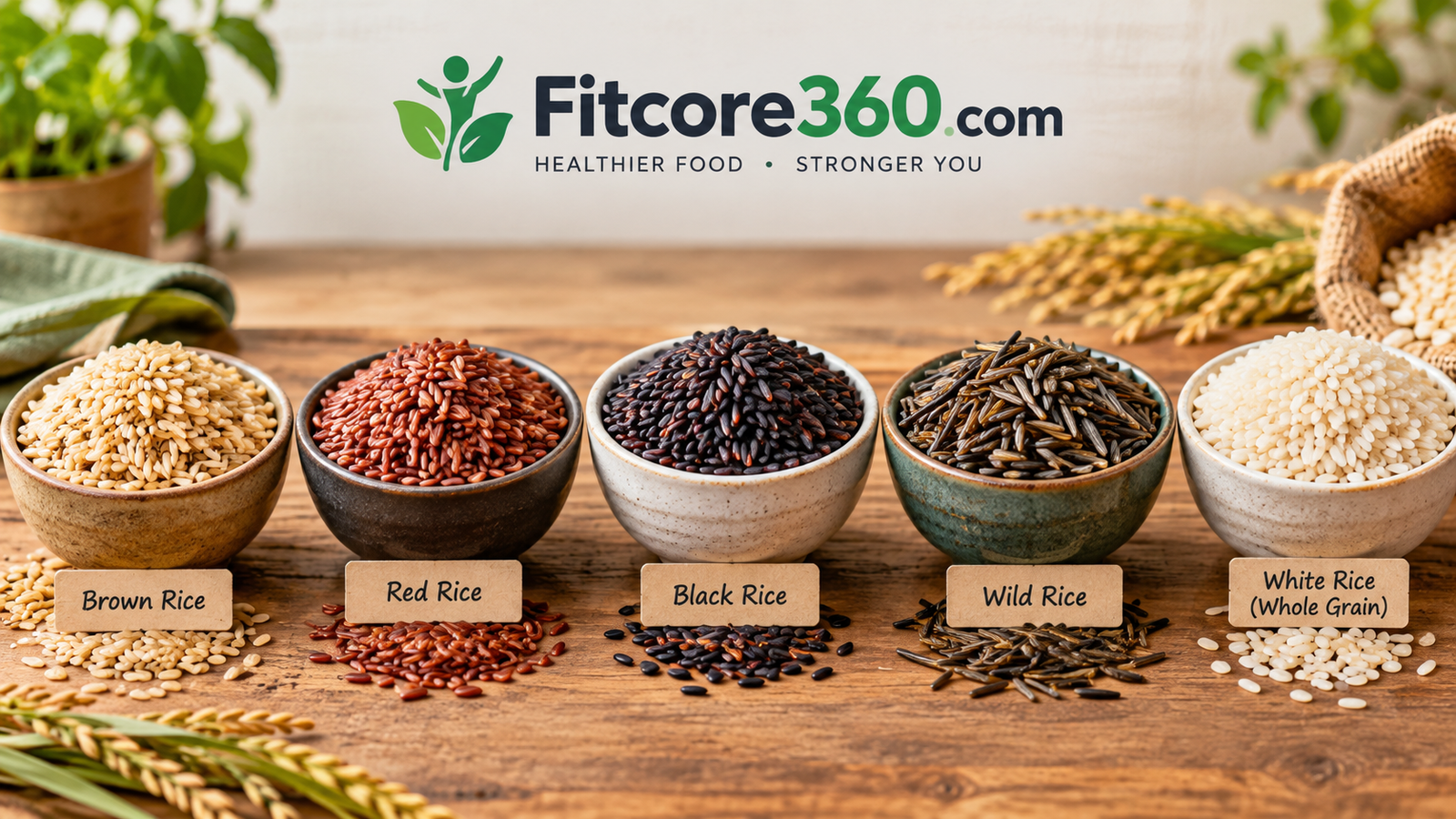
Colored rices are not just pretty. Their deep hues come from pigments such as anthocyanins in black rice, which are the same family of plant compounds found in blueberries. Whether those pigments make a measurable difference to your waistline is unproven, but there is a strong practical case for these grains: they are whole grain, they taste interesting and they make a bowl look so appealing that you feel satisfied before the first bite.
Lotus Foods Organic Forbidden Black Rice
- Organic
- Heirloom whole grain
- About 30 min
- Naturally gluten-free
Legend says this rice was once reserved for emperors, which is how it earned the “forbidden” name. When cooked, the glossy black grains turn a deep purple and carry a nutty, faintly sweet flavor with a chewy bite. It feels indulgent without being indulgent, which is exactly what you want from a diet food.
Use it as the base of a poke-style bowl, toss it into a cold salad with citrus and herbs or serve it under roasted vegetables and salmon. Because the grains stay firm, they work especially well in salads that sit in the fridge for a day. The chewiness also forces you to slow down, which supports natural portion control.
Pros
- Dramatic color and flavor
- Chewy texture encourages slow eating
- Organic whole grain
- Excellent in cold salads and bowls
Cons
- Can stain other ingredients
- Stronger flavor is not for every dish
- Higher price than everyday rice
Who it is for: People who get bored easily and want meals that feel special.
Lotus Foods Bhutanese Red Rice
- Whole grain
- Heirloom variety
- About 20 min
- Earthy and nutty
Grown high in the Himalayan foothills, Bhutanese red rice has a reddish-brown bran layer, a slightly softer bite than many brown rices and a rich, earthy flavor. Cook time is noticeably shorter than most whole grains, which makes it one of the more practical heirloom picks on this list.
It is a natural partner for roasted root vegetables, lentils, mushrooms and anything with a savory sauce. A scoop of this rice next to a plate of vegetables and a lean protein feels complete and warming, which can be a lifesaver in cold months when light salads leave you hungry.
Pros
- Quicker cooking than most whole grains
- Distinct, savory flavor
- Pairs well with hearty vegetables
- Visually appealing
Cons
- Earthy taste may need seasoning
- Softer texture if overcooked
- Specialty pricing
Who it is for: Fans of rustic, comforting meals who still want whole grain structure.
Stretching the budget
Specialty rice costs more per pound, but you do not need it every night. Mix a small amount of black or red rice into a pot of brown basmati. You get the color, flavor and chew of the heirloom grain while stretching your supply and keeping the cost per serving reasonable.
Lundberg Wild Blend and Long Grain Brown: Reliable Everyday Workhorses
Not every healthy rice needs to be exotic. Two more Lundberg products fill the role of dependable pantry staples: a blend that adds wild rice to the mix and a straightforward long grain brown rice.
Lundberg Family Farms Organic Wild Blend
- Organic
- Brown and wild rice
- About 45 to 50 min
- Chewy and toasty
This blend combines whole grain brown rice with wild rice, which is technically the seed of an aquatic grass rather than true rice. The mix creates a dynamic bowl with dark, glossy wild kernels among the lighter brown grains, and the texture is firmer and chewier than plain brown rice. That chew is a real asset when you are trying to feel full.
Because the flavor is toasty and slightly earthy, it works wonderfully in soups, stuffed peppers, casseroles and cold salads with dried fruit and nuts. Toss in some roasted squash and you have a side that feels like a holiday meal without needing butter or cream.
Pros
- Chewy, varied texture
- Organic whole grain blend
- Great for soups, salads and stuffing
- Interesting enough to avoid diet boredom
Cons
- Long cook time
- Texture is firmer than some people prefer
- Less delicate than basmati
Who it is for: Cooks who enjoy textured, rustic dishes and want fuller-feeling meals.
Lundberg Family Farms Organic Long Grain Brown Rice
- Organic
- Whole grain
- About 45 min
- Mild flavor
If basmati’s perfume is not your thing, this is the straightforward alternative. Long grain brown rice has a mild, neutral flavor that disappears into whatever you are cooking, so it can sit under chili, beans, curries or stir-fries without competing. It is also the most familiar texture on this list, which makes it easy for picky family members to accept.
The firm, slightly chewy grains work well for meal prep because they resist turning soggy. Pair a scoop with black beans, salsa, avocado and grilled chicken for a high-fiber, high-protein bowl that you can assemble in minutes once the rice is cooked.
Pros
- Neutral flavor works with everything
- Excellent for batch cooking
- Organic whole grain
- Usually good value in larger bags
Cons
- Plainer than aromatic rices
- Long cooking time
- Chewier than white rice
Who it is for: Families and meal preppers who want a simple, dependable whole grain.
Texmati, Minute and Ben’s Ready Rice: Convenient Options for Busy Weeks
Perfect meal plans collapse on tired evenings. When you are late, hungry and tempted by takeout, a rice that is ready in ten minutes or ninety seconds can be the difference between staying on track and abandoning the plan. These three products cover the convenience spectrum, from a fast-cooking aromatic grain to a pouch you can eat at your desk.
Rice Select Texmati Brown Rice
- Whole grain
- Aromatic
- About 30 to 40 min
- American-grown style
Texmati is an aromatic rice developed in the United States that offers a flavor similar to basmati, with a toasty, popcorn-like fragrance. The brown version keeps the bran intact, which gives you fiber and a pleasant, slightly nutty chew. The grains cook light and fluffy and absorb sauces well.
It is a good fit for pilafs, jambalaya-style skillets and any dish where you want an aromatic base. Many home cooks appreciate that it delivers a basmati-like experience at a friendly price.
Pros
- Basmati-style aroma
- Fluffy texture
- Whole grain fiber
- Works across many cuisines
Cons
- Cook time is still moderate
- Not as widely stocked in stores
- Flavor is subtler than premium basmati
Who it is for: Cooks who want aromatic brown rice and enjoy experimenting with flavor.
Minute Instant Brown Rice
- Precooked whole grain
- About 10 min
- Pantry-friendly box
- Mild flavor
Instant brown rice is cooked and dehydrated at the factory, so at home you only need to rehydrate it. That cuts the wait from nearly an hour to roughly ten minutes. The texture is softer than traditional brown rice and the flavor is gentler, but for a quick weeknight base it does the job well and still counts as a whole grain product.
This is the ideal “emergency rice.” Keep a box in the cupboard and you can pull together a stir-fry, a burrito bowl or a quick soup in minutes. It is also helpful for people who find regular brown rice too chewy, since the softer bite can be an easier transition from white rice.
Pros
- Ready in about ten minutes
- Whole grain convenience
- Easy to portion from a box
- Helpful for beginners
Cons
- Softer, less chewy than traditional brown rice
- Less aromatic
- Can turn mushy if overcooked
Who it is for: Busy people who want whole grains without the wait.
Ben’s Original Ready Rice Whole Grain Brown
- Microwave pouch
- About 90 seconds
- Whole grain
- Portable
Ben’s Ready Rice is the fastest option on the list. Tear the pouch, microwave it for about a minute and a half and you have a hot side dish. For office lunches, dorm rooms, travel or nights when the stove feels like too much effort, that speed is valuable.
Read the nutrition label with extra care. Ready pouches can include added oils or sodium, and some pouches contain more than one serving even though they look like a single portion. Eating the whole pouch might deliver more calories than you expect. Used thoughtfully, though, it is an excellent backup that keeps you from ordering delivery.
Pros
- Hot in about ninety seconds
- No pot, no cleanup
- Portable and shelf-stable
- Whole grain option
Cons
- Costs more per serving
- Check pouch serving size and sodium
- Softer texture
Who it is for: Anyone who needs a fast, no-fuss side for work or travel.
Convenience without compromise
Convenience rice is not “cheating.” The best diet is the one you can follow during a chaotic week. Combine a fast base with a bagged salad, frozen vegetables or a rotisserie chicken from the grocery store and dinner is done in five minutes, with far fewer calories than a delivery order.
Shirataki Rice: The Ultra-Low-Calorie Swap
Every other product on this list is a grain. This last one is different, and it earns a place because it solves a different problem: the desire for a large, satisfying bowl of “rice” when you want to keep carbohydrates and calories very low.
Miracle Noodle Zero Carb Shirataki Rice
- Konjac-based
- Very low calorie
- Rinse and heat
- Gluten-free
Shirataki rice is made from the konjac plant, specifically from a soluble fiber called glucomannan. The product is mostly water and fiber, which is why the calorie count per serving is tiny compared with grain-based rice. Check the label for exact numbers, but the idea is simple: you can fill a bowl for a fraction of the energy cost.
It does not taste or feel like cooked grain rice, and that is worth being honest about. The texture is springy and slightly gelatinous, and the packaging liquid has a distinctive odor. The fix is easy: drain it, rinse it thoroughly under running water and dry-pan it for a few minutes so excess moisture cooks off. After that it works as a neutral base that soaks up sauces and spices.
How to use it well
- Mix it half and half with real brown rice to cut calories while keeping a familiar texture.
- Use it in fried rice style dishes with plenty of egg, vegetables and soy sauce or ginger.
- Serve it under curry, chili or stir-fry where bold flavors mask the texture.
- Introduce fiber gradually, since a sudden jump in konjac fiber can upset some stomachs.
Pros
- Extremely low calories and carbs
- Large volume for the energy cost
- No cooking time beyond heating
- Handy for low-carb diet styles
Cons
- Texture differs from real rice
- Needs rinsing and drying
- Little protein or micronutrients
- May cause digestive discomfort in large amounts
Who it is for: People on lower-carb plans, or anyone who wants an occasional high-volume, low-calorie base. It is not meant to replace whole grains entirely, since grains bring fiber, minerals and lasting energy.
Portions, Cooking Methods and Resistant Starch
Even the best rice can sabotage a diet if you pour it carelessly. Portion size and preparation matter, and a few simple habits give you a lot of control.
Measure first, then trust your eyes
For most adults trying to lose weight, a cooked portion of about one half to one cup works well as a side, or a little more when rice is the base of a large vegetable-heavy bowl. Use a measuring cup for the first couple of weeks. After that your eye will learn what a sensible scoop looks like. A cooked cup should fill about a quarter of your plate, with vegetables covering half and lean protein covering the rest.
Cook it with extra water
Cooking rice in a large pot of water, like pasta, and draining it afterward does two helpful things. It produces separate grains, and research suggests it can reduce the amount of inorganic arsenic that rice absorbs from the soil. Rice naturally takes up arsenic, and brown rice generally contains more than white because arsenic concentrates in the bran. Rinsing the raw grains well and cooking with extra water are simple precautions, and eating a variety of grains rather than rice every single day is another sensible habit.
Cooling creates resistant starch
When cooked rice cools, some of its starch converts into a form called resistant starch, which behaves more like fiber and is digested more slowly. Studies suggest this can slightly lower the calories you absorb and soften the blood sugar response. The effect is modest, not miraculous, but it is a nice bonus for people who already batch cook. Reheated rice keeps much of this benefit.
Food safety matters: Cooked rice can carry spores of a bacterium that survives cooking. Cool rice quickly, refrigerate it within about an hour or two, keep it cold and reheat until it is steaming hot. Do not leave cooked rice sitting on the counter all day.
Water ratios and texture control
Texture is a hidden lever in weight loss. Rice cooked slightly firm, with a little bite left in the center, is usually more satisfying and slower to eat than rice cooked to softness. Start with the package ratio, then experiment by reducing the water by a small splash if your batch comes out soft. Let the pot rest, covered and off the heat, for about ten minutes before fluffing with a fork. That rest allows steam to finish the job evenly and prevents wet, sticky patches that make a bowl feel heavy.
A rice cooker with a brown rice setting takes most of the guesswork out of the process, and a simple kitchen scale helps you portion cooked rice by weight if you want more precision than measuring cups can give. Neither tool is mandatory, but both make consistency easier, and consistency is where results come from.
Flavor without extra calories
Skip heavy butter and oil. Cook rice in low-sodium broth, add a bay leaf, a cinnamon stick or a few cardamom pods, and finish with lemon zest, fresh herbs or toasted spices. These tricks make plain rice taste cooked-in-a-restaurant good while adding almost no calories.
Pair rice with protein and produce
Protein and vegetables slow digestion and make the meal more filling. Our guide to the best vegetables for weight loss gives you plenty of ideas for filling the bulk of the plate, which lets the rice play a supporting role instead of starring.
Building Weight-Loss Rice Bowls and Weekly Meal Prep
A rice bowl is the ultimate diet format: flexible, colorful and easy to portion. Think of it as a simple formula you can remix endlessly.
The five-part bowl formula
- Base (about half a cup to one cup cooked): brown basmati, black rice, red rice or a half-and-half mix with shirataki.
- Protein (a palm-sized portion): grilled chicken, salmon, tofu, shrimp, eggs or beans.
- Vegetables (two big handfuls or more): roasted broccoli, cucumber, cabbage, peppers, spinach or carrots.
- Healthy fat (a thumb-sized amount): avocado, sesame seeds or a drizzle of olive oil.
- Flavor: citrus, vinegar, fresh herbs, chili, ginger or a light sauce on the side.
Three sample bowls
Burrito-style bowl: long grain brown rice, black beans, grilled chicken, tomato, lettuce, a spoonful of salsa and a little avocado. High in fiber and protein, and very filling.
Asian-inspired bowl: forbidden black rice, seared salmon, shredded cabbage, cucumber, edamame and a ginger-lime dressing. The colors make it feel like a restaurant meal.
Warm curry bowl: brown basmati and shirataki rice mixed together, chickpeas, spinach and cauliflower simmered in a light tomato curry sauce. Comforting without being heavy.
Pair it with smart snacks and sides
Rice-based dinners go further when the rest of your day is organized, too. If afternoon cravings derail you, browse our picks for the best snacks for weight loss. A creamy dessert after dinner is easy to build with the best yogurt for weight loss topped with berries from our list of the best fruits for weight loss. And on the days you need to grab protein on the run, the best protein bars for weight loss are a handy backup that keeps you away from the vending machine.
Weekly meal prep routine
- Cook one large batch of rice on Sunday and cool it fast in shallow containers.
- Roast two trays of vegetables and cook one or two proteins.
- Prepare two sauces so bowls do not taste identical every day.
- Portion everything into containers so grabbing lunch takes no decisions.
Common Mistakes and Who Should Adjust Their Rice Choices
Rice is easy to cook but also easy to misuse. Watch for these common traps.
Mistakes to avoid
- Eating from the pot: Serving yourself a plated portion keeps the quantity honest.
- Assuming brown rice is “free”: It is healthier than refined rice, not calorie free. A heaping bowl can still add up quickly.
- Drowning rice in sauce: Sugary teriyaki, creamy sauces and heavy oil can double the calories of the meal.
- Skipping protein: A bowl of mostly rice leaves you hungry sooner. Always add protein and vegetables.
- Eating the same rice every day: Variety improves nutrient intake, reduces boredom and diversifies your exposure to naturally occurring compounds like arsenic.
- Forgetting food safety: Cool and refrigerate leftover rice promptly.
Rice and exercise
If you train, rice is a useful fuel. Having a portion about two hours before a hard workout or afterward can help you perform and recover. Pair your food with movement you enjoy: a session on one of the best treadmills, a rowing workout on a rower machine or a short 20-minute battle rope HIIT workout can all raise your calorie burn. If you are comparing cardio tools, the battle rope versus jump rope calorie burn comparison helps you choose. Building a space at home is easier with our home gym setup guide and our roundup of the best all-in-one home gyms.
How to track progress without obsessing
Weigh yourself at the same time a few mornings each week and look at the trend rather than any single reading. Notice how your clothes fit, how your energy feels during workouts and whether you are still hungry between meals. If hunger is constant, increase protein and vegetables before you cut rice further. If progress stalls for several weeks, trim portions slightly or add a little more daily movement. Small adjustments beat dramatic cuts, and they keep rice on the menu where it belongs.
Who should be cautious
People managing diabetes, kidney conditions or digestive disorders, and anyone on a medically supervised diet, should ask a doctor or registered dietitian before changing their carbohydrate intake. Pregnant women and children should also follow professional guidance about rice intake because of arsenic considerations. Konjac fiber products such as shirataki can interact with how medications are absorbed, so check with your healthcare provider if that applies to you.
The bottom line: This article is general information, not medical advice. Choose whole grains most of the time, measure portions, add protein and vegetables and use the low-calorie options when you want volume without the energy cost.
Frequently Asked Questions About the Best Rice for Weight Loss
1. What is the best rice for weight loss overall?
Brown basmati is a great all-around choice because it pairs whole grain fiber with a fragrant flavor and a firm texture that encourages slower eating. Lundberg Organic Brown Basmati is our top pick, with Tilda Brown Basmati close behind if you want a shorter cook time.
2. Is brown rice really better than white rice for losing weight?
Brown rice contains more fiber and tends to keep you full longer, so it often makes portion control easier. The calories per cooked cup are similar, so the benefit comes from satiety and steadier blood sugar rather than a big calorie difference.
3. How much rice can I eat per meal while dieting?
Many adults do well with about half a cup to one cup of cooked rice per meal, balanced with protein and vegetables. Your ideal amount depends on your calorie target, activity level and preferences, so adjust gradually based on your results.
4. Are black and red rice better than brown rice?
They are different rather than clearly better. Black and red rices are whole grains with distinctive flavors and pigments, and they make meals more enjoyable. Nutritionally they are in the same general range as brown rice, so choose them for variety and taste.
5. Is shirataki rice a good substitute for regular rice?
It is a useful low-calorie, low-carb substitute, especially when mixed half and half with real rice. It does not taste or feel exactly like grain rice and offers little protein or micronutrients, so it works best as an occasional swap rather than a full replacement.
6. Is instant brown rice as healthy as regular brown rice?
Instant brown rice is precooked and dehydrated, and it can still be a whole grain product. The texture is softer and it may digest slightly faster, but it remains a convenient and reasonable choice when time is limited.
7. Does cooling rice really reduce its calories?
Cooling cooked rice increases its resistant starch, which can slightly reduce the energy you absorb and soften the blood sugar response. The effect is small, so treat it as a bonus. Always refrigerate leftover rice promptly for food safety.
8. What about arsenic in rice?
Rice naturally absorbs arsenic from soil and water, and brown rice usually contains more than white. Rinsing raw rice, cooking it in extra water, and eating a variety of grains rather than rice every day can lower your exposure. Pregnant women and young children should ask a healthcare professional for advice.
9. Can I eat rice every day and still lose weight?
Yes, if your overall calorie intake supports weight loss and your portions are sensible. Rotating between brown basmati, colored rice, wild blends and lower-calorie swaps adds variety and nutrients.
10. Is rice at night bad for weight loss?
No. Total daily calories matter far more than the time of day. Some people find a moderate portion of rice at dinner helps them feel satisfied and sleep comfortably, while others prefer to eat it earlier. Choose what keeps you consistent.
11. What is the best rice for someone with a very busy schedule?
Minute Instant Brown Rice and Ben’s Original Ready Rice Whole Grain Brown are the fastest options here. Batch cooking a larger pot of Lundberg or Tilda brown basmati once a week is another excellent way to save time.
12. How should I store uncooked and cooked rice?
Store uncooked whole grain rice in an airtight container in a cool, dark place, or in the refrigerator or freezer for longer shelf life because the natural oils in the bran can go rancid. Refrigerate cooked rice within an hour or two and eat it within a few days.
Final Thoughts: Choose a Rice You Will Actually Enjoy
You do not have to give up rice to lose weight. You simply need to choose it more thoughtfully, portion it with care and surround it with protein and vegetables. Lundberg Organic Brown Basmati stands out as the best everyday pick, Tilda Brown Basmati wins on speed, Forbidden Black and Bhutanese Red keep your meals exciting, and the Lundberg Wild Blend and Long Grain Brown deliver steady, filling staples. Texmati adds a basmati-style option, Minute Instant Brown and Ben’s Ready Rice save the day when time runs out and Miracle Noodle Shirataki Rice gives you a big bowl with almost no calories.
Pick two or three that suit your lifestyle, cook them in batches, and build bowls you look forward to eating. Consistency beats perfection every time, and a diet that includes food you love is a diet you can keep. Ready to stock your pantry? Start with the option that best matches your schedule and taste.
You May Also Like
More guides from our fitness and nutrition library.
Affiliate disclosure: As an Amazon Associate we earn from qualifying purchases. If you click a link and make a purchase, we may receive a small commission at no extra cost to you. This article is for general information only and is not medical or dietary advice; consult a qualified healthcare professional before making significant changes to your diet.