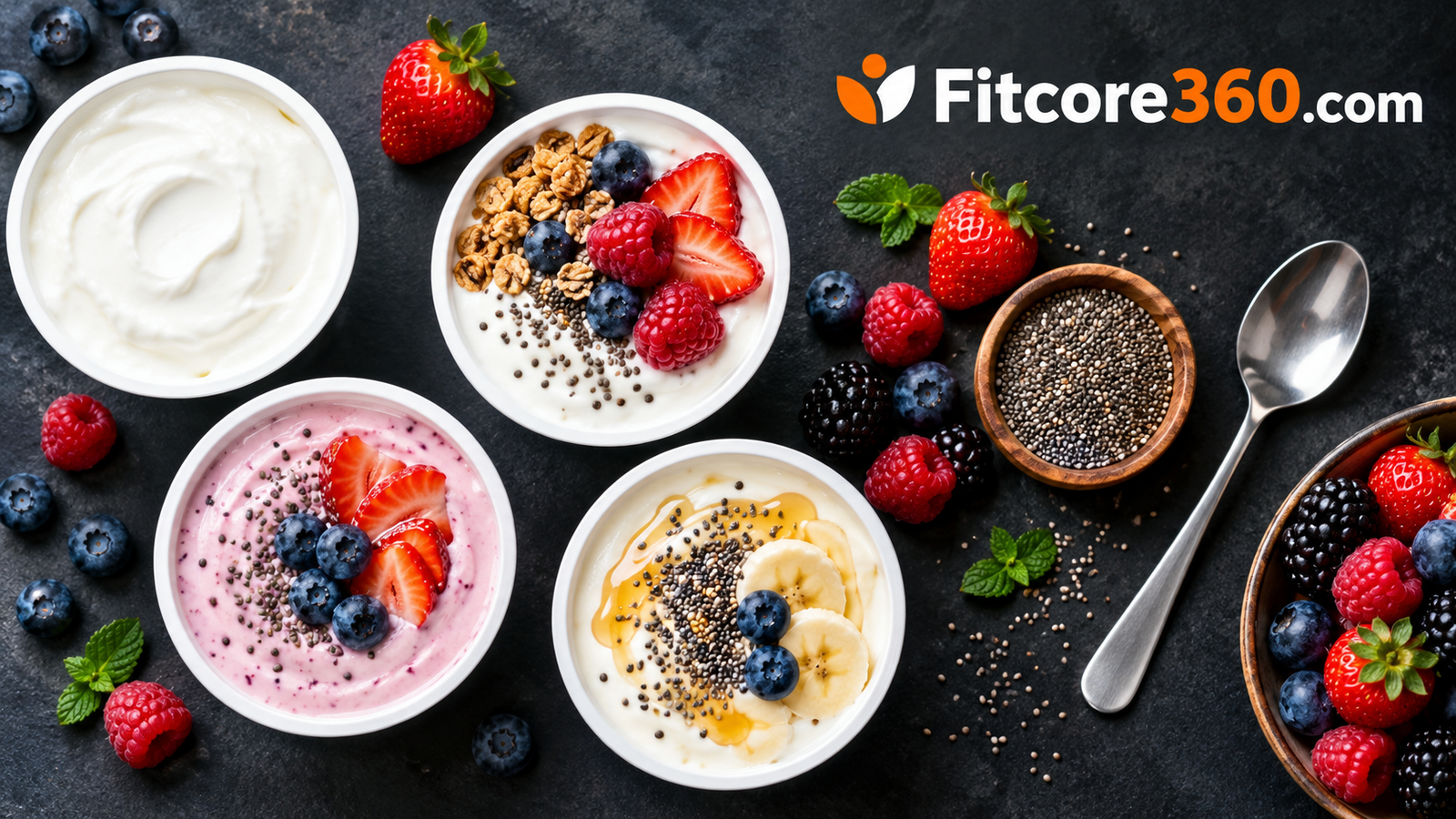
Best Yogurt for Weight Loss: Top Picks, Honest Comparisons, and Smart Ways to Eat It
Not every cup in the dairy aisle deserves a spot in your fridge. Here is how to pick a yogurt that keeps you full, keeps sugar low, and actually tastes good enough to eat day after day.
Walk down the yogurt aisle and you will see walls of bright lids, cartoon fruit, and bold claims. Some of those cups are practically dessert. Others are quietly one of the most useful foods you can buy if you are trying to lose weight. The difference comes down to a handful of numbers on the back of the container, and once you know where to look, shopping gets a lot easier.
This guide walks through the yogurts that tend to work best for weight loss, why they work, and where each one fits. We cover high-protein skyr, strained Greek-style options, a lower-sugar vanilla for people who need a little sweetness, a fiber-focused cup, and even the starter cultures and yogurt maker you would need if you would rather make your own. Along the way we point out trade-offs honestly, because the “best” cup for a meal-prep fan is not always the best cup for someone who just wants a fast breakfast.
One quick note before we start: nutrition numbers vary by flavor, cup size, and formula changes over time, so treat the figures here as ballpark guidance and always check the label on the exact product you buy. This article is general information, not personal medical or dietitian advice.
1. Why Yogurt Helps With Weight Loss
Weight loss, at the most basic level, still comes down to eating a bit less energy than you burn. The hard part is not understanding that. The hard part is staying hungry enough to feel miserable and still sticking with the plan for months. Foods that help you feel satisfied on fewer calories make the whole process more bearable, and yogurt is one of the better examples.
Protein is the headline benefit
Protein is the most filling of the three macronutrients. A single cup of strained yogurt can deliver somewhere between 12 and 25 grams depending on the style, which is a serious head start on a day’s target. When your breakfast or snack carries real protein, you tend to feel full longer and think about food less between meals. That does not mean yogurt melts fat on its own, but it does make a calorie deficit easier to live with.
Protein also matters when you are cutting calories because it supports muscle retention. If you are lifting or training while you diet, eating enough protein helps you lose a higher share of fat rather than muscle. If that is part of your plan, our guide on how nutrition affects gym results explains why food choices often matter as much as the workout itself.
It is easy to portion
Single-serve cups take the guesswork out of eating. You know exactly what you are getting, and you can fold the cup straight into a daily calorie budget without weighing anything. That convenience is underrated. Plenty of diets fail not because the food is wrong but because the plan is too fiddly to follow on a busy Tuesday.
Live cultures and your gut
Many yogurts contain live and active cultures, the friendly bacteria used in fermentation. Research on probiotics and body weight is still developing, and results are mixed, so it would be a stretch to promise a slimming effect from the bacteria alone. What we can say is that fermented dairy can be a gentle, easy-to-digest food for many people, and some find that regular yogurt helps their digestion feel more settled. Not every product keeps its cultures alive after processing, so look for the phrase “live and active cultures” on the label if that matters to you.
Calcium, potassium, and everyday nutrients
Yogurt also brings calcium, potassium, B vitamins, and iodine to the table. When you are eating less overall, getting nutrients from foods that pack a lot into a small number of calories is a smart strategy. A cup of plain yogurt does that better than most snacks.
Common myths worth dropping
A few ideas about yogurt and dieting stick around long after they should. The first is that all yogurt is automatically healthy. Plenty of cups are closer to pudding, with sweetened fruit preparations, candy mix-ins, and sugar counts that rival a soft drink. The second is that “low-fat” always means “low-calorie.” When fat is removed, manufacturers often add sugar or starch to bring back the texture, so a low-fat flavored cup can end up with more calories than you would guess. The third is that you must eat yogurt at a particular time of day for it to work. Your body does not care whether it is eight in the morning or eight at night. What matters is how the cup fits into your total intake across the week.
The last myth is that you have to love plain yogurt right away. Most people do not. Taste buds adapt, and the easiest way to make the switch is gradual: mix half a sweetened cup with half a plain cup for a week or two, then shift the ratio until plain feels normal. Many people are surprised at how quickly the sugary stuff starts tasting cloying once they have cut back.

Start with a high-protein plain cup
Plain skyr is one of the simplest upgrades you can make to a weight loss breakfast.
Check Price on Amazon2. What to Look for on the Label
You can ignore most of the front of the package. The marketing is designed to sell you a feeling. The nutrition panel and ingredient list tell you what is really inside, and a few quick checks will filter out most of the disappointments.
Check protein first
For weight loss, aim for a cup that delivers at least 12 to 15 grams of protein per serving, and more if you can find it. Skyr and strained Greek-style yogurts usually land at the high end because straining removes liquid whey and concentrates the protein. Regular unstrained yogurt typically has much less, often 5 to 9 grams per cup.
Watch added sugar
Plain yogurt contains some natural milk sugar, called lactose, and that is fine. The number you want to pay attention to is added sugar, which many labels now list separately. A flavored cup can easily carry 12 to 20 grams of added sugar, which is like eating a candy bar with a spoon. Plain or lightly sweetened cups with just a few grams of sugar give you much more control.
Fat level is a personal choice
Nonfat, low-fat, and whole-milk yogurts can all work. Nonfat cups save calories, which is helpful if you are tracking closely. Whole-milk versions are creamier and may feel more satisfying, which some people find helps them avoid snacking later. The best approach is the one you will actually stick with. Just remember that a higher-fat yogurt shifts the calorie math, so adjust the rest of your day accordingly.
Read the ingredient list
The shorter the better. Milk and live cultures is the gold standard for plain yogurt. Some products use thickeners, gums, or starches to create a creamy texture without enough real protein, and some lean heavily on artificial sweeteners. Those are not automatically bad, but they are worth knowing about, especially if you notice digestive side effects from certain sweeteners.
Serving size matters
Cups range from about 4 ounces to 6 ounces, and tubs can run 24 ounces or more. A tub is cheaper per ounce, but it is easy to pour a bowl that is two or three servings without realizing it. If portion control is your weak spot, single-serve cups are worth the extra cost.
| Label Item | What to Aim For | Red Flag |
|---|---|---|
| Protein per serving | 12 to 25 grams | Under 8 grams |
| Added sugar | 0 to 5 grams | 10 grams or more |
| Ingredients | Milk and live cultures | Long list of gums, syrups, and flavorings |
| Calories per cup | 80 to 150 for most goals | Dessert-level calories in a “healthy” cup |
| Live cultures | Listed on the label | Heat-treated after culturing, with no mention of cultures |

Protein-forward and low in sugar
A label check like this is exactly how a cup like Oikos Pro earns its spot.
Check Price on Amazon3. Quick Picks and Comparison Table
If you only want the short version, this table sums up how the main grocery-aisle options compare. The numbers are approximate and reflect typical single-serve cups. Formulas and sizes change, so verify on the package before you commit to a case.
| Yogurt | Style | Best For | Protein | Sugar Level |
|---|---|---|---|---|
| Siggi’s Plain Icelandic Skyr | Strained skyr | All-around weight loss staple | High | Very low |
| Oikos Pro Plain | High-protein strained | Maximum protein per calorie | Very high | Very low |
| Icelandic Provisions Plain Skyr | Strained skyr | Creamy texture, clean ingredients | High | Low |
| Two Good Vanilla | Strained Greek | Sweet cravings without the sugar load | Moderate to high | Very low |
| Wallaby Organic Plain | Organic cultured | Organic buyers who want a tangy base | Moderate | Low |
| Activia Fiber | Fiber-enriched | Digestive regularity and extra fiber | Moderate | Moderate |
If we had to hand you a starter lineup, it would be a plain skyr or high-protein cup as your daily driver, a vanilla option for the days you want something sweeter, and a fiber cup if digestion is part of your goal. Everything else is a refinement.
What works across the board
- High protein for fullness
- Low added sugar
- Portion-controlled cups
- Easy to dress up with fruit and spices
Common traps to avoid
- Fruit-on-the-bottom cups loaded with syrup
- Dessert-style “light” yogurts with long ingredient lists
- Giant tubs that invite oversized servings
- Assuming “Greek” on the front means high protein
How to choose by goal
Think about what you need yogurt to do for you, and the decision gets simpler. If you are trying to stay full between meals, go for the highest protein and thickest texture you enjoy, which usually means skyr or a high-protein cup. If you are managing cravings, a low-sugar vanilla can slot in as a dessert replacement and prevent the evening raid on the freezer. If digestion is the sticking point, a fiber-enriched cup or a plain yogurt topped with chia and berries can help. If budget matters most, buy a large tub of plain yogurt, portion it into reusable containers, and add your own toppings, or consider making your own batches at home.
It also helps to rotate. Eating the same cup every day can lead to boredom, and boredom is a quiet enemy of any eating plan. Keeping two or three options in the fridge gives you variety without making your grocery list complicated. A plain base, a vanilla treat, and one wild card is a perfectly good rotation.

Want a sweeter option with low sugar?
Two Good is one of the more popular low-sugar vanilla picks.
Check Price on Amazon4. Siggi’s Plain Icelandic Skyr
Skyr is a traditional Icelandic cultured dairy product that is strained more heavily than most Greek yogurt. The result is a thick, spoonable texture with a lot of protein and very little sugar in the plain version. Siggi’s brought that style to mainstream American grocery stores, and it has become a go-to for people who want a dependable, high-protein option without any fuss.
What stands out
The plain version is the one that makes sense for weight loss. It typically delivers well into the mid-teens for protein per cup, with only a few grams of sugar that come naturally from the milk. The flavor is clean and tangy, a little more mellow than many Greek yogurts, with a dense, almost cheesecake-like body. If you find regular plain yogurt too sour, skyr is often an easy bridge.
How it fits into a diet
Because it is thick and filling, a single cup works well as a breakfast base. Stir in berries and a spoonful of nuts, and you have a breakfast with protein, fiber, and healthy fats for a reasonable calorie count. It also works as a swap for sour cream in savory dishes, which is one of the easiest ways to trim calories without changing a recipe much. For more fruit ideas that pair well, take a look at our roundup of the best fruits for weight loss.
- Style: Strained skyr
- Texture: Thick and dense
- Flavor: Mild, tangy, clean
- Best use: Breakfast bowls, smoothies, sour cream swaps
Pros
- High protein with very low sugar in the plain version
- Short, simple ingredient list
- Thick texture that keeps you full
- Widely available in single-serve cups
Cons
- Costs more per ounce than basic yogurt
- Plain may taste too tart for some people at first
- Flavored versions add noticeably more sugar
Bottom line: If you want one dependable plain cup to build your routine around, Siggi’s is hard to argue with.
Siggi’s Plain Icelandic Skyr
High protein, low sugar, and a thick texture that keeps hunger in check.
Check Price on Amazon5. Oikos Pro Plain Yogurt
If protein is your top priority, Oikos Pro is the cup you should look at first. It is built specifically to deliver a big protein number for a modest calorie count, and in the plain version it usually pulls that off with very little sugar. For people tracking macros closely, that ratio is hard to beat in a regular grocery store.
What stands out
Oikos Pro typically lands around the low twenties in grams of protein per cup, depending on the size you buy, with calories in roughly the low hundreds or below. That protein density makes it a favorite among lifters and anyone who wants to stay full through a long morning. The texture is smooth and thick, with a tang that sits between mild skyr and classic Greek yogurt.
Who it suits best
This one makes the most sense if you are active, strength training, or following a higher-protein plan. It pairs especially well with a post-workout snack or a mid-afternoon craving. If you are curious about building a full routine around protein, our look at the best protein bars for weight loss is a good companion read for days when you need something portable instead of a spoonable cup.
How to make it taste better
Plain high-protein yogurt can taste a bit stark if you are used to sweetened cups. A drizzle of honey, a splash of vanilla extract, or a handful of berries solves that without turning the cup into dessert. Cinnamon is another easy win because it adds a sense of sweetness without adding sugar. Start small and reduce the sweetener gradually over a couple of weeks, and your taste buds will adjust faster than you expect.
- Style: High-protein strained yogurt
- Texture: Smooth and thick
- Flavor: Tangy, a little sharp
- Best use: Post-workout snacks, high-protein breakfasts
Pros
- One of the highest protein-per-calorie options on the shelf
- Very low sugar in the plain version
- Easy to find and easy to dress up
- Great for muscle retention while dieting
Cons
- Tang can be strong for people new to plain yogurt
- Sweetened flavors in the same line carry more sugar
- May include thickeners depending on the formula
Bottom line: For maximum protein with minimal calories, Oikos Pro is arguably the most efficient pick in this guide.
Oikos Pro Plain Yogurt
A protein-packed cup built for people who track their macros.
Check Price on Amazon6. Icelandic Provisions Plain Skyr
Icelandic Provisions takes a slightly different approach to skyr. The brand is built around a traditional Icelandic recipe and a short ingredient list, and the plain version leans creamy rather than sharply tart. It is a good example of how two products in the same category can feel quite different once the spoon hits your mouth.
What stands out
The plain skyr here tends to be rich and smooth, which makes it feel more indulgent than some competitors. That creaminess often comes from using whole or higher-fat milk, so calories run a bit higher than the nonfat options. The trade-off is a more satisfying mouthfeel, and for some people that means they stop thinking about snacks sooner. If you have tried leaner skyrs and found them chalky or too sour, this style may be the one that finally clicks.
Where it fits in a weight loss plan
Think of it as the satisfying option. If you are in a moderate deficit and want a breakfast that feels like a treat, a cup of creamy plain skyr with fresh berries can deliver that without the sugar bomb of a flavored yogurt. It also works beautifully in savory cooking. Stir it into soups, use it as a base for dips, or mix it with herbs and lemon for a quick sauce over roasted vegetables. If you are building a snack list, our guide to the best snacks for weight loss has plenty of ideas that pair well with a cup like this.
A note on availability
This brand is sometimes easier to find in grocery stores than on Amazon, and listings can change. If you are shopping online, compare sizes and prices carefully, and consider the official product page to confirm the current plain formula before you buy.
- Style: Traditional strained skyr
- Texture: Rich and creamy
- Flavor: Mild with a gentle tang
- Best use: Satisfying breakfasts, dips, savory sauces
Pros
- Creamy, satisfying texture
- Short and simple ingredient list
- Good protein with low sugar in plain form
- Works well in both sweet and savory dishes
Cons
- Slightly higher calories than nonfat options
- Not always stocked online or in every store
- Premium pricing
Bottom line: A great fit if you want your high-protein yogurt to feel rich, and you have the calorie room for it.
Shop plain skyr on Amazon
Browse plain skyr options and compare sizes, prices, and availability.
Check Price on Amazon7. Two Good Greek Yogurt, Vanilla
Plenty of people find plain yogurt a hard sell, and that is a real problem, because the best diet food is the one you actually enjoy eating. Two Good tackles this head-on. It is a vanilla Greek-style yogurt that keeps sugar remarkably low by using a straining process that removes some of the natural milk sugar, then sweetening lightly with a non-sugar sweetener.
What stands out
The headline appeal is the sugar number. Compared with a typical sweetened yogurt, a single cup of Two Good usually comes in dramatically lower, often only a couple of grams. Protein is solid, though typically a notch below the plain high-protein cups, and calories stay modest. The flavor is a soft, familiar vanilla that tastes much closer to dessert than the numbers would suggest.
The sweetener question
Two Good uses a sweetener blend rather than sugar. Some people love that, and some notice an aftertaste or find that certain sweeteners upset their stomachs. If you have never had that problem, there is no reason to avoid it. If you are unsure, try a single cup before you buy a case. Everyone’s palate and digestion are a little different.
Where it shines
This is the cup for craving control. If you tend to reach for ice cream or a sugary snack in the evening, a chilled vanilla cup can fill that gap for a fraction of the calories. It also makes an easy base for a quick parfait. Layer it with berries and a few crushed nuts, and you have something that feels like a treat but behaves like a sensible snack. If you are weighing it against protein bars, our protein bar comparison can help you decide which option fits your day better.
- Style: Strained Greek-style
- Texture: Smooth and creamy
- Flavor: Soft vanilla
- Best use: Dessert swaps, parfaits, evening cravings
Pros
- Very low sugar for a sweet yogurt
- Tastes like a treat without the sugar load
- Portion-controlled single cups
- Decent protein for the calorie count
Cons
- Uses a sweetener some people dislike
- Protein slightly lower than top plain cups
- Flavor selection may vary by store
Bottom line: The easiest way to satisfy a sweet tooth without blowing through your sugar budget.
Two Good Greek Yogurt, Vanilla
A low-sugar vanilla cup for cravings that need a sweet answer.
Check Price on Amazon8. Wallaby Organic Plain Yogurt
Wallaby comes at yogurt from a different angle. It is an organic brand known for a smooth, slightly looser texture and a flavor that is tangy without being aggressive. It is not the highest-protein option in this guide, but it earns its place for people who prioritize organic ingredients and want a plain base they can dress up themselves.
What stands out
The plain version is made with organic milk and live cultures, with a simple ingredient list. Protein sits in a moderate range, which is solid but not at the level of strained skyr. The texture is creamy and a little softer, which makes it easy to stir into smoothies, overnight oats, and sauces. It tends to taste fresher and a bit more dairy-forward than some of the thicker options.
Who it suits best
If you care about organic dairy, or if you find thick skyr heavy, Wallaby can be a comfortable middle ground. It is also a handy base for cooking. Mix it with cucumber, garlic, and herbs for a quick tzatziki-style dip, or use it as a marinade base for chicken, where its mild acidity helps tenderize the meat. In those uses, the lower protein density hardly matters, because you are using the yogurt as an ingredient rather than a meal.
Making it work for weight loss
Because the protein is more moderate, pair it with something that adds staying power. A scoop of nuts, chia seeds, or a sprinkle of high-fiber cereal makes a big difference. You can also combine it with a spoonful of a higher-protein yogurt to get the best of both worlds. If you are also thinking about movement, a steady cardio routine on a treadmill at home pairs nicely with a lighter yogurt-based breakfast on active days.
- Style: Organic cultured yogurt
- Texture: Creamy and slightly loose
- Flavor: Fresh, mildly tangy
- Best use: Smoothies, dips, marinades, overnight oats
Pros
- Organic milk and a simple ingredient list
- Mild, approachable flavor
- Versatile for cooking and blending
- Low sugar in the plain version
Cons
- Lower protein than skyr and high-protein cups
- Looser texture may feel less filling
- Premium organic pricing
Bottom line: A smart choice for organic shoppers and anyone who wants a versatile plain base for cooking and blending.

Wallaby Organic Plain Yogurt
An organic plain base that works in bowls, smoothies, and sauces.
Check Price on Amazon9. Activia Fiber Yogurt
Activia has built its reputation on digestive support, and the fiber version leans into that. It is not the lowest-sugar or highest-protein yogurt in this guide, and we want to be upfront about that. But fiber is an important piece of the weight loss puzzle, and plenty of people simply do not get enough of it. For those people, a cup that adds a few grams of fiber can be a practical, low-effort fix.
Why fiber matters
Fiber slows digestion, adds bulk, and tends to help you feel full. Many adults eat far less than the commonly recommended daily amount. A fiber-enriched yogurt is not a replacement for vegetables, beans, and whole grains, but it can help close the gap on days when your diet falls short. It also supports regularity, which many people find becomes a bit tricky when they change their diet and eat less overall.
The sugar trade-off
This is where you need to read the label closely. Flavored fiber yogurts typically carry more sugar than plain skyr or the low-sugar vanilla option, so they work best as an occasional pick rather than a daily staple if you are trying to keep sugar tight. Compare the numbers against your goals. If you are comfortable with a few extra grams of sugar in exchange for the fiber and the digestive benefit, it can fit comfortably. If not, you can get fiber from add-ins instead.
A hybrid strategy
One practical approach is to use a plain, high-protein cup as your base and add fiber with chia seeds, ground flax, raspberries, or a spoonful of bran cereal. That combination often beats a pre-flavored fiber cup on both protein and sugar. Still, if convenience is the deciding factor, and you want something you can grab from the fridge and eat without thinking, Activia Fiber gets the job done.
- Style: Fiber-enriched cultured yogurt
- Texture: Smooth and spoonable
- Flavor: Sweet and fruity
- Best use: On-the-go snacks, digestive support
Pros
- Adds fiber to a quick snack
- Convenient single-serve cups
- Contains live and active cultures
- Appealing sweet flavors
Cons
- More sugar than plain high-protein options
- Lower protein than skyr
- Best as an occasional pick for strict sugar goals
Bottom line: Not the top pick for strict weight loss goals, but a handy choice when digestion and fiber are part of the plan.

Activia Fiber Yogurt
A convenient way to add a little extra fiber to your day.
Check Price on Amazon10. Make Your Own: Yogurt Starters and the Euro Cuisine Maker
Buying cups every week adds up, and some people simply enjoy controlling exactly what goes into their food. Homemade yogurt is cheaper per serving, lets you choose your milk, and means you decide how thick and how tangy the final product turns out. It also gives you a plain, additive-free base with no sweeteners at all. If you cook regularly, it is a surprisingly easy habit to adopt.
How homemade yogurt works
The basic process is simple. You warm milk, cool it to a comfortable temperature, stir in a starter culture, and hold it at a steady warm temperature for several hours while the bacteria ferment the milk. Then you chill it. A yogurt maker takes the guesswork out of the temperature part, because holding a steady temperature is the one step that is tricky to do reliably in a regular kitchen.
Yogourmet Freeze-Dried Yogurt Starter
Yogourmet is a classic freeze-dried starter that comes in individual packets. It is beginner-friendly, shelf-stable, and produces a mild, creamy yogurt. Many people like it because the packets are easy to measure and you do not need to keep a living culture going. You simply open a packet, stir it into warm milk, and let it ferment. It is a sensible place to start if you have never made yogurt before.
Cultures for Health Greek Yogurt Starter
If you want a thicker, tangier result closer to store-bought Greek yogurt, the Cultures for Health Greek starter is built for that purpose. Straining the finished yogurt through a cloth or fine strainer removes more whey and boosts protein density. You can make the batch as thick as you like, from lightly strained to almost cream-cheese consistency, which gives you a lot of control over texture and calories.
Cultures for Health Vegan Yogurt Starter
Dairy-free eaters have options too. The Cultures for Health vegan starter is designed for plant-based milks such as soy, coconut, or almond. Plant milks behave differently from dairy, so expect a slightly different texture and a bit of experimentation. Soy milk tends to give the thickest and highest-protein result, because it naturally contains more protein than most other plant milks. Check ingredient labels on your chosen milk and note that sweetened varieties will add sugar.
Euro Cuisine Yogurt Maker
A dedicated yogurt maker holds a steady, gentle warmth for the full fermentation window. The Euro Cuisine model is a popular, no-frills option, and it is a good match for beginners who want consistent results without a complicated machine. It typically comes with individual jars, which makes portion control easy. Fill the jars, set the timer, and you wake up to a batch of fresh yogurt ready to chill.
| Item | Best For | Notes |
|---|---|---|
| Yogourmet Freeze-Dried Starter | Beginners | Mild, creamy, easy to measure |
| Cultures for Health Greek Starter | Thick, high-protein yogurt | Strain for extra thickness |
| Cultures for Health Vegan Starter | Dairy-free eaters | Soy milk usually works best |
| Euro Cuisine Yogurt Maker | Consistent warmth and portions | Individual jars for easy servings |
Why homemade can win
- Cheaper per serving over time
- Zero added sugar or sweeteners
- You control the milk and thickness
- Fun and satisfying kitchen habit
Honest drawbacks
- Takes planning and several hours of fermenting
- Results can vary from batch to batch
- Needs fridge space and clean jars
- Protein depends on how much you strain
Pick the starter that matches your goal, grab the maker if you want hands-off consistency, and you can have a reliable homemade supply going in a single weekend.

Euro Cuisine Yogurt Maker
Steady warmth and individual jars make homemade yogurt easy to repeat.
Check Price on Amazon
Yogourmet Freeze-Dried Yogurt Starter
A simple, beginner-friendly starter for mild and creamy homemade yogurt.
Check Price on Amazon
Cultures for Health Greek Yogurt Starter
Build a thicker, tangier batch and strain it to your preferred texture.
Check Price on Amazon
Cultures for Health Vegan Yogurt Starter
A dairy-free starter designed for soy, coconut, and other plant milks.
Check Price on Amazon11. Greek vs Skyr vs Regular vs Plant-Based Yogurt
The word “yogurt” covers a lot of ground. Knowing the main categories helps you predict what a cup will deliver before you even read the label, which saves a lot of trial and error at the store.
Regular (unstrained) yogurt
This is the classic style. It is thinner, milder, and typically lower in protein, often somewhere between 5 and 9 grams per cup. It can still be a perfectly good choice, especially in plain form, but it will not keep you full as long as strained options. It tends to work best in smoothies, sauces, and baking, where texture and protein density matter less.
Greek yogurt
Greek yogurt is strained to remove much of the liquid whey, leaving a thicker, tangier product with roughly double the protein of regular yogurt. Not all products labeled “Greek” are created equal, though. Some are traditionally strained, while others use added thickeners to mimic the texture. Check the protein number rather than trusting the word on the front.
Skyr
Skyr is technically a cheese-like cultured dairy product from Iceland, though it is eaten like yogurt. It is strained even more than most Greek yogurt, resulting in a very thick texture, a high protein count, and a milder tang. For many people, it hits the sweet spot between filling and pleasant to eat.
Plant-based yogurt
Soy, almond, coconut, oat, and cashew yogurts have exploded in popularity. They suit dairy-free eaters, but nutrition varies enormously. Soy-based versions often come closest to dairy in protein. Almond, coconut, and oat versions are frequently much lower in protein and sometimes higher in sugar or fat. If you go plant-based for weight loss, read the label carefully and choose unsweetened versions with the best protein you can find.
| Type | Typical Protein | Texture | Best Use |
|---|---|---|---|
| Regular yogurt | Lower | Thin, mild | Smoothies, sauces, baking |
| Greek yogurt | Medium to high | Thick, tangy | Breakfast bowls, dips |
| Skyr | High | Very thick, mild | Meal replacement bowls, high-protein snacks |
| Plant-based | Varies widely | Varies by base | Dairy-free diets, with careful label reading |
If maximizing fullness per calorie is your main goal, skyr and strained high-protein yogurts are generally the strongest starting points. If you prefer a milder, more everyday yogurt, regular plain still beats most sweetened cups, as long as you boost it with add-ins that bring more protein and fiber.
Storage, freshness, and budget tips
Yogurt keeps well, but not forever. Check the date on the lid, keep cups at the back of the fridge where the temperature is steadier, and avoid leaving open containers out on the counter. Once you open a tub, use a clean spoon each time to avoid introducing bacteria, and aim to finish it within about a week. A little watery liquid on top is normal separation of whey, and you can stir it back in or pour it off if you prefer a thicker texture. Pink or fuzzy spots, a sharp off smell, or a fizzy taste are signs to throw it away.
On cost, strained high-protein products usually cost more because it takes more milk to make a cup of thick yogurt. You can soften the blow by buying multipacks when they go on sale, comparing price per ounce rather than per cup, and mixing premium cups with cheaper plain tubs. Freezing is another option: yogurt can be frozen into cubes or bark for smoothies, although the texture changes and it works best when blended rather than eaten straight from thawed.
Try skyr for maximum fullness
Thick, high-protein, and mild enough for most taste buds.
Check Price on Amazon12. How to Eat Yogurt for Weight Loss (Without Overthinking It)
Picking the right cup is only half the equation. How you eat it makes a difference too. These ideas keep yogurt interesting so you do not burn out on the same bowl every morning.
Build a better breakfast bowl
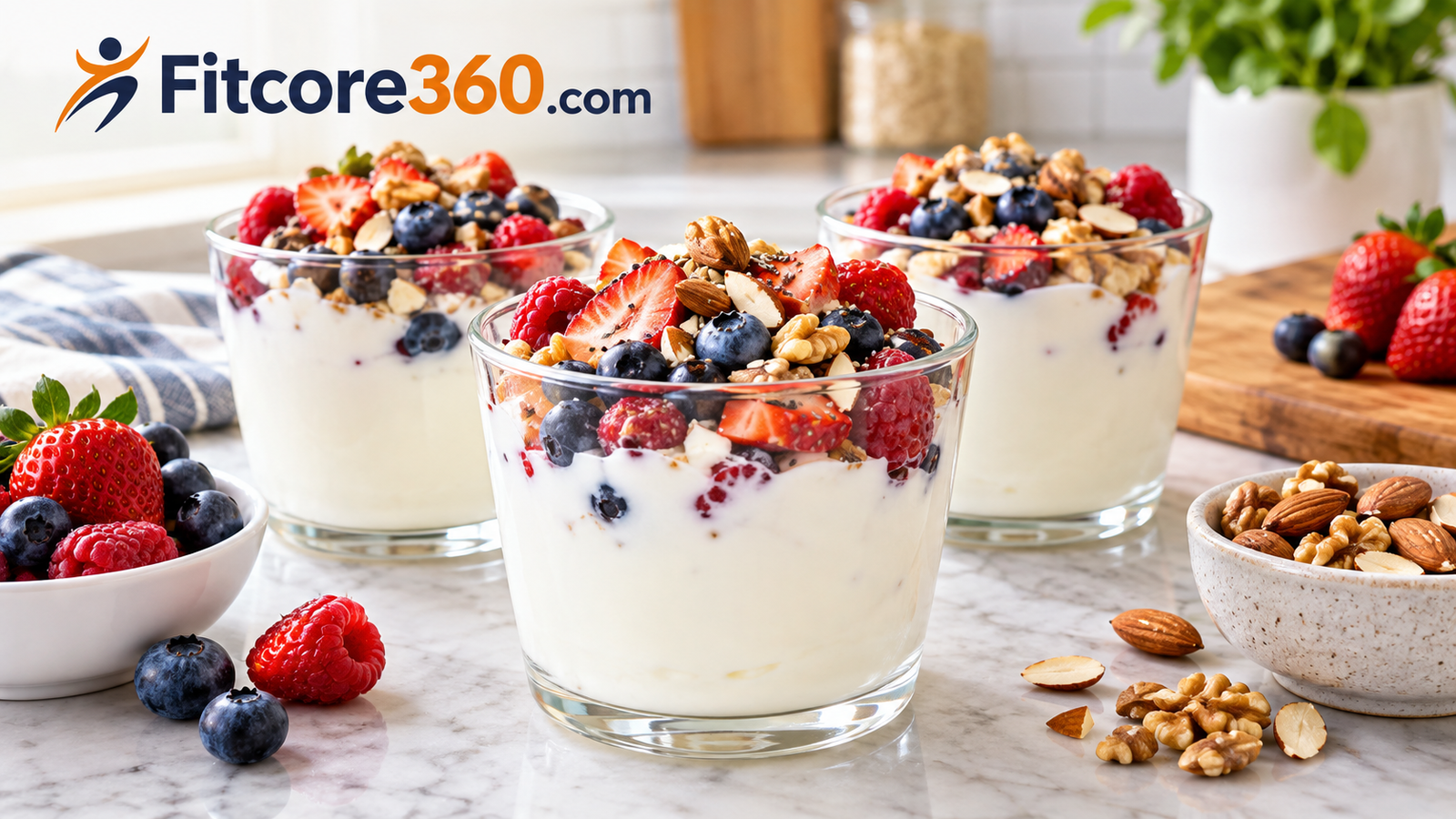
Start with a plain, high-protein base and add three things: something fruity, something crunchy, and something with healthy fat. Berries, a sprinkle of nuts or seeds, and a dash of cinnamon form a dependable formula. Keep the crunchy portion modest, because granola in particular can quietly double the calories of the whole bowl.
Use it as a swap
Plain yogurt replaces sour cream, mayonnaise, and cream in many recipes. Use it in salad dressings, creamy pasta sauces, baked potatoes, and tacos. Those swaps often save more calories than anything you do at breakfast, and nobody at the table will notice.
Blend it into smoothies
A scoop of yogurt makes a smoothie creamier and boosts the protein. Combine it with frozen fruit and a handful of spinach for a quick meal. If you are lifting or training, this is a convenient way to meet your protein target on a busy day.
Make a savory bowl
Skip the sweet routine and try yogurt with cucumber, olive oil, lemon, herbs, and a pinch of salt. It works as a light lunch with whole-grain bread or as a side for grilled meats and vegetables. Savory options avoid the sugar creep that sweet toppings can introduce.
Plan for timing
Many people like yogurt at breakfast, but it also works well as an evening snack. A small cup of plain yogurt with berries can calm a late-night craving without wrecking your day. If you train, a post-workout cup supplies protein and fluids when your body is ready to use them.
Pair it with movement
Food does most of the heavy lifting for weight loss, but consistent activity makes the whole process smoother and helps protect muscle. Short, intense sessions like a 20-minute battle rope HIIT workout are efficient when time is tight, and steady options such as a rowing machine or an elliptical at home are gentle on the joints. If you are planning a dedicated space, our home gym setup guide and the roundup of best all-in-one home gyms are good places to start, and a good home gym floor protects both your joints and your house.
A sample day
| Meal | Idea |
|---|---|
| Breakfast | Plain skyr with berries, cinnamon, and a few chopped nuts |
| Lunch | Chicken salad made with plain yogurt instead of mayo |
| Snack | Low-sugar vanilla cup with a handful of raspberries |
| Dinner | Grilled fish or chicken with a cucumber-yogurt sauce |
| Evening | Small cup of plain yogurt with a drizzle of honey if needed |
Meal prep ideas that save time
Preparation is what separates good intentions from real results. On a Sunday, portion a large tub of plain yogurt into four or five jars and add your toppings in separate small containers so nothing gets soggy. Overnight oats made with yogurt, rolled oats, chia seeds, and milk keep well for several days and can be topped with fresh fruit in the morning. Frozen yogurt bites, made by dropping spoonfuls onto a lined tray with a berry on top, offer a cold snack that is easy to portion.
For savory meals, mix a batch of garlic-herb yogurt sauce and keep it in the fridge to spoon over roasted vegetables, grain bowls, and grilled chicken. A jar of that sauce can turn a plain dinner into something you actually look forward to, which is surprisingly important when you are trying to eat lighter. And if you find yourself skipping breakfast on rushed mornings, a ready-to-grab cup with a banana is far better than a pastry from the drive-through.
Stock your fridge for the week
Keep a high-protein plain cup on hand and build your bowls from there.
Check Price on AmazonFinal Verdict: Which Yogurt Should You Buy?
There is no single winner for everyone, but there is a clear pattern. For most people trying to lose weight, a plain, high-protein cup is the smartest foundation. Siggi’s Plain Icelandic Skyr is a dependable all-rounder. Oikos Pro is the pick when you want the most protein for the fewest calories. Icelandic Provisions is the creamy, satisfying choice if you have a little calorie room. Two Good handles sweet cravings with very little sugar, Wallaby is a flexible organic base, and Activia Fiber is a convenient option when fiber is the missing piece.
If you enjoy the kitchen and want to control every ingredient, starting with Yogourmet or a Cultures for Health culture and a Euro Cuisine maker can save money and give you the plainest base possible. Whatever you choose, read the label, keep an eye on added sugar, and build your bowls with real ingredients. Consistency beats perfection, and a yogurt you actually enjoy is the one that will help you stay on track.
Our top all-around pick
Siggi’s plain skyr: high protein, low sugar, and easy to love.
Check Price on AmazonFrequently Asked Questions
What is the best yogurt for weight loss?
The best choice is usually a plain, high-protein, low-sugar yogurt such as skyr or a strained high-protein cup. These keep you full for longer and let you control sweetness with your own toppings.
Is Greek yogurt or skyr better for weight loss?
Both can work well. Skyr is often a little thicker and milder, while Greek yogurt tends to be tangier. Compare protein and sugar on the label rather than relying on the name, since formulas differ between brands.
How much protein should a weight loss yogurt have?
A useful target is 12 to 15 grams or more per serving. Higher is generally better for fullness, as long as calories and sugar stay in check.
Is nonfat or whole-milk yogurt better for losing weight?
Nonfat saves calories, while whole-milk versions can feel more satisfying. Neither is automatically better. Choose the one you will stick with, and balance the rest of your daily calories accordingly.
Can I eat yogurt every day while trying to lose weight?
For most people, yes. A daily serving of plain yogurt fits comfortably into a balanced diet. Variety still matters, so pair it with vegetables, whole grains, and other protein sources.
Is flavored yogurt bad for weight loss?
Not always, but many flavored cups contain a lot of added sugar. Look for low-sugar options, or flavor plain yogurt yourself with fruit, cinnamon, or vanilla extract.
What is the best time of day to eat yogurt?
There is no magic hour. Breakfast is popular because protein helps you feel full, but yogurt also works as a snack, a post-workout option, or a light evening treat.
Do probiotics in yogurt help you lose weight?
Research is still developing and results are mixed, so probiotics should not be treated as a weight loss shortcut. They may support digestive comfort for some people. Look for live and active cultures on the label if that matters to you.
Are artificial sweeteners in yogurt okay?
They are generally considered safe in normal amounts, but some people dislike the taste or experience digestive discomfort. If you are unsure, try a single cup before buying in bulk.
Can I make weight loss yogurt at home?
Yes. With a starter culture and a yogurt maker, you can make plain yogurt with no added sugar. Straining it makes it thicker and increases protein density per spoonful.
What is the best dairy-free yogurt for weight loss?
Unsweetened soy-based yogurts usually offer the most protein among plant options. Always check the label, because many plant yogurts are low in protein and some contain added sugar.
Should I choose single-serve cups or a large tub?
Single-serve cups make portion control easy, while tubs are cheaper per ounce. If you tend to over-serve yourself, cups are the safer choice. If you measure portions, a tub can save money.
Disclosure: some links in this article are affiliate links. If you buy through them, we may earn a small commission at no extra cost to you. Nutrition information is approximate and for general education only; check product labels and talk with a qualified professional about your personal needs. Explore more guides at FitCore360.